

BMag Signal · In 30 seconds
Critical readWhat happened. The Hong Kong authorities have stated that they will not modify their policies for attracting talent or limit the number of graduates from outside the city who can find work in the city. This decision has occurred as the city's labor force is rapidly increasing and there is a shortage of labor in key industries.
The city continues to seek talent but cannot find job opportunities for local graduates. The government has declared that it does not intend to change its policies for attracting talent or limit the number of graduates from outside the city who can find work in the city. This decision has occurred as the city's labor force is rapidly increasing and there is a shortage of labor in key industries.
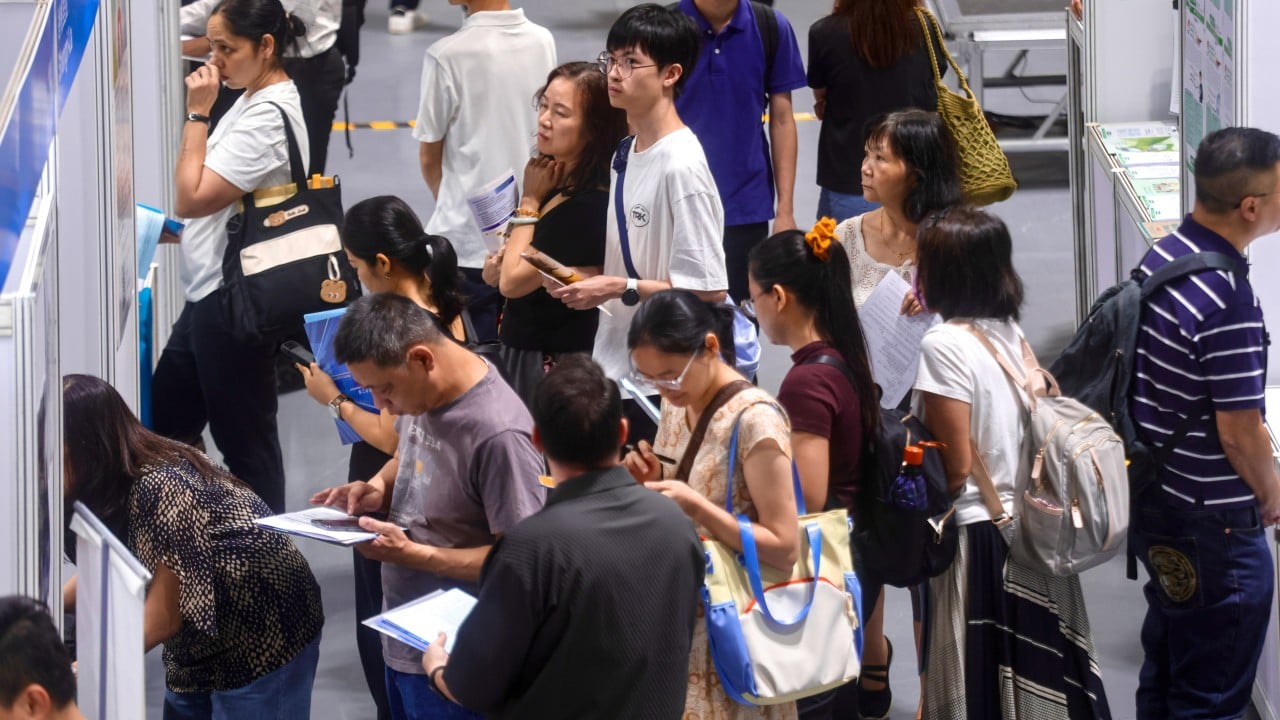
However, representatives of labor unions have pointed out that local university students find it difficult to find work, particularly those without an innovation and technology (I&T) education, and are faced with great competition even from local residents and non-residents. The secretary for Action and Welfare of the government, Chris Sun Yuk-han, told Parliament that the 'talent trawl' policy was guided by the growth of 2018 and the aging demographic that reduced the labor force. He argued that Hong Kong still needed to import talent. 'Of course, we understand that these projects have room for improvement, and we keep an eye on them... but now we do not see that drastic changes are necessary,' he added.
When the government launched a large-scale campaign to 'trawl for talent', starting from John Lee Ka-chiu in 2022, Hong Kong was facing an escape to the outside world, restrictions due to the pandemic, and an aging demographic that was increasing. Authorities introduced new access routes and reformed old procedures, including the creation of the Talent Superpass, which allowed individuals to obtain a visa without having a job contract in the city. More than 32,000 talents had arrived in Hong Kong through its talent admission policies.
Sun supported that local students enjoyed a natural advantage when seeking jobs and remained the core of the city's labor force. A representative of the Hong Kong Federation of Trade Unions (FTU), Lam Wai-kong, asked if the government had plans or strategic schemes to limit the importation of talent or prevent an over-importation that could harm the priority of the local emergency situation. Another FTU representative, Bill Tang Ka-piu, said that around 25,000 graduates from outside the city came to Hong Kong to study and settled down to find work under the Program for Arrangements for Graduate Non-Local Immigrants (IANG).
This number of graduates has created problems for their local counterparts, particularly those without an I&T education, added Tang. 'These 25,000 graduates from outside the city do not all have an innovation and technology (I&T) education, and it will be even more difficult for local students to find job opportunities,' he asked, interrogating the authorities on whether there would be a limitation on the procedure. The decision by Hong Kong to not modify its talent attraction policies was seen as a problem by representatives, but also by anyone interested in maintaining their position. The persistent problem is due to the increasing demographic aging and the shortage of labor in key industries, making it difficult to find work for local students.
The news that matters, every morning.
Ricevi una selezione ragionata di business, mercati e innovazione.
