

BMag Signal · En 30 secondes
Lecture critiqueCe qui s’est passé. European companies are undergoing a significant transformation in the automotive industry, aiming to improve their production and management procedures. This process is based on a concept known as 'advanced manufacturing' or 'smart manufacturing'.
The software technology is changing the automotive industry. The advanced manufacturing aims to reduce errors in production and increase productivity. To achieve this goal, companies are using software to monitor and control every stage of production.
This software interacts with design and inspection, making the management of factories more flexible and facilitating the updating of products. An example of this innovation is represented by DSA, a German company specializing in software and automation. With its headquarters in many Italian regions, DSA has invested over 10 million euros to develop a center of excellence for design and production services for international clients.
This impact on industrial transformation is due to its ability to integrate hardware and software, allowing companies to create a more efficient and competitive production system. According to the report 'Under Pressure: Europe, Italy and Germany in a Weaponized Global Economy', presented at the 20th Forum Economico Italo-Tedesco, Italy and Germany generate together 40% of the EU's industrial production. On 270 strategic products analyzed, they represent 18% of global exports in advanced machinery and robotics, and 28% in electric mobility and transportation technologies.
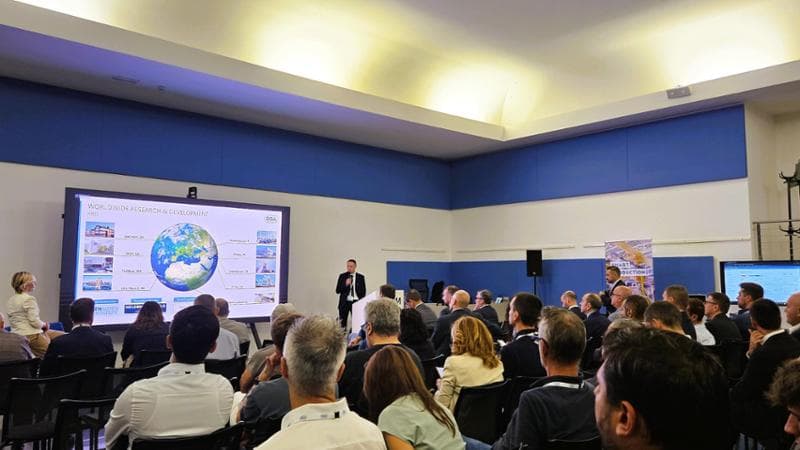
In this context, the DSA Group's path is aimed at becoming a center of excellence for design and production services for international clients, valorizing local engineering skills and local supply chains. The acquisition of Sixtau, which occurred in October, constitutes a step in this strategy, oriented towards integrating hardware and software capabilities. Thomas Huth, CEO DSA Group, presents DSA Italia, where the goal is to develop a center of excellence for design and production services for international clients in Piemonte and Emilia-Romagna, valorizing local engineering skills and local supply chains.
Andrea Sanguedolce, CEO DSA Italia, during the presentation of the DSA Tech Day 2026, highlighted that advanced manufacturing is not only a technological but also an industrial challenge: innovating products means also rethinking how they are built. This impact on industrial transformation is due to its ability to integrate hardware and software, allowing companies to create a more efficient and competitive production system.
Les informations qui comptent, chaque matin.
Ricevi una selezione ragionata di business, mercati e innovazione.
