
Featured
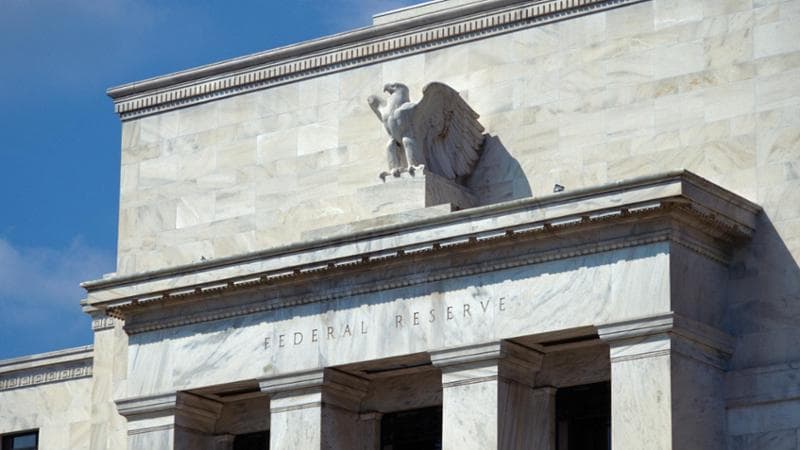
Central Banks: A Trade-off Between Inflation and Growth
Global financial institutions face a complex strategic dilemma that could determine the future of markets.
Leggi l’analisiAnalisi, notizie e prospettive per capire ciò che conta.
Global financial institutions face a complex strategic dilemma that could determine the future of markets.
Leggi l’analisi
Stripe announces the acquisition of OpenRouter, consolidating its position as the global leader in AI infrastructure. The deal, valued at approximately $7.5 billion, marks a pivotal moment for the fintech sector, positioning Stripe as the primary global builder of AI infrastructure. This is one of the largest tech acquisitions in recent years, with profound implications for the AI model market. OpenRouter distinguishes itself through the use of 'open-weight' models derived from Chinese labs like DeepSeek and Z.ai, offering non-proprietary, free AI models that are more cost-efficient than proprietary models from companies like OpenAI or Anthropic. Stripe's decision is based on the need to optimize token costs and manage the rapid release and re-pricing of models. Managing AI costs is difficult due to the speed of model releases and re-pricing, creating unprecedented release and re-pricing cycles. Stripe has already solidified its position as the world's most valuable startup with a valuation near $160 billion, thanks to its ubiquitous payment technology. The acquisition of OpenRouter integrates open-weight models directly into Stripe's payment ecosystem. The company aims to help businesses maximize profitability through intelligent request routing and efficient token usage. OpenRouter confirms that the combination with Stripe will support its vision of a healthy AI ecosystem where many models thrive and AI diversity is a competitive advantage. The strategy aims to allow a model provider or inference lab with a breakthrough to reach millions of developers without any single model becoming the default by inertia. OpenRouter has become popular with developers seeking to use AI models, particularly those considered non-proprietary and available for free. The rapid growth of the AI sector and its expanding size make the acquisition of OpenRouter a strategic choice for Stripe. The source also cites a Wall Street Journal report regarding negotiations between Stripe and Advent to acquire PayPal, suggesting a competitive and rapidly growing context in the sector. Expected developments include increased competition among AI model providers and greater standardization of token costs for businesses. Stripe's corporate governance will likely be the first time scrutinized so directly, with CEO Patrick Collison publicly expressing his support. Stripe's financial strategy is evolving to include not only traditional payments but also critical infrastructure for widespread AI adoption in global markets.
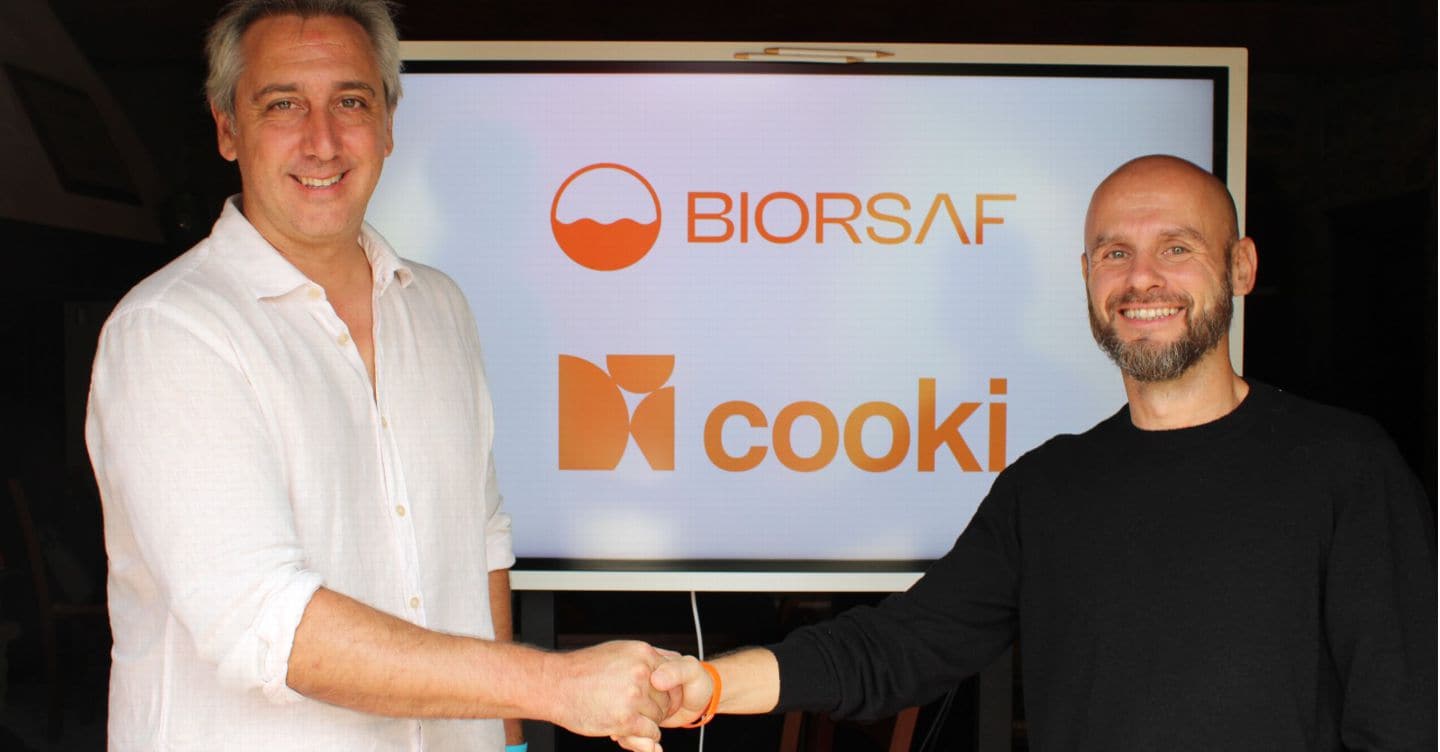
Startup founded by Marco Papalini in 2021 acquires $5.2 million for rapid expansion.

Nvidia has issued a ban on providing hardware support for Chinese open AI models like DeepSeek and Qwen, marking a new front in the global trade war. This strategic move aims to maintain its monopoly on advanced chips, driven by legal and political concerns highlighted by the SEC. The company warns that limiting support for Chinese models could have a material impact on its business, especially as tensions between Washington and Beijing intensify since 2026.

Political tension rises as President Trump warns against anti-data center movements, linking them to future local impoverishment.

An economist has calculated that a home buyer in Auckland could benefit from over $700,000 over 30 years, while a tenant could accumulate $2.83 million in investments.

OpenAI has confirmed that the business enterprise now represents the majority of revenue, surpassing the consumer sector led by ChatGPT.

New commercial tariffs have radically altered the daily lives of millions of Canadian citizens.
MapQuest has reached the first position on the list of most downloaded applications in the United States, surpassing Google Maps and Apple Maps, after refusing to change the name of Lake Ontario.

Founded by Alessio Biancheri and Sergei Filatov in Tallinn in March 2026, Ignostiq represents a crucial case study for the European ecosystem, positioning itself as a technological hub that has already seen the success of Skype, Wise, and Bolt.

Scotland's tourism is experiencing a strong recovery, with a 15% increase in flights to the islands, contrasting against general sector stagnation.

The European Central Bank is considering a second rate hike to combat a new wave of inflation driven by the war in Iran.

Vulcanic eruptions have blocked air traffic, causing daily losses of $1.1 million for airlines.