
BMag Signal · In 30 seconds
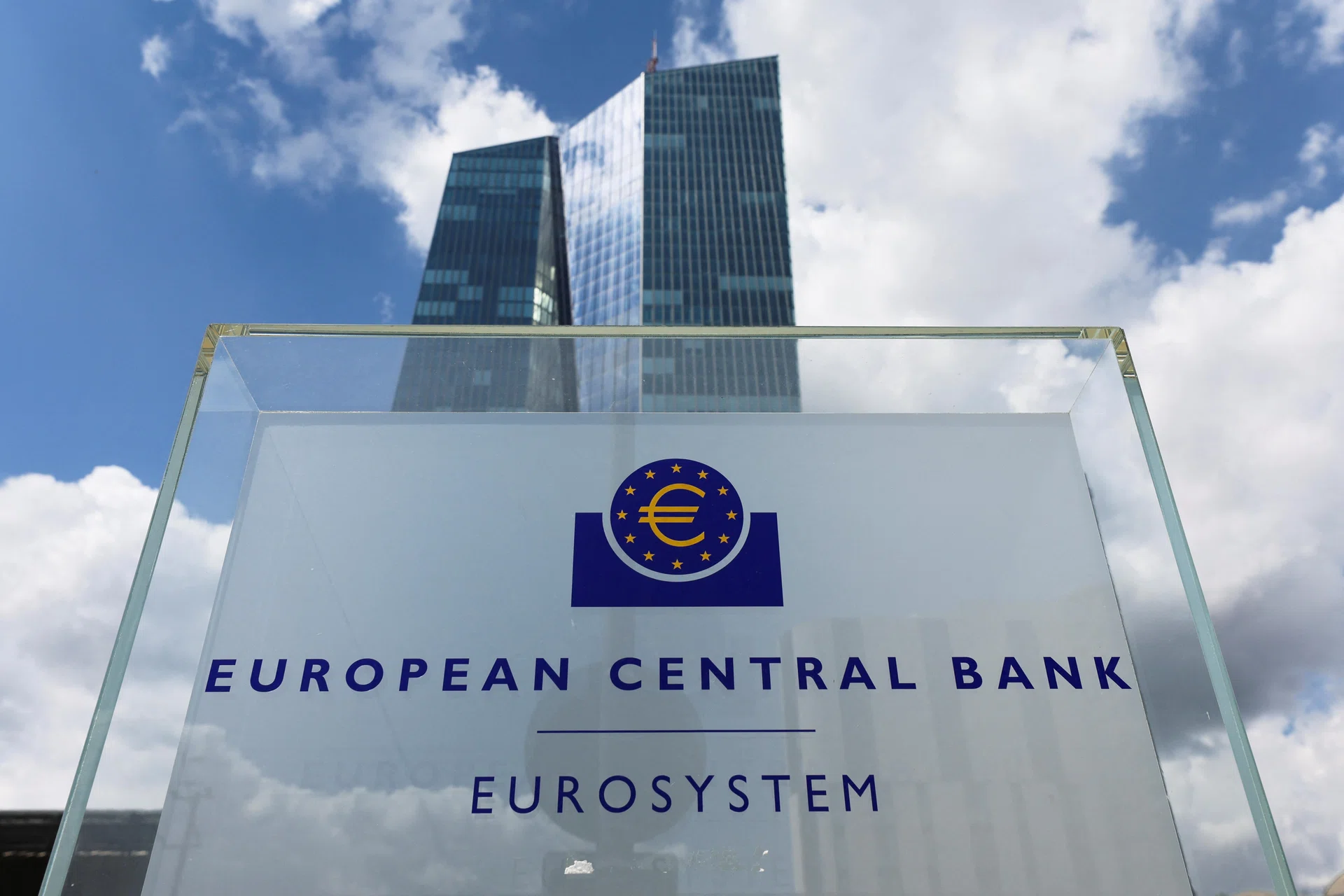
Critical readWhat happened. The European Central Bank is considering a second rate hike to combat a new wave of inflation driven by the war in Iran.
Europe is preparing for a second interest rate increase to defend purchasing power. This decision was announced on Thursday with the specific goal of stopping a wave of prices for fuels that has hit the eurozone economy. According to September 10 data, fuel expenses have reached historic levels, with the price of Brent oil hitting $100 per barrel.
This pressure has made it difficult for European companies to maintain stable prices, forcing them to recalculate production and distribution costs. Sources indicate that military tensions between Iran and the United States have destroyed the relative calm of August, damaging strategic assets like oil tankers and energy infrastructure. This conflict has reignited global concerns over prices, pushing markets to consider inflation as a primary risk factor for economic stability.
According to Amundi Investment Institute, inflation remains elevated and tends to remain glued for the coming months before beginning to decline towards the second half of the year. President Lagarde and her colleagues seem to find comfort in recent growth data, but the risk of a second increase is considered very probable. Financial markets are already anticipating a second or third rate hike by the end of the year, with financing conditions becoming increasingly tight.
Long-term rates on bonds are reaching unprecedented highs, reflecting concerns over inflation and public debt. The competition for capital is increasing, with tech companies selling massive amounts of shares to finance the artificial intelligence boom. This aggressive flow of money, combined with political turbulence in Germany, has further increased pressure on bond yields, making it harder for European companies to obtain cheap loans.
The ECB is also considering raising growth projections for this year and perhaps for 2027, reflecting the economy's ability to resist. However, the bank may delay its return to its inflation target of 2%, which now exceeds 3%. This discrepancy between growth and inflation suggests that monetary policy will need to be more aggressive to correct expectations.
Last June's data had predicted an increase in inflation for the following summer, but the recent peak in fuel prices has shifted the focus towards the end of the year. The ECB seems ready to maintain a posture of waiting and vigilance, leaving the door open for further increases if the situation does not improve. European companies will now have to prepare for an increasingly costly and uncertain energy environment.
The news that matters, every morning.
Ricevi una selezione ragionata di business, mercati e innovazione.