
BMag Signal · In 30 seconds
Critical readWhat happened. Vulcanic eruptions have blocked air traffic, causing daily losses of $1.1 million for airlines.
Airlines are suffering a daily loss of $1.1 million due to the closure of major airports. According to the Indonesia National Air Carriers Association (Inaca), airlines face losses of up to $1.1 million per day, or 19 billion rupiah, due to the forced closure of major airports. This estimate includes lost ticket revenue and higher operational costs from increased fuel, aircraft parking, and personnel expenses.
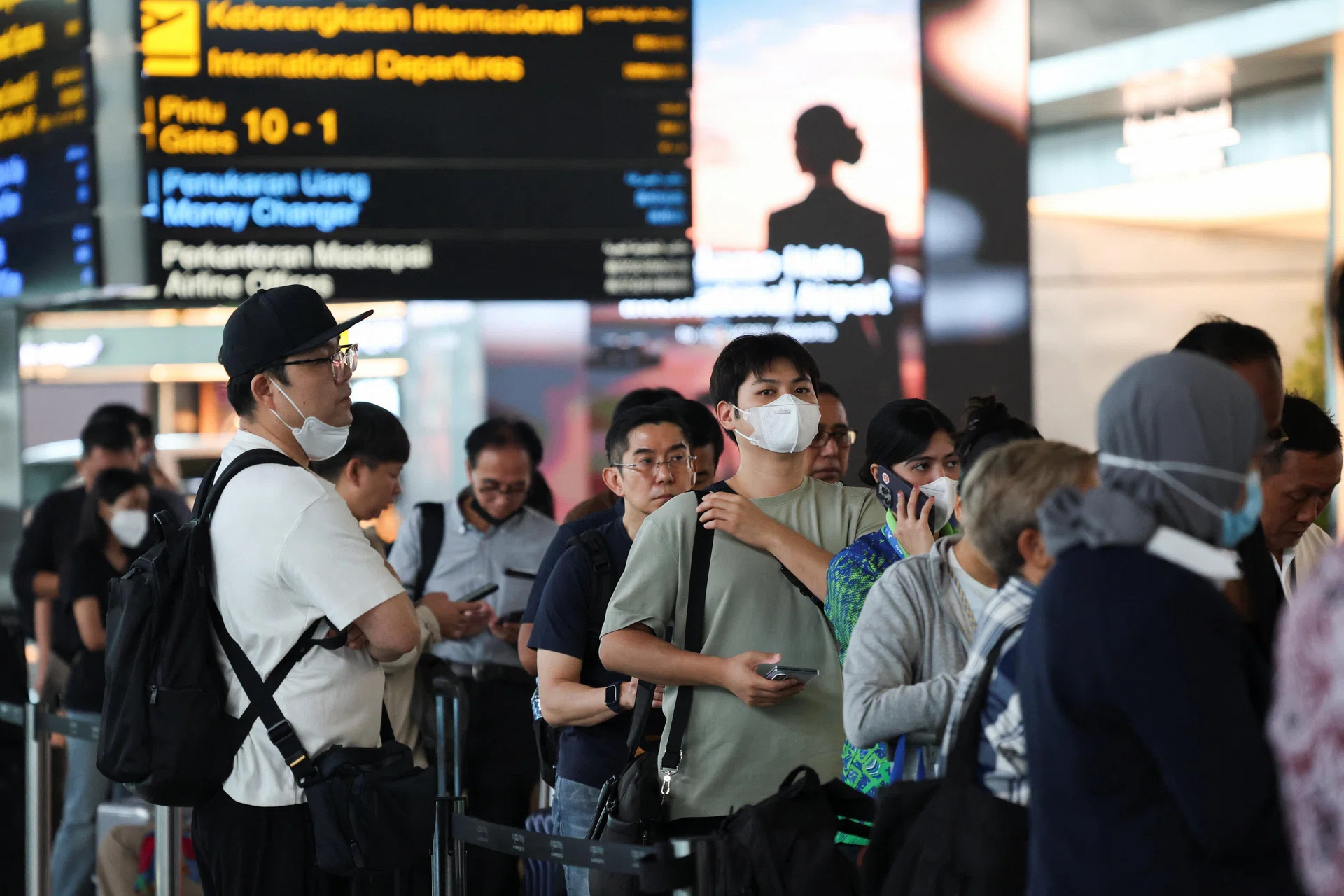
Inaca's General Secretary, Bayu Sutanto, stated that if the disruption lasted seven days, potential losses could reach between 70 billion and 130 billion rupiah. This impact focuses on two vital corridors: traffic towards Jakarta and traffic towards Lampung, which serves as a strategic bridge to Indonesia. On September 7, the eruption forced the closure of seven airports across the country, including Soekarno-Hatta in Jakarta, Halim Perdanakusuma, and those in Lampung and West Java.
The concentration of air traffic in Jakarta makes the disruption significant for international investors and travelers, who rely heavily on the connectivity of this capital. The Jakarta-Singapore route is one of the world's busiest international air routes, with 31 flights daily and approximately 4.6 million seats scheduled last year. Soekarno-Hatta has handled 25.9 million passengers and 177,724 aircraft movements in the first half of the year.
About 40% of international flights concentrate in the capital, connecting Jakarta to major cities in Asia, Europe, and the United States. This concentration means that a closure in the capital's main hub can quickly spread through the entire national air network. The closure adds new pressure on airlines already facing tight cash flows and rising fuel costs, potentially putting their financial health under strain.
Gerry Soejatman, an independent aviation analyst based in Jakarta, observed that the Indonesian aviation industry is facing a difficult recovery in 2026, making these closures even more burdensome for airline performance. Indonesia has set internal prices to protect consumers, but this policy creates a trade-off for airlines: while keeping prices accessible for passengers, airlines must balance costs. The current disruption, combined with these constraints, risks further aggravating pressure on the financial balances of Indonesian airlines.
The news that matters, every morning.
Ricevi una selezione ragionata di business, mercati e innovazione.