
BMag Signal · In 30 seconds
Critical readWhat happened. Global financial institutions face a complex strategic dilemma that could determine the future of markets.
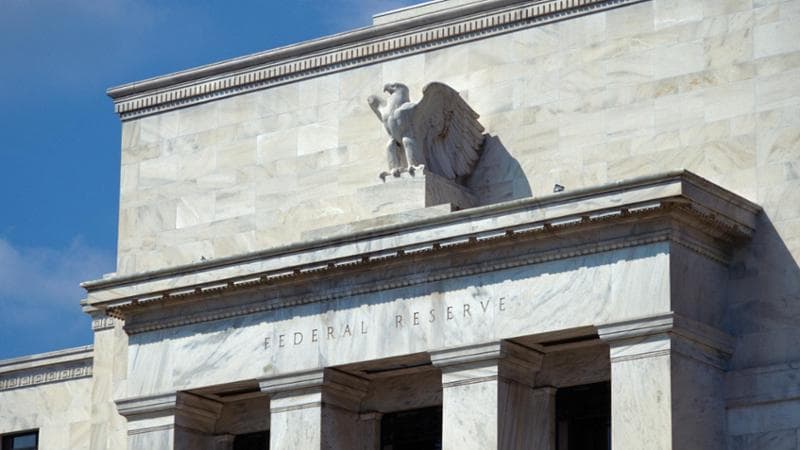
The Federal Reserve and the European Central Bank are moving on divergent paths for 2026. The global economic situation is characterized by strong uncertainty, with Russia's invasion of Ukraine in 2022 creating instability that has pushed central banks to swift action. According to Reuters, the primary objective remains inflation control, which remains sticky since geopolitical tensions have altered price stability.
Major global central banks have different capabilities to combat inflation, as interest rate hikes could compromise growth. The Fed, the ECB, the Bank of England, and the Bank of Japan each face their own dilemmas, with a trade-off between price stability and the health of the real economy. The annual symposium hosted by the Federal Reserve at Jackson Hole has shown the growing divergence in how central banks worldwide believe they are facing inflation and economic growth.
Fed President Kevin Warsh adopted aggressive tones, fueling expectations of rising rates, but highlighting a difference compared to his counterparts in Europe. The neutral interest rate range is higher in the UK and lower in Japan, creating a heterogeneous picture in major economies. According to available data, the Fed calculates a higher neutral rate compared to the ECB, which uses a more restrictive approach to contain inflation in Europe.
The implications for businesses are profound, as financing costs increase for companies that must charge interest rates to their customers. This reduces investment capacity and can slow productivity, creating a less favorable business environment for technology and manufacturing sectors. Long-term bond yields have already reached new cyclical highs, threatening financial market stability.
According to Reuters, rising financing costs slow public and private spending, easing price pressures but also slowing economic growth. Investors must now carefully evaluate investment strategies, considering that the divergence between central banks could lead to volatility in markets. The company stated that rising rate expectations could negatively affect long-term bond yields, creating uncertainty for long-term investments.
The news that matters, every morning.
Ricevi una selezione ragionata di business, mercati e innovazione.