

BMag Signal · In 30 seconds
Critical readWhat happened. The tensions in the field of self-transshipment have become so great that enterprises are threatening to suspend the national network if they do not receive certain and immediate answers from the government. This crisis is due to the dear gasoline, which has caused chaos in urban mobility and has extended protests even to Puglia, Calabria, and Sicily regions.
The dear fuel has led to the end of a way of life. The automobile era has entered a new era of conflict. The streets are fully occupied by protesters, while cars find themselves blocked at gas station distributors.
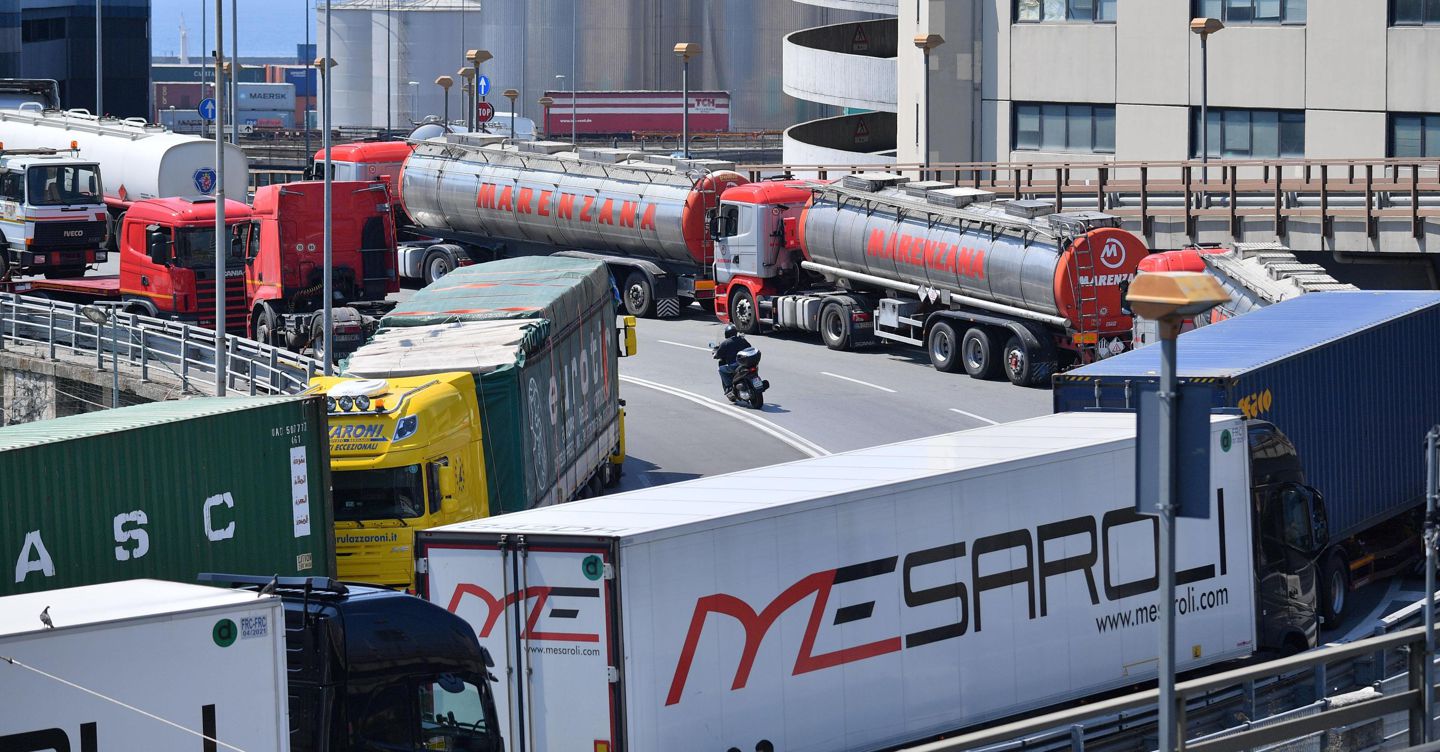
This problem is not just an incident but an indicator of an economic crisis that is about to hit many industries. An act of protest against the dear fuel has taken place in the provinces of Cosenza and Foggia, where farmers and transporters decided to stop their activity to denounce the governments' inability to solve the problem. Confagricoltura Bari-BAT has sounded the alarm for the dramatic situation in the logistics sector, which has seen the total paralysis of goods movement.
Fresh and deteriorated products have been hostages of roadblocks and watchtowers, putting the economic survival of agricultural and agro-food enterprises at risk. Unatras, the national association of cargo transporters' unions, has threatened a nationwide suspension if the government does not provide certain and immediate answers. This appeal to protest is a sign of profound frustration and dehydration, which highlight the lack of concrete solutions and immediately reachable solutions.
The situation is so grave that enterprises are considering joining protests, creating a real chaos in daily life. This scenario could lead to a series of negative consequences, such as the complete paralysis of logistics and the national economic system. The dear gasoline has become an essential element in the daily life of many Italians, but also a factor of tension and conflict.
The protesters and demonstrators have transformed into an alternative way of life, showing the low tolerance towards the problem that affects many Italian regions. In conclusion, this gas crisis is an indicator of a broader and deeper crisis. Enterprises and cargo transporters are looking for a solution to the problem, but the government seems far from its responsibility.
What is important is that urgent decisions must be taken to resolve this problem before it is too late.
The news that matters, every morning.
Ricevi una selezione ragionata di business, mercati e innovazione.
