

BMag Signal · In 30 seconds
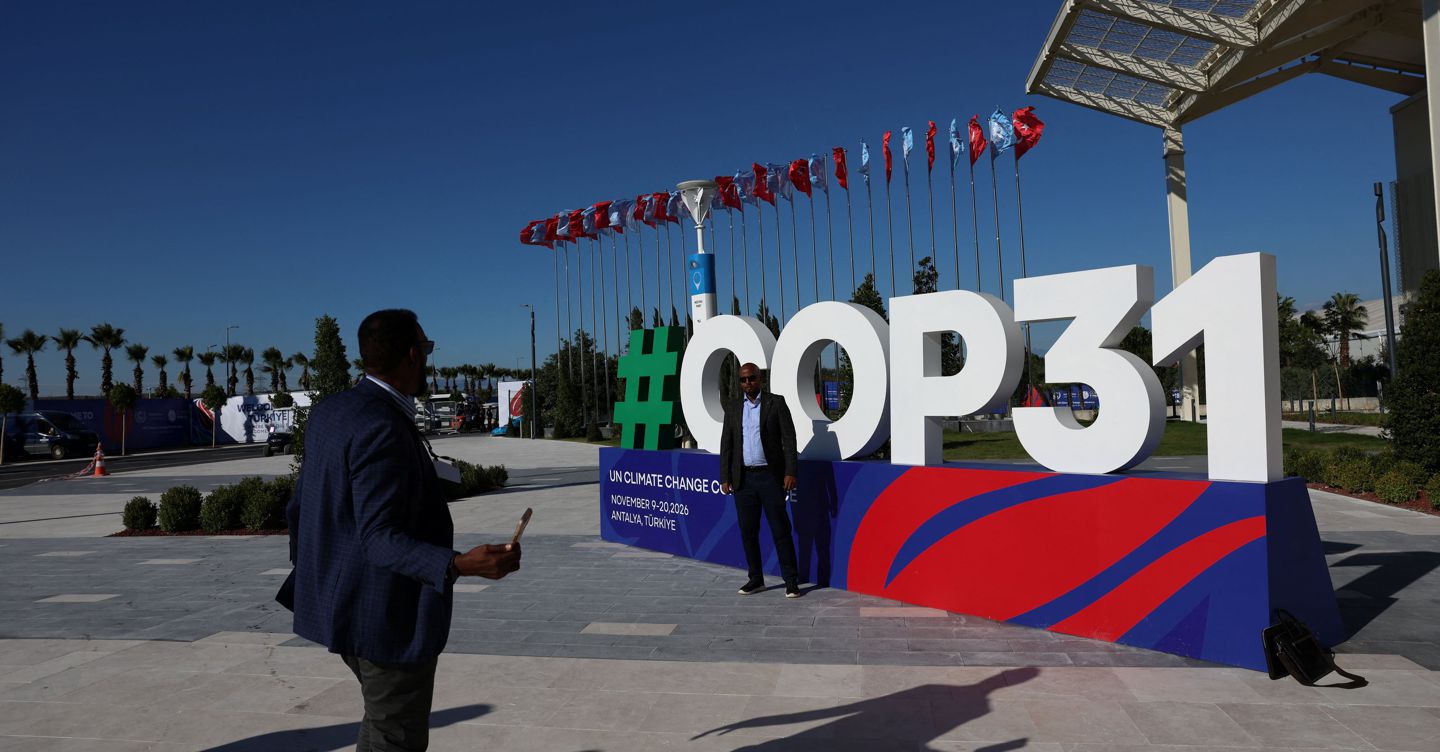
Critical readWhat happened. The COP31, the global climate conference taking place in Antalya in November, focuses on electrification. At least until recently, Italy was considered a leader in the transition to electricity, with its energy primarily produced from renewable sources. But recent statistics show that Italy is still far from achieving its goal of reaching 35% of electricity consumption by mid-2035. This delay could be due to a lack of addressing other environmental issues.
The country is moving towards an energy transition, but there is still no will to confront the most pressing issues. Additionally, electricity continues to represent only 22.7% of final energy consumption in Italy, while photovoltaic has surpassed hydropower for the first time in 2025. This data shows that Italy still needs much to learn about converting to electricity, even though it supported Poland in accelerating the shift toward renewable energies. In the electric sector, Italy remains far from achieving total emissions reduction. According to an analysis by Italy for Climate on data from Ispra and Mase, Italian emissions have decreased from 521 million tons of equivalent carbon dioxide between 1990 and 2025.
This achievement is largely due to progress in electrifying Italy's economy. Recent news on developments in transportation shows that Italy still falls short of European standards. Only 2% of transport consumption are electric, while the EU has reached 22.7%. This shift towards electricity hasn't been enough to change driving behavior with battery-powered cars, which have increased by only 67% over the past nine months of 2026, but it remains 8% of the Italian market compared to 22.7% of the EU. In terms of buildings, Italy continues to lag behind other European countries. The demand for electricity grows rapidly, but electricity cannot yet cover more than 22.7% of final energy consumption.
This issue also reflects in Italy's buildings, which still heavily depend on fossil energy sources with a natural gas demand exceeding electricity consumption. Finally, electricity is not the only way to address environmental problems. Italy should focus on three of its most pressing challenges: global warming, increasing energy demand for transportation and industrial processes, and emissions from sectors that are considered critical such as transport and industry. To achieve these goals, Italy will need significant improvements in terms of converting to electricity, but it must also confront the most urgent issues facing contemporary society.
The news that matters, every morning.
Ricevi una selezione ragionata di business, mercati e innovazione.
