

BMag Signal · In 30 seconds
Critical readWhat happened. Despite the Middle East's strong demand, Chinese vehicle exports are expected to significantly slow down in 2027. According to the Association of Passenger Cars (PCA), export growth will be moderate from what it saw in 2026 to 2027. This slowdown is attributed to the main markets that have introduced taxes or import quotas to protect local industries.
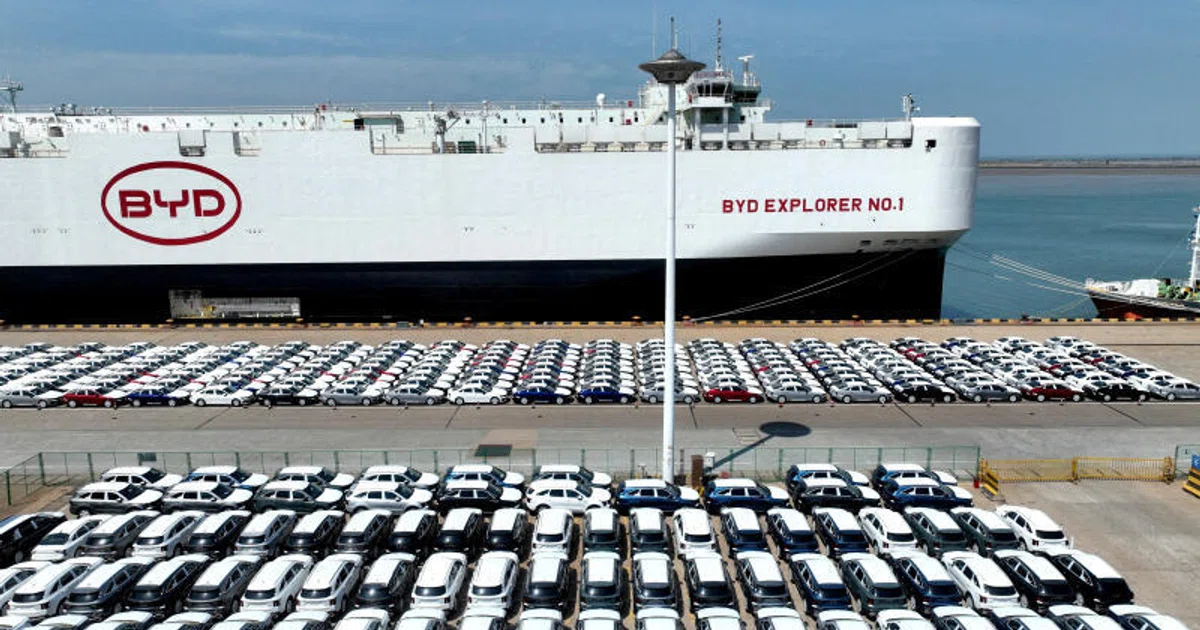
Chinese cars face slower export growth The explosion of China's vehicle exports in 2026 was driven by strong demand from the Middle East, where imports had increased by 75% in the first ten months of the year. However, this growth has slowed as countries such as the EU, Thailand, and Brazil introduce taxes or import quotas to limit the flow of exports from China. The PCA's general secretary, Cui Dongshu, emphasized that this slowdown is due to these measures.
In response to possible export disruptions, Chinese cars face further external adjustments. The authorities of the EU, Thailand, and Brazil have introduced taxes or import quotas to limit the flow of products from China. However, the robust demand for electric and hybrid vehicles continues, with their sector representing 67% of new vehicle sales in September.
Despite continued growth in electric and hybrid vehicles, the share of sales continues to increase, indicating that the market still shows resilience. This slowdown in exports could potentially strengthen the protection created by Chinese car owners, who are facing a decline in domestic fuel consumption. The global context of commercial tensions can be interestingly seen how Chinese car owners adapt to changing conditions and maintain their competitive position in the global automotive industry.
However, even if there is expected a decrease in exports, the demand for electric and hybrid vehicles continues to grow at an impressive rate, with deliveries increasing by 168% in the first ten months of 2026, reaching 1.77 million units. In China, passenger car deliveries plummeted by 27% in September, but the demand for electric and hybrid vehicles remained resilient, occupying 67% of new vehicle sales in September. Global conditions present a complex geopolitical framework, it will be interesting to see how Chinese car owners adapt to changing conditions and maintain their competitive position in the large global automotive industry.
The news that matters, every morning.
Ricevi una selezione ragionata di business, mercati e innovazione.
