

BMag Signal · In 30 seconds
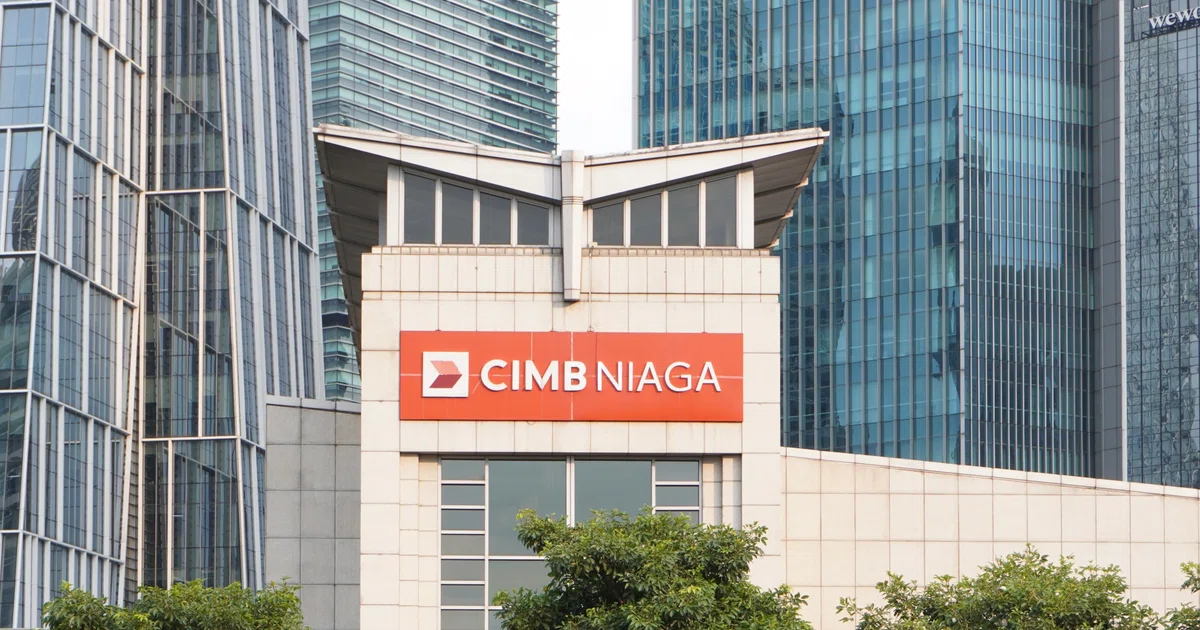
Critical readWhat happened. La CIMB Group, la seconda banca di Malaysia in termini di asset, è in discussione con lo scopo di trasformare la propria ala indonesiana, la CIMB Niaga, in una società privata. Questo movimento si è verificato in connessione con le condizioni di mercato difficili e ha avuto come conseguenza l'analisi di un potenziale acquisto di 196 milioni di dollari americani.
Changes in Indonesia's monetary and financial policies have made it difficult for a possible secondary offering of shares by CIMB Negeri. The CIMB Group, which is the second-largest bank in terms of assets in Malaysia, is discussing the transformation of its Indonesian arm, CIMB Negeri, into a private company. This move has occurred amid challenging market conditions and has led to an analysis of a potential $196 million acquisition.
Analyses have been conducted with the aim of adapting to changes in Indonesia's requirements for free capital flow, which are increasing restrictions on capital mobility in response to concerns about opaque ownership systems and market stability banks. The CIMB Private Equity Privatization Plan was presented by Khairul Rifaie, head of financial counsel for CIMB Group, during a closed meeting with investors. Analyst Kelvin Ong highlighted that CIMB Niaga has three options: selling part of its shares to an investment strategic partner at a reasonable price, launching a new public offering of instruction or approaching a privatization that could lead to delisting.
CIMB Securities, part of the CIMB Group, has expressed the same opinion regarding an initial public offering being less feasible under difficult market conditions. With a total asset value of 38 trillion ringgit ($21 billion) as of June, CIMB Negeri's assets account for 91.4% of its capital base.
The CIMB group has planned to use these tools to improve its strategy for Indonesia, especially through massification, mass-affluent, small and medium-sized enterprises, and Sharia. The CIMB Group also anticipated that it might be necessary to reclassify MSCI from emerging markets to independent markets, which could make it more difficult to meet the expected requirements of free float. However, Khairul Rifaie's analysis suggested that privatisation should not mean acquiring all minorities but may provide a better structure of ownership and facilitate the realization of its strategies for Indonesia over time, particularly in areas of wealth, mass-affluent, small and medium-sized enterprises, and Sharia. The changes in Indonesia's free-float requirements and difficult monetary policies have made it harder to achieve the expected results.
The adaptation of a possible secondary offering for CIMB Negeri is difficult, but this move could represent an advance in managing the future of the CIMB Group.
The news that matters, every morning.
Ricevi una selezione ragionata di business, mercati e innovazione.
