Featured
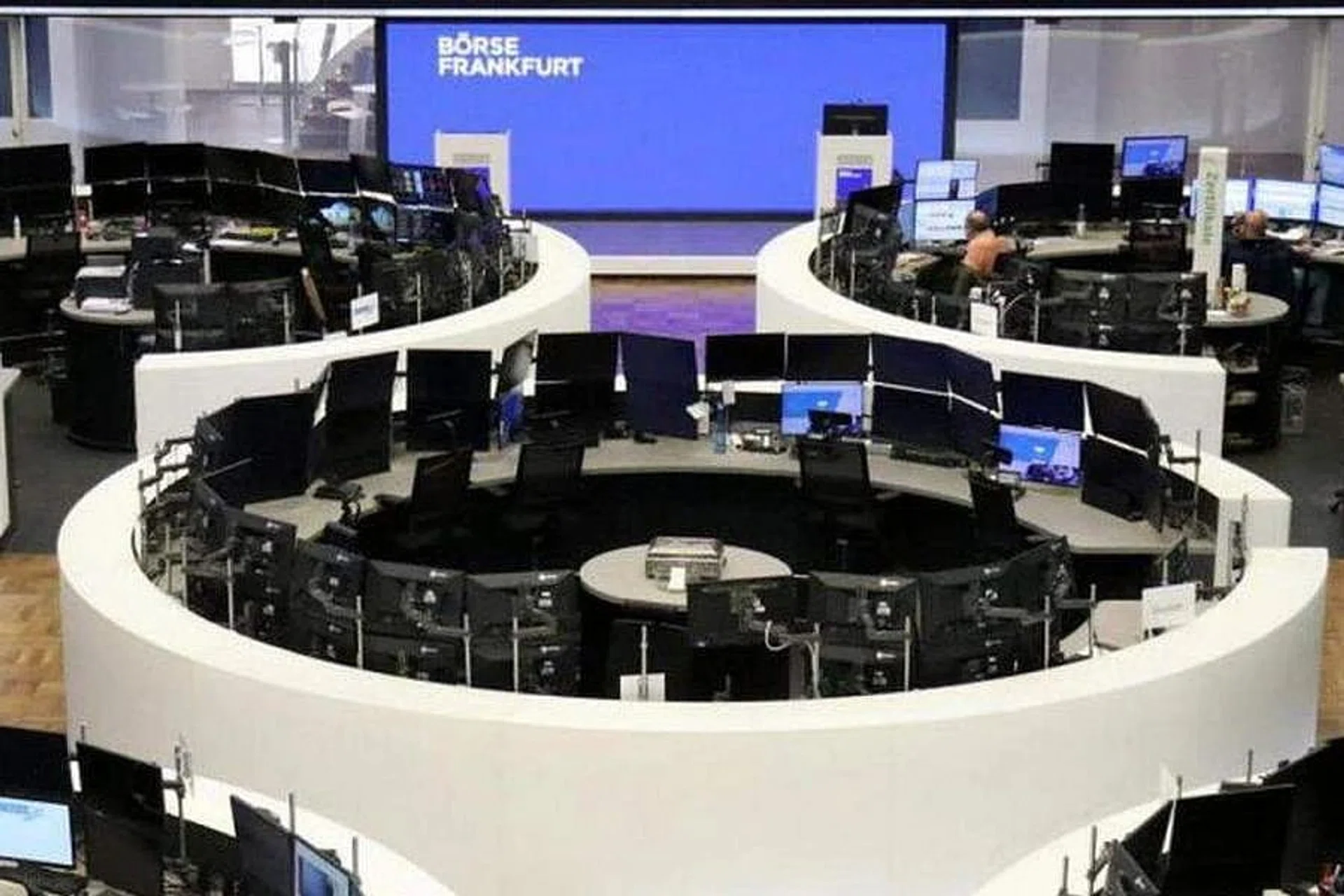
Europe: Shares snap 4-week rally as higher oil prices temper strong earnings
European markets closed lower, breaking their four-week rally due to rising oil prices and geopolitical tensions.
Leggi l’analisiAnalisi, notizie e prospettive per capire ciò che conta.
European markets closed lower, breaking their four-week rally due to rising oil prices and geopolitical tensions.
Leggi l’analisi
Le spese per l'energia hanno trasformato il mercato del retail britannico, spingendo i prezzi verso nuovi record.

Foreign tourist arrivals hit their highest point in the city's history, with nearly one million visitors arriving in the last six weeks of summer.

complete translated excerpt Europe is facing a complex challenge: the reduction of chip activities, a key element for the future of technological innovation, is generating uncertainty and concerns for the sector. The situation, aggravated by fears related to artificial intelligence, is putting the continent's economic stability and competitiveness to the test.

Luca Parisi, CEO of Boostar Software House, founded in 2017, recounts the story of his initiative to develop software known as 'digitized bills.' These bills were transformed into invaluable tools not only in simplifying our daily lives but also opening new avenues for business service development.
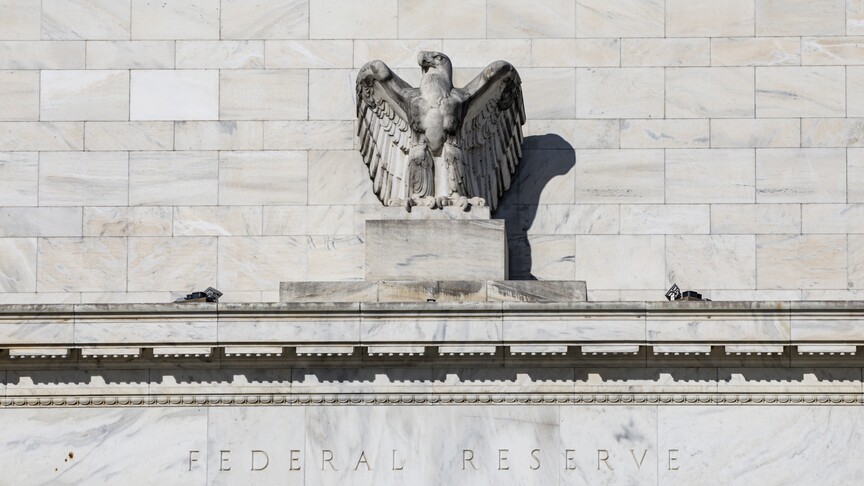
Expectations of rising Fed interest rates clash with new geopolitical tensions, triggering a crisis of confidence in global markets.

Consumer prices experienced a significant reduction in July 2026, marking a positive turn for the global economy.

Vulnerable families see the cost of the raw material rise significantly.
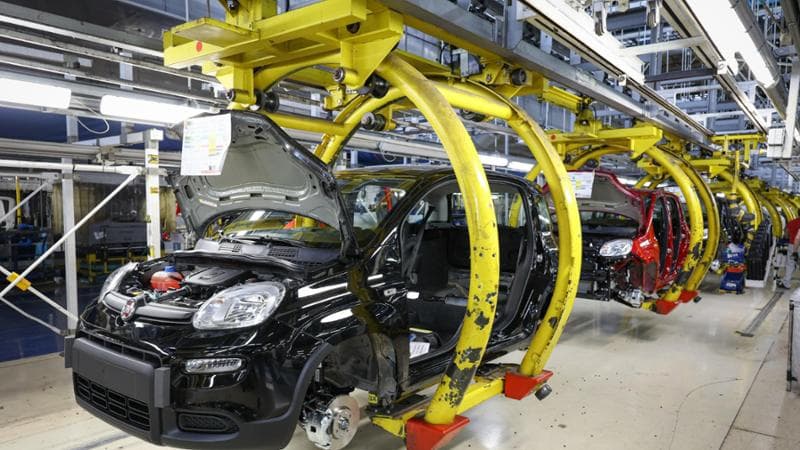
Summer season saw a significant increase in registrations for the second consecutive year.

The Gimbe Foundation, based on OECD data, highlights a drastic reduction in public healthcare spending in Italy compared to the past.

Tech companies are investing trillions of dollars in AI research, financing much of it with debt, creating a speculative bubble on global markets.

US weekly unemployment claims rose by 9,000 to 209,000, yet the labor market remains stable as economic data continues to guide monetary policy expectations.