
BMag Signal · In 30 seconds
Critical readWhat happened. European markets closed lower, breaking their four-week rally due to rising oil prices and geopolitical tensions.
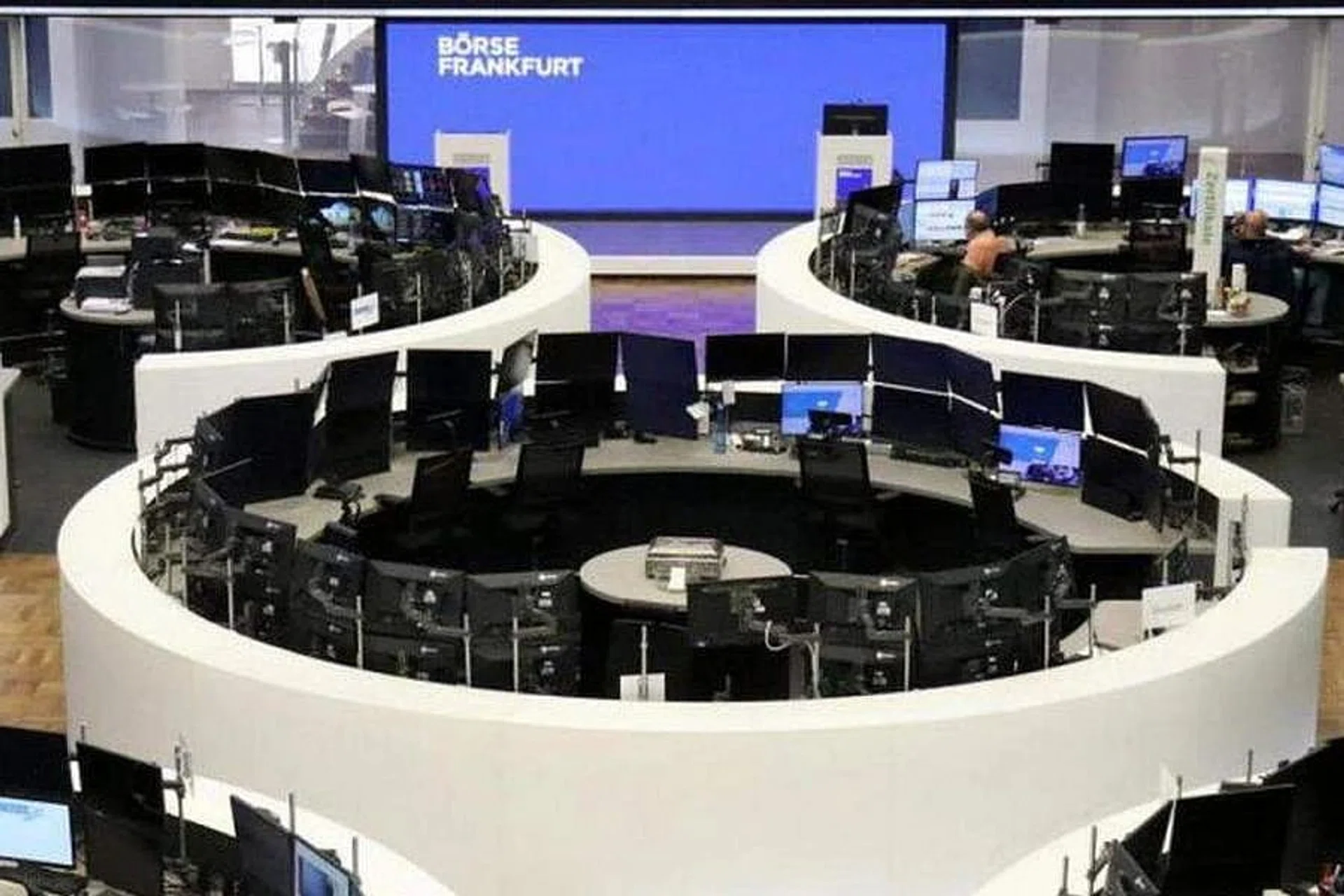
The energy crisis and geopolitical tensions are reshaping European market performance. The European stock market closed lower on Friday, breaking its four-week winning streak, while rising oil prices and new geopolitical tensions have tempered support from solid earnings. According to Bloomberg data, the eurozone benchmark settled 0.2% lower than the previous week, recording a weekly decline of 0.3%.
Despite this, the eurozone benchmark remains within 1% of a record high, with a rise of about 3% over the last four weeks, supported by better second-quarter results. Aggregate revenues for the Stoxx 600 sector are now forecast to grow by 23.4%, representing the largest growth in nearly four years, while energy and materials sector profits exceeded expectations. According to Michael Hewson, a senior analyst at iForex, companies have generated efficiencies in their business models and adapted to cost increases.
Consumers remain surprisingly resilient despite the challenges posed by higher energy costs. Relatively smaller exposure to technology in Europe has also benefited the region, as global investors seek to diversify portfolios away from AI-related stocks. Data also indicates a predominantly resilient economy, with the region's economy growing by 0.4% in the second quarter compared to the three months prior, in line with Reuters interviewees.
This has led to an expansion of European equity exposure in multi-asset portfolios, with the sale of incredible financial stocks and expansion across all sectors in Europe. According to Laurent Clavel, head of multi-asset at AXA Investment Managers and BNP Paribas Asset Management, this approach reflects a diversification strategy. However, while Iran and the United States remain in conflict over control of the Strait of Hormuz, oil prices could remain above pre-conflict levels.
Health sector stocks have recorded sectoral declines with a 1.5% drop, while Zealand Pharma fell more than 5.8%. Conversely, defensive stocks gained 1.2%, with Rheinmetall rising more than 3.2%. European software companies like SAP rose 2.7%, while Nemetschek rose 8.4% and Temenos gained 1.8%.
A Reuters report revealed that private equity firm Silver Lake is negotiating the acquisition of Workday, a US group that lost interest due to AI disruption concerns. Among others, British insurer Aviva rose 1.8% after beating expectations on first-quarter profits. The European insurance index added 0.8%, while Maersk added 8.7%, reaching its four-year high after superior quarterly results and upgrades.
Energy sector stocks like gas company
The news that matters, every morning.
Ricevi una selezione ragionata di business, mercati e innovazione.