

BMag Signal · In 30 seconds
Critical readWhat happened. Two Phrases that Synthesize Cause and Consequence
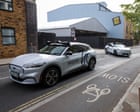
A Futuristic Perspective on the Future of Urban Mobility On September 3, 2026, Wayve, an autonomous vehicle company, launched the first autonomous vehicles for passengers in London. This event was significant because it represented the first introduction of this type of vehicle to British cities. Gwyn Topham, a transport journalist at The Guardian, commented on these events, highlighting the impact that the birth of robotaxis could have on air quality, congestion, and job opportunities.
Khan, the Mayor of London, called the city's leaders to establish limits on the number of robotaxis in the city, noting that current policies were not suitable for the advanced technology. Moreover, drivers of private transportation companies such as Uber have organized demonstrations against what they perceive as a potential reduction in their employment opportunities. Khan's decision to set limits on these machines has been seen as a significant step towards regulating technology, but also as an indication of concern about the lack of control over the consequences of such a change.
Waymo, Wayve's rival, announced its participation in the testing of robotaxis in London, highlighting the rapid spread of this technology around the world. This confrontation between two major technology companies shows the great influence that innovations can have on the daily lives of millions of people. The most immediate problem is the issue of employment.
Local authorities and governments are seeking to find an adequate solution to account for the fact that technology will have a significant impact on contemporary urban society. However, the investigation continues on this topic, showing that the demand for an effective and designed regulation to ensure the safety and efficiency of robotaxis remains very large. This article aims to provide a general idea of the current situation and the directions that London City might take in the field of urban mobility.
The news that matters, every morning.
Ricevi una selezione ragionata di business, mercati e innovazione.
