

BMag Signal · In 30 seconds
Critical readWhat happened. Geopolitical tensions between the United States and Iran are driving a significant rise in fuel prices, with economic effects extending beyond gas stations.
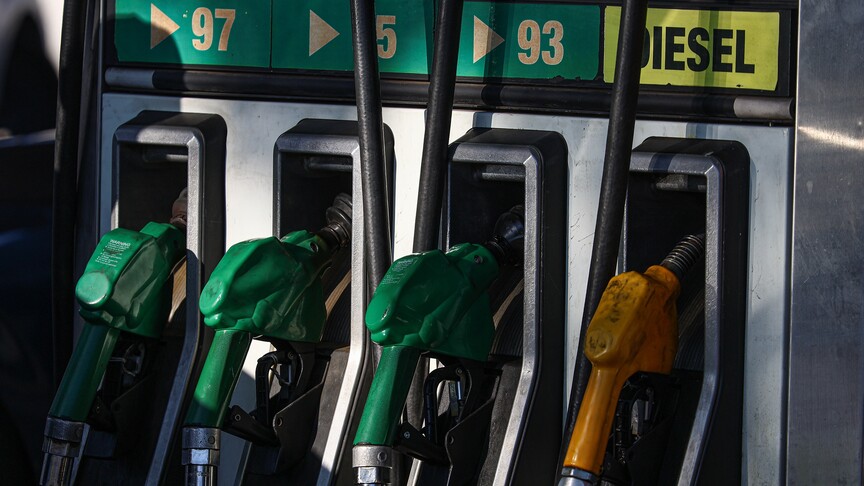
Rising energy costs and their impact on daily consumption. According to the Energy Information Administration (EIA), the average retail price of regular gasoline reached $4.006 per gallon at the end of August, keeping fuel near the politically sensitive threshold of $4. This figure represents a particularly significant increase compared to initial expectations, with a projected decline of 6% in 2026.
In January, the EIA had predicted a 6% drop in gasoline prices in 2026, but the updated forecast projects an average annual price of $3.78 per gallon, against $3.10 in 2025. This increase directly reflects inflation data, with annual inflation at 3.4% in July compared to 2.4% in January before the war began. Fuel price variations vary significantly across different geographic areas.
While in Washington, gasoline was 24.8% more expensive than a year ago, in Dallas-Fort Worth the increase was 19.8%. These costs also reflect in other sectors, such as freight transport and industrial production, since crude oil prices rise. The rise in fuel costs does not limit to final consumption.
The rise in crude oil prices increases costs for transport and production, making food and other products more expensive over time. Additionally, tariffs, supply constraints, and other economic factors contribute to current inflation, making it difficult to attribute every price increase solely to the war. Fuel price increases also affect the aviation sector.
The US Bureau of Labor Statistics' Consumer Price Index for Airfares was 25.5% higher in July compared to a year ago, while the spot oil price for the Gulf Coast costs $3.40 per gallon, nearly 68% higher than in January. These factors combined influence aircraft prices and travel demand, with contracted capacity and reduced competition. For American families, this means the war with Iran is increasingly functioning as an economic problem rather than just a foreign policy issue, as Vice President JD Vance stated.
Vice President JD Vance has stated that keeping oil and gas prices low for Americans is the first objective of his administration, adding that ensuring Iran does not obtain a nuclear weapon is the second objective. Public opinion suggests the administration has reasons for concern, with a Pew Research Center survey revealing 69% of people concerned about the war with Iran.
The news that matters, every morning.
Ricevi una selezione ragionata di business, mercati e innovazione.
