
BMag Signal · En 30 segundos
Lectura críticaQué ha pasado. The city is gearing up for significant growth in elderly care sectors by 2034. This projection assumes annual growth rates of 47%, leading to nearly $500 billion in total costs. Healthcare spending rises from about $340 billion now to well above $500 billion by 2034 as demographic aging progresses. Advanced robotics and AI-driven healthcare improvements will drive rising expenses. Healthcare facilities aim to create a safe and dependable system that can be replicated across regions, serving millions of senior citizens better than before. The article concludes that this sector presents a promising future for Hong Kong, where it's possible to emulate successful models to help an increasing population of elders thrive.
The city of Hong Kong is preparing for significant economic expansion in the elderly care sector by 2034.
This projection assumes an annual growth rate of 47%, leading to nearly $500 billion in total costs. The increase extends beyond just products and services; it includes improvements in quality of life for senior citizens as well.
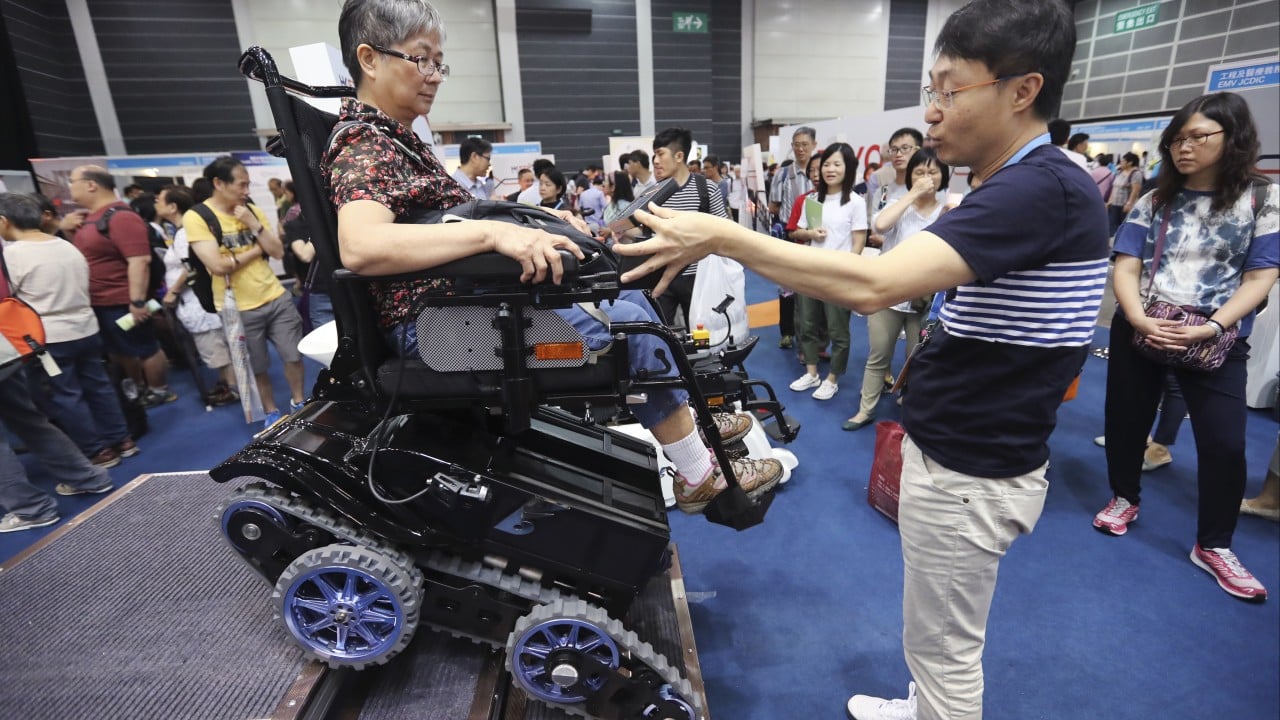
Financial Secretary Paul Chan Mo-po emphasized that demographic aging presents both concrete challenges but also promising market opportunities. As the population ages, healthcare expenses will rise from approximately $340 billion today to over $500 billion by 2034. Technological advancements like artificial intelligence and robots are driving this trend towards more advanced caregiving solutions.
Hong Kong's favorable conditions include its medical research capabilities and concentration of talent. It plans to build an international center for innovative medicine, linking these resources with sustainable commercial services. This development aims to replicate successful models benefiting a larger number of seniors while ensuring safety and reliability.
A dossier highlights new service needs within the Greater Bay Area region alongside sharing health information. Creating a secure and reliable model could be replicated to benefit even more older individuals. Friendly technologies have increased public awareness and attracted investments through technology funds.
In conclusion, the forestry industry represents a substantial opportunity for Hong Kong, replicating proven models to serve a greater number of seniors. Future developments depend on connecting existing resource networks with sustainably viable business offerings.
Las noticias que importan, cada mañana.
Ricevi una selezione ragionata di business, mercati e innovazione.