
BMag Signal · In 30 seconds
Critical readWhat happened. The city of Hong Kong is preparing a significant economic expansion in elderly care.
A company has announced that aging demographics represent both an obstacle but also an opportunity to grow.
According to Financial Secretary Paul Chan Mo-po's statements, Hong Kong’s silver market will reach a value of $50 billion by 2034. This projection is based on an annual growth rate of 47%, which would bring total costs up to nearly $500 billion. The company stated this growth does not just pertain to products and services; it includes improvements in quality of life for senior citizens.
Financial Secretary highlighted that demographic aging presents concrete challenges but offers promising market opportunities as well. The city could become a replicable model for other regions, offering advanced healthcare services and innovative technologies tailored for seniors residents.
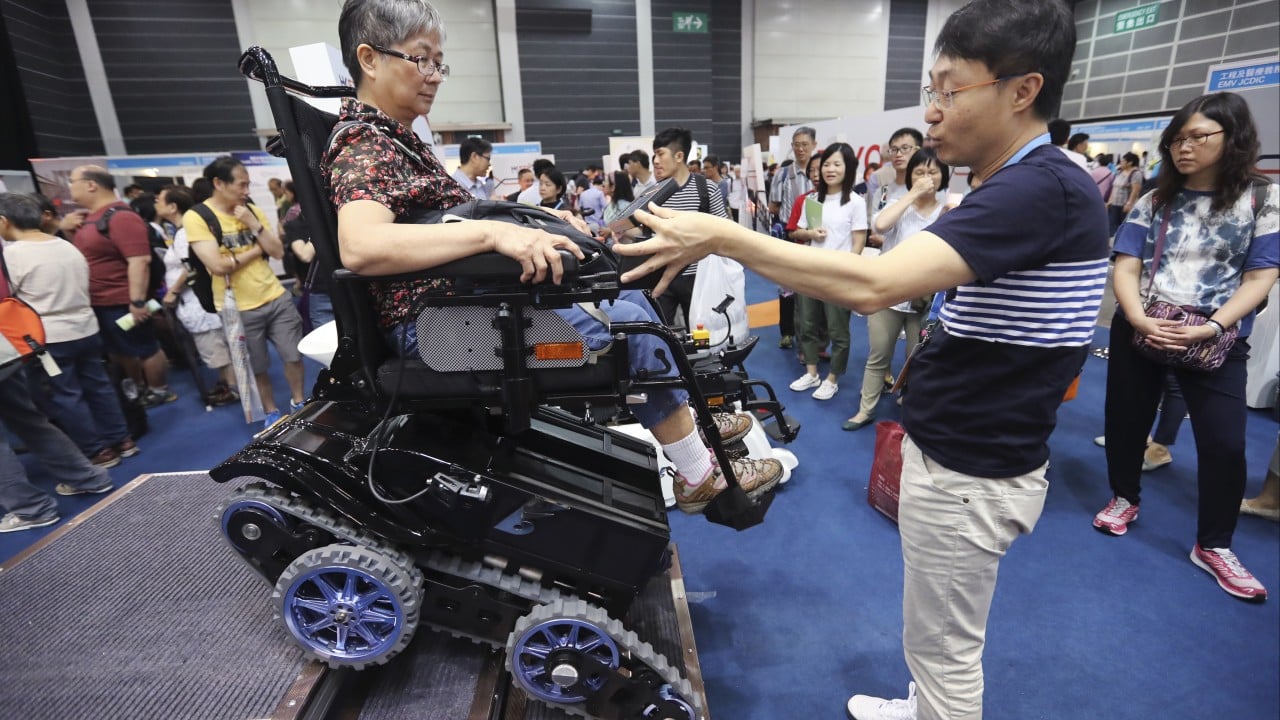
Based on information provided, the cost per resident aged over 60 years from 2024 onwards will increase from $340 billion to $500 billion by 2034. Growth is supported by adopting advanced technology such as artificial intelligence and robots, reducing caregiver loads.
The company emphasized that Hong Kong possesses favorable conditions to lead this sector thanks to its medical research capabilities and talent concentration. It is building an international innovation center connecting these resources with sustainable commercial services.
This dossier highlights that Greater Bay Area provides new service needs and sharing of health-related data. The creation of a safe and reliable model can be replicated benefiting more elderly people.
According to available information, the average population age in Hong Kong is 49 years old, with one quarter of the population above 65 years old. Promoting friendly technologies has increased public awareness and attracted investments through the tech fund.
The article concludes that the silver market represents significant growth potential for Hong Kong, capable of being replicated to benefit even more senior citizens. Future development depends on linking existing resource networks with sustainably viable business models.
The news that matters, every morning.
Ricevi una selezione ragionata di business, mercati e innovazione.