
BMag Signal · In 30 seconds
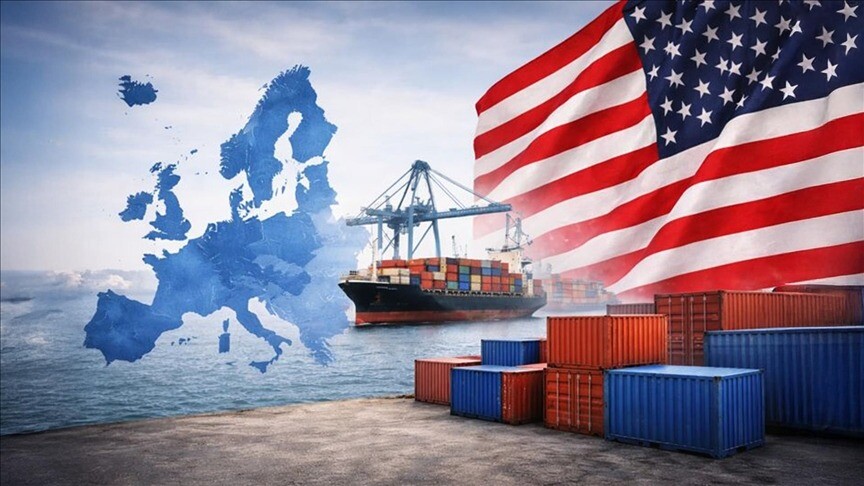
- US, in an action to rebalance global trade, has launched a series of targeted tariffs for Cina, the European Union and a wide range of trading partners.
- For Cina, the proposal sets tariffs up to 20% on most goods and up to 10% on selected items, exempt about $30 billion consumer products recommended for tariff exemption from the US-China Board of Trade, in line with an agreement between US President Donald Trump and Chinese President Xi Jinping.
- Greer held the determinations for Mexico and Norway, the remaining two 16 economies investigated by March 11, without giving a timeline.
US, in an action to rebalance global trade, has launched a series of targeted tariffs for Cina, the European Union and a wide range of trading partners. The objective, according to the official, is to discourage the excessive production of goods, with the aim of promoting American capacity. This strategy, which includes duties of up to 35% and more, is guided by an analysis that considers market distortion as a structural problem.
For Cina, the proposal sets tariffs up to 20% on most goods and up to 10% on selected items, exempt about $30 billion consumer products recommended for tariff exemption from the US-China Board of Trade, in line with an agreement between US President Donald Trump and Chinese President Xi Jinping. The US Trade Representative said that the federal registry of each economy exempts specific items attached, including Chinese goods on a bilateral trade list council recommended for reduced tariffs, and applies net of the national security duties Section 301 and Section 232 existing.
Greer held the determinations for Mexico and Norway, the remaining two 16 economies investigated by March 11, without giving a timeline. Public comments written and requests to testify are due by Jan.
The Trump administration proposes new tariffs for Cina, the European Union and more than a dozen other trading partners who have distorted the global market by producing goods such as cars, batteries and chemicals. The so-called excess capacity rates, which conclude the investigations launched in March, comply with existing trade agreements and vary from country to country. This rate could increase to 40% if trade negotiations collapsed, the official added.
US, which previously notified the affected countries, does not expect Cina to take revenge with something stronger than a statement: This is part of that process of establishing stability, said the official. As far as other countries are concerned, the official shook away the suggestion that the announcement might encourage tension: We really expect that we can sign more agreements at the G20 [summit next month] in the wake of these announcements, the official said.
The official predicted that the proposed tariffs could enter into force in January as soon as possible, since the administration must first request comments and hold hearings. Similar investigations on Norway and Mexico, meanwhile, remain ongoing.
The official attributed these levies to a lack of progress in the trade negotiations. Eleanor Mueller The so-called excess capacity rates, which conclude the investigations launched in March, respect existing trade agreements and vary by country.
The news that matters, every morning.
Ricevi una selezione ragionata di business, mercati e innovazione.