
BMag Signal · In 30 seconds
- The JEC, in a context of geopolitical reorientation, will focus on creating new business opportunities, with a particular focus on trade and energy, with a view to economic growth for both countries.
- The decline in bilateral trade, with an important decrease of 6.5% in 2025, highlights a need to optimise strategies and find new markets.
- Bilateral trade reached $32.6 billion in January-September 2026 with an important boost in Turkish exports, representing $ 4.6 billion, and an import of $28 billion from Russia.
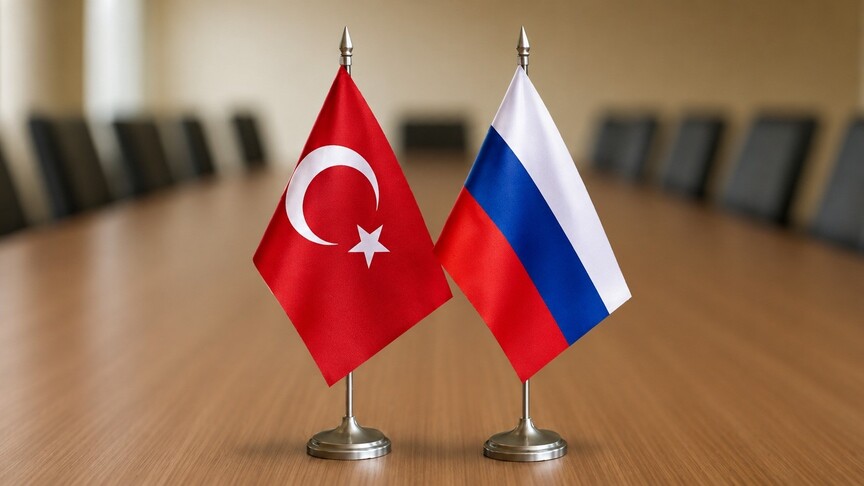
The JEC, in a context of geopolitical reorientation, will focus on creating new business opportunities, with a particular focus on trade and energy, with a view to economic growth for both countries. Industrial and bilateral cooperation will be crucial to strengthening economic links and market stability.
The decline in bilateral trade, with an important decrease of 6.5% in 2025, highlights a need to optimise strategies and find new markets. The war in Ukraine was a significant obstacle, with a negative impact on trade flows, although industrial and trade ties remain strong.
Bilateral trade reached $32.6 billion in January-September 2026 with an important boost in Turkish exports, representing $ 4.6 billion, and an import of $28 billion from Russia. This long-term goal of increasing annual trade volume to US$100 billion is a crucial benchmark for economic growth.
Strategic cooperation between Türkiye and Russia is manifested in infrastructure projects such as the Akkuyu nuclear power station and the TurkStream gas pipeline, which represent an opportunity for investment and regional development. Erdogan and Putin stressed the importance of these links, strengthening the partnership for the future.
The Russian construction sector, with 2,190 Turkish projects worth US$103.3 billion, is another area of strong cooperation. Turkish investors are active in diversified sectors, from clothing to plastics, through electronics and agriculture, demonstrating the versatility of the market.
The growing Russian tourist influence in Türkiye, with an increase in arrivals from 4.6 million to 6.9 million visitors in 2025, underlines the importance of this partnership for tourism and economic growth.
The news that matters, every morning.
Ricevi una selezione ragionata di business, mercati e innovazione.