

BMag Signal · In 30 seconds
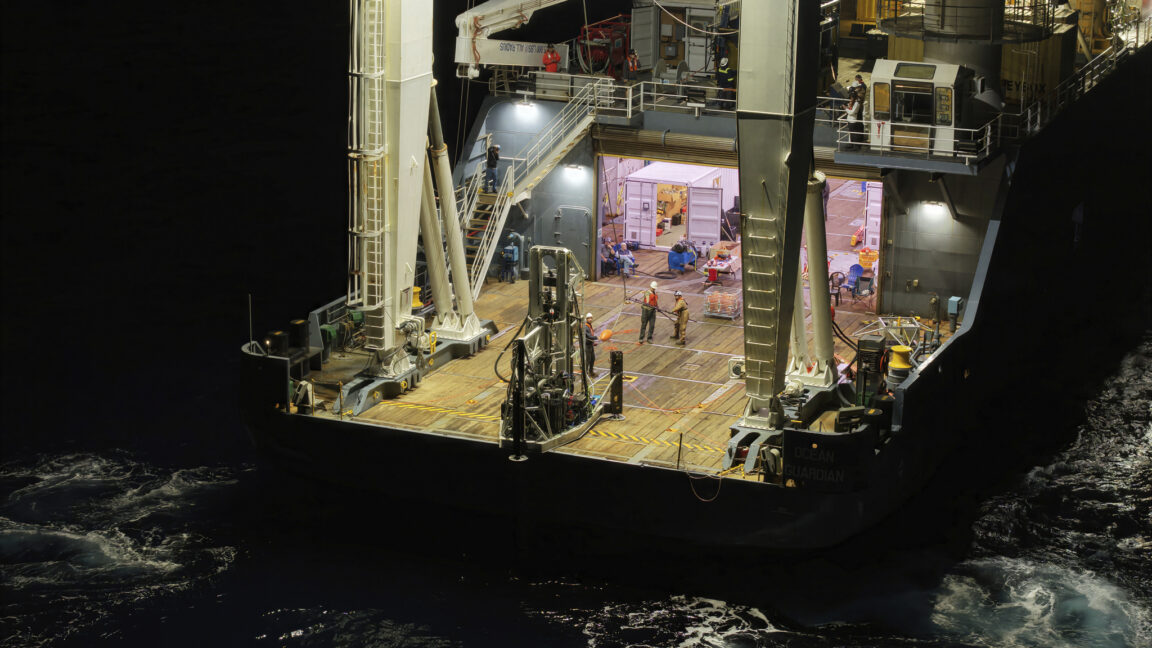
Critical readWhat happened. Start-up Endurance Energy has demonstrated for the first time the technology of underwater energy production, launching a prototype geothermal drilling project near an active volcanic water spot in the Pacific Ocean.
A new prototype of underwater thermal energy harvesting has been tested. This renewable energy is based on high temperatures found in ocean waters. This technique can be used both above and below sea level but presents several safety and cost issues. Therefore, laboratory tests were necessary until it was possible to create a commercial project. The effective lab test was recently initiated at Axial Seamount, an underwater volcano located in the eastern Pacific Ocean. The search for alternative energy sources has become more important due to many countries in the eastern oceans are seeking alternatives to fossil fuel imports. The effectiveness of the technology for producing energy underwater is attributed to the cold water temperatures that can be used as a heat source.
Moreover, the subcutaneous pressure maintains the plantation and pipes in good condition, making its construction more compact compared to terrestrial projects. The main challenges of this technique stem from high installation and operation costs, particularly when compared to terrestrial projects.
According to Roland Horne, a professor of energy science at Stanford University, 'it is likely that it will be technically possible, but probably more expensive than doing so on land.' The prototype of underwater thermal harvesting has produced less than 10 seconds of positive energy, but it has demonstrated the possibility of activating an undersea power generation system. This laboratory proof-of-concept is a crucial step towards the commercialization of this type of technology, which could be useful for nations along the eastern coast seeking to reduce their dependence on fossil fuel imports.
Andrew Redd, founder and CEO of Endurance Energy, stated: 'The ocean floor offers an endless supply of cold water that can serve as a heat source, and its weight keeps the system and pipes in good condition, allowing our plants to be compacted.' The effectiveness of underwater energy production technology can be increased if it is proven economically viable. Moreover, the importance of this technique extends beyond providing alternative energy sources, but also in responding to climate change, which may lead to higher sea temperatures.
The news that matters, every morning.
Ricevi una selezione ragionata di business, mercati e innovazione.
