

BMag Signal · In 30 seconds
Critical readWhat happened. The technology company has decided to delay its stock listing until 2027, marking a fundamental change in strategy for the future of AI.
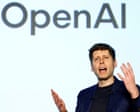
The CEO has stated that the current moment is not suitable for public listing due to risks associated with artificial intelligence. Sam Altman, the founder and CEO of OpenAI, communicated in an interview with Fortune that 2026 will not be the year for the company's publication. The decision was made after severe warnings from rival researchers, such as those from Anthropic, who have launched alarmingly on the risk of human extinction.
According to Altman, the current moment represents a disallowed moment for public listing, since the company does not feel external pressure to proceed. The company has communicated that security risks are so high that a much more cautious approach is required compared to traditional financial standardization. American legislative authorities, both democratic and republican, are already asking for new rules to govern artificial intelligence systems, creating a complex regulatory context.
Altman has responded that the priority is to align AI with human values, an objective that requires time and cannot be managed with the rush of an equity market. Dario Amodei, CEO of Anthropic, has published an article on social media inviting companies to slow down the pace of improvement of artificial intelligence models. This position of Anthropic has strengthened Altman's position, which has agreed with the sense of the request to slow down.
Altman has publicly responded on X (formerly Twitter) agreeing with Dario Amodei, stating that this has been one of the main themes discussed in recent months within OpenAI. The company has therefore decided to pause its IPO to focus on the phase of security and alignment. Elon Musk's actions on SpaceX are declining while the valuation of SpaceX has risen to 1.8 trillion dollars, a context that could influence investment decisions.
However, Altman has specified that it is not 2027, but a delay compared to 2026, indicating a more intimate strategic choice. The company has not yet announced an agreement with other leading companies to slow down the development of AI, but Altman's direction suggests that large companies might approach an agreement to slow down. The uncertainty about the future of AI remains high, with economic and geopolitical consequences still to be evaluated.
The news that matters, every morning.
Ricevi una selezione ragionata di business, mercati e innovazione.
