

BMag Signal · In 30 seconds
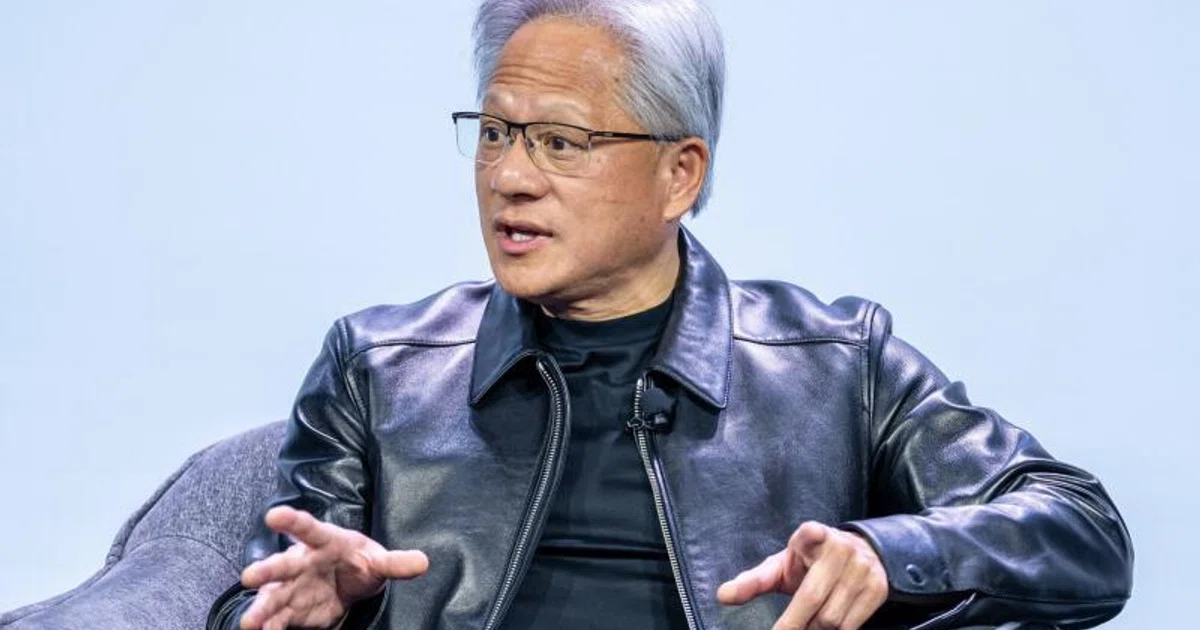
Critical readWhat happened. In a surprising shift of stance, NVIDIA's CEO, Jensen Huang, has announced a significant change in his approach to addressing concerns about artificial intelligence safety. Some recognize the growing concerns regarding potential risks associated with artificial intelligence, but Huang continues to maintain that these concerns are exaggerated and not based on concrete evidence. The company plans to donate $250 million over five years to finance research into AI security systems, emphasizing the importance of integrating containment technologies into AI platforms.
Despite the concerns about AI security, Huang remains neutral on the reduction of non-safe software developers. NVIDIA, the main provider of AI accelerators, has been at the center of discussions regarding AI security. During an interview with Emily Chang from Bloomberg in London, NVIDIA CEO Jensen Huang stated his intention to stop the production of chips by software developers of unsafe artificial intelligence.
However, he clarified that this decision would occur only after a conversation and would not involve managing other people or applying extreme judgments on their use of his hardware. Huang's comments reflect a broader debate within the sector on the possibility of controlling and applying artificial intelligence safely. Some leaders have proposed a global industrial slowdown to resolve these concerns, while others support that the rapid expansion of the AI sector is leading to autonomous control.
Huang believes that artificial intelligence itself can be used to protect and help contain the project, adding that they should accelerate the development of monitoring technologies as artificial intelligence becomes an essential component of these systems. Despite the recent decline in AI infrastructure following the news, Huang remains convinced about the future demand for AI components, declaring that supply and demand will continue to exceed market trends for years to come. He also emphasized the importance of accelerating the integration of containment technologies into AI platforms, highlighting artificial intelligence as a crucial element to achieve this goal.
The $250 million acquisition by NVIDIA reinforces its determination to address concerns about AI security, with the aim of supporting English academies in research on protective methods to control AI agents. This decision refers to the company's recognition of growing problems faced by young AI enterprises entering the sector and the associated responsibility for building them. Although his statement suggests a cautious stance on AI safety concerns, it does not exclude the possibility of implementing more stringent measures in the future.
The ongoing debate highlights the evolutionary nature of AI innovation and the need for continuous improvement and regulatory measures to ensure responsible development and distribution of AI platforms.
The news that matters, every morning.
Ricevi una selezione ragionata di business, mercati e innovazione.
