
BMag Signal · In 30 seconds
Critical readWhat happened. The UK's heatwave has put pressure on its public transport network, with drivers complaining of uncomfortable working conditions.
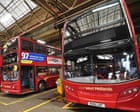
According to The Guardian, three drivers who have worked for National Express over 20 years have requested anonymity. All describe buses and driver stations that are difficult to work in during hot weather, mainly due to inadequate climate control. The issue, they say, does not just affect comfort: driving a vehicle weighing 12 tons requires high concentration, which can be compromised by heat, tiredness, and lack of sleep.
One driver reported sweating heavily on his back and face, while colleagues continued to serve despite being visibly exhausted. Temperatures at night would prevent some from getting enough rest before their next shift. Another driver described himself completely drenched in sweat, saying that some passengers had fainted aboard.
The Guardian did not report how many episodes like this were recorded. Complaints arrive after three successive heatwaves characterized by elevated temperatures and dry climate in the UK. In the previous month, national temperature had exceeded 37 degrees during what was defined as the hottest June day ever registered in the country.
Met Office warned in the week preceding publication about extreme climatic events becoming new normality British. Persistent heat is transforming an operational problem into governance problem of public transportation. For National Express, management of temperature involves organization of shifts, availability of breaks, and adequacy of vehicles.
Public authorities' theme concerns instead rules protecting workers and capacity of infrastructure adapting to more severe and frequent conditions. West Midlands drivers reported obtaining additional 30-minute breaks to cope with heat. However, measure was not communicated uniformly; according to their testimonies, many employees were unaware of it.
Drivers also expressed fears for possible consequences on retribution and service delays, leading to passenger complaints and regularity issues. Formal availability of break does not necessarily coincide with possibility of using it. Statements made by The Guardian suggest tension between continuity of service, protection of health, and clarity of internal procedures.
One driver accused National Express of not considering worker's concerns seriously enough. Available material does not show any response from society or valuation of measured temperatures. This case fits a broader comparison of working conditions of transport staff in the UK and rest of Europe.
Deputate Hannah Spencer announced intention to present bill in Parliament that would open way to introducing maximum temperature at workplaces. Proposed transfer of risk assessment from company plan to normative one. London too has faced issue.
In June, city's mayor Sadiq Khan promised further support to bus drivers during heatwaves. The Guardian did not specify nature of proposed measures. Politic initiatives indicate how persistent heat is imposing revision not only technology but also responsibilities among operators, administrators, and legislators.
New first minister Andy Burnham should consider what steps National Express will take regarding cabins reaching 40 degrees, as well as application of additional breaks and if Parliament sets new limits to protect workers during hot weather.
The news that matters, every morning.
Ricevi una selezione ragionata di business, mercati e innovazione.