
BMag Signal · In 30 seconds
Critical readWhat happened. In a recent publication by Project Syndicate, Pedro Ivo Ferraz Da Silva wrote that the ability to design, produce, and commercialize new technologies has remained concentrated in the hands of very few people or advanced economic entities. This article examines the impact this phenomenon is having on our planet's sustainable development.
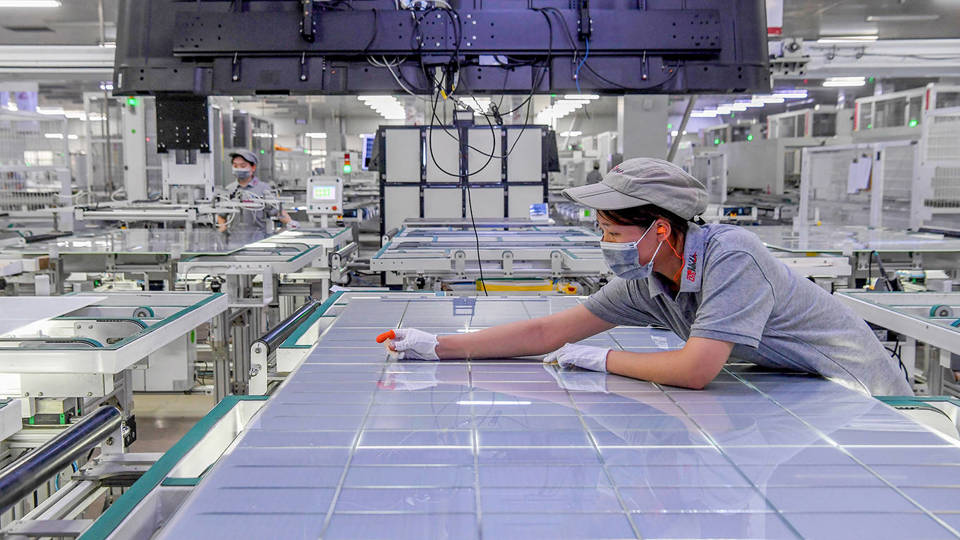
A detailed analysis of the concentration of technological expertise in the world.[P1] The history of globalization is that of an economy dominated by two powerful industrialized nations (the United States and Western Europe) with approximately 50 countries serving their interests. Only two of the largest automobile manufacturers have managed to become original equipment manufacturers. In subsequent years, the information industry has followed a similar direction, creating a growing gap between those who know how this technology works and those who do not.[Note: The original source was "Who Should Build the Low-Carbon Economy?"] [P2] In reality, only two countries, Japan and South Korea, have managed to enter this exclusive club. With the end of the Cold War, the information industry has followed a similar model - under the banner “Designed in California, assembled in China” - leaving a clear distinction between well-rewarded activities and those less paid for. However, with the emergence of other green technologies for the economy, many thought that times would change. When China began to gain a global market share in producing solar panels and wind turbines, some analysts suggested that all-green-emergence would follow suit. [Note: The original source was "Who Should Build the Low-Carbon Economy?"] [P3] Once these few people had their hands on this technology, they would have had to learn it all by themselves without ever asking for help from others - but not so is it. Instead, there have been bilateral agreements between advanced governments and emerging economic entities. This phenomenon is having an impact on our planet's future sustainability.
[Note: After university studies, although it is difficult to find anything similar in the world, one could imagine a scenario optimistically. Every nation capable of understanding its own challenges would be able to create systems and machines at precise scale. And where complementary competencies meet, governments would have been able to enter into mutually beneficial collaborations. Instead, humanity has followed an opposite direction. Since the emergence of industrialization and true globalization around the 19th century, goods and technology have reached every corner of the planet - but the task of designing, producing, and commercializing remains concentrated in the hands of few people or advanced economic entities.]
The news that matters, every morning.
Ricevi una selezione ragionata di business, mercati e innovazione.