
BMag Signal · In 30 seconds
- Patto Asean, a new digital trade agreement, promises to foster the expansion of small and medium-sized enterprises (PMI) across the region, but their ability to take full advantage of the benefits depends on limited resources and expertise.
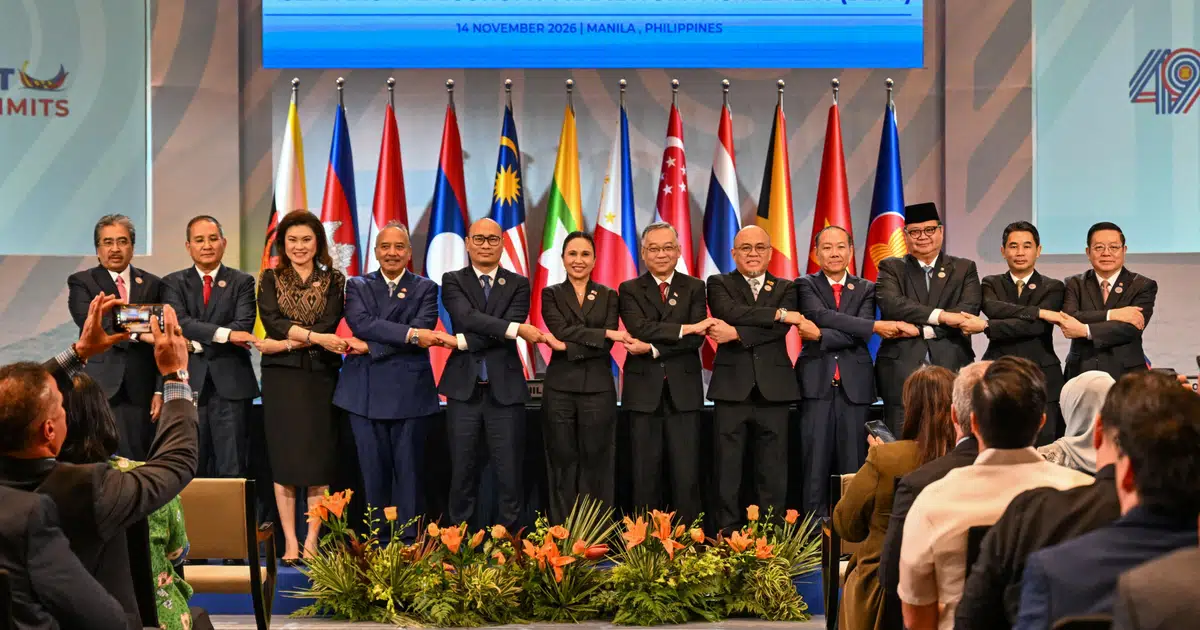
- The Asean Digital Economy Framework Agreement (Defa), signed in Manila on Nov 14, aims to reduce digital trade barriers within the 11-member group, including by facilitating cross-border payments, electronic business documentation and data flows.
- For PMIs that have slim finance and treasury teams, managing these complexities across multiple markets can become a significant operational and administrative burden as they expand regionally, RSUE said.
Patto Asean, a new digital trade agreement, promises to foster the expansion of small and medium-sized enterprises (PMI) across the region, but their ability to take full advantage of the benefits depends on limited resources and expertise. The agreement, signed in Manila, aims to simplify cross-border payments and commercial documentation, but PMI is struggling to translate the provisions into concrete gains.
The Asean Digital Economy Framework Agreement (Defa), signed in Manila on Nov 14, aims to reduce digital trade barriers within the 11-member group, including by facilitating cross-border payments, electronic business documentation and data flows. Carmen Chan, deputy head of global banking operations at OCBC, said that PMI have to face fragmented payment systems, currencies, regulations and documentation processes when doing business in Asean.
For PMIs that have slim finance and treasury teams, managing these complexities across multiple markets can become a significant operational and administrative burden as they expand regionally, RSUE said. Discovering how companies are sailing power limits and sustainability goals Unequal legal recognition of electronic commercial documents also means that some transactions still require physical documents, slowing down processing and increasing costs.
But understanding how to use such agreements remains a challenge for small businesses. What does that mean for me as a business?
A survey of 184 companies in eight Asean markets revealed that 35% were not familiar with Defa, while another 49 percent knew about it but had not considered its implications. The results, from the 2026 Asean Business Outlook Survey conducted by the American Chamber of Commerce of Singapore, Accenture and Google, largely reflect the experience of Ang Yuit, president of the Association of Small and Medium Enterprises. Ang said the difficulty went beyond understanding an agreement. Companies also had to interpret its provisions, assess their relevance to individual transactions and understand how to deal with them.
He said the difficulty went beyond understanding an agreement. Companies also had to interpret its provisions, assess their relevance to individual transactions and understand how to deal with them.
This may require a dedicated internationalization team, something that smaller companies may not have the necessary resources, Ang observed. Managesh Tripathi, senior advisor of SME Centre@SICCI (Singapore Indian Chamber of Commerce and Industry), agree. According to Tripathi, the difficulty went beyond understanding an agreement. Companies also had to interpret its provisions, assess their relevance to individual transactions and understand how to deal with them.
The news that matters, every morning.
Ricevi una selezione ragionata di business, mercati e innovazione.