
BMag Signal · In 30 seconds
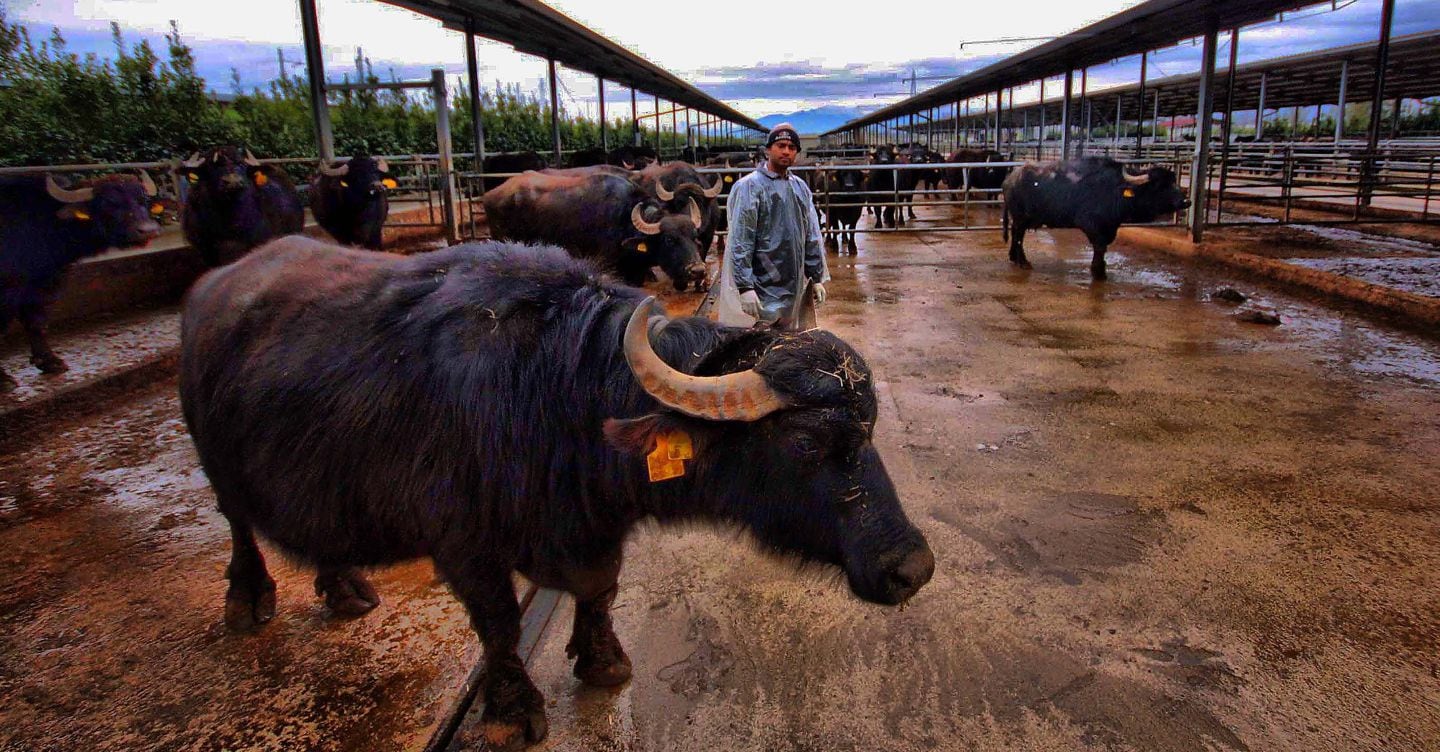
Critical readWhat happened. The Apennine Buffalo farming chain, located in Campania, is a crucial sector for the region, where about 70% of Italian buffaloes and 22% of buffaloes are concentrated. This sector produces a significant portion of Campanian buffalo cheese PDO (Protected Designation of Origin), a recognized product. Additionally, this area is rich in buffaloes, representing 13.2% of Italy's buffalo herds.
A project aimed at transforming the buffalo farming sector of the Sele Plain, in Salerno, with a strong financial investment and technological innovations.
The use of new technologies for sustainability can give impetus to the buffalo farming sector of the Sele Plain, in Salerno. This is the basis of the project promoted by Foundation Symbola together with Bcc Campania Centro, Bcc Capaccio Paestum Serino, Bcc Magna Grecia, built with the involvement of Coldiretti Campania and Confagricoltura Salerno and numerous enterprises within the sector. The project proposes an intervention method that has already been experimented in the fourth level of the same area. The technical analysis will be supplemented by a dedicated financing of 30 million euros provided by banks offering favorable interest rates.
This is a strategic sector for Campania, where it accounts for about 70% of Italy's domestic buffaloes. Specifically, in the Sele Plain there are 13.2% of Italy’s buffaloes and 22% of the total herd.
The Symbola project, presented today in Eboli, is structured into three phases: it starts with research, progresses through available funds, and concludes with the implementation of investments, followed by category associations. At the heart of research lies analyzing six macro dimensions that encompass the entire production cycle: from substituting and reducing chemical substances use to managing water resources efficiently, protecting soil and biodiversity, reducing climate-changing emissions, up to recovering and valuing secondary products and adopting sustainable packaging, without neglecting the transverse aspect of animal welfare. Concrete solutions are identified, many of which already exist on the market, capable not only of mitigating environmental impact but also significantly improving product quality.
The reputation of the community and the competitiveness of participating enterprises. [P3] Here are some examples of the advice offered:
In the agricultural sector, the use of smart fertilizers and precision agriculture allows for reduced reliance on herbicides and chemical fertilizers while optimizing natural resource usage and reducing soil contamination risks. In livestock farming activities, the use of integrative nutritional additives, homeopathic remedies, and precision veterinary technologies contributes to improving the health of cattle.
The equipment includes environmental sensors, monitoring software for microclimate conditions, and intelligent feeding robots that significantly improve hygiene standards, animal welfare, and overall production efficiency. In addition, studies on emissions from the meat industry have been cited.
[Source]
The news that matters, every morning.
Ricevi una selezione ragionata di business, mercati e innovazione.