

BMag Signal · In 30 seconds
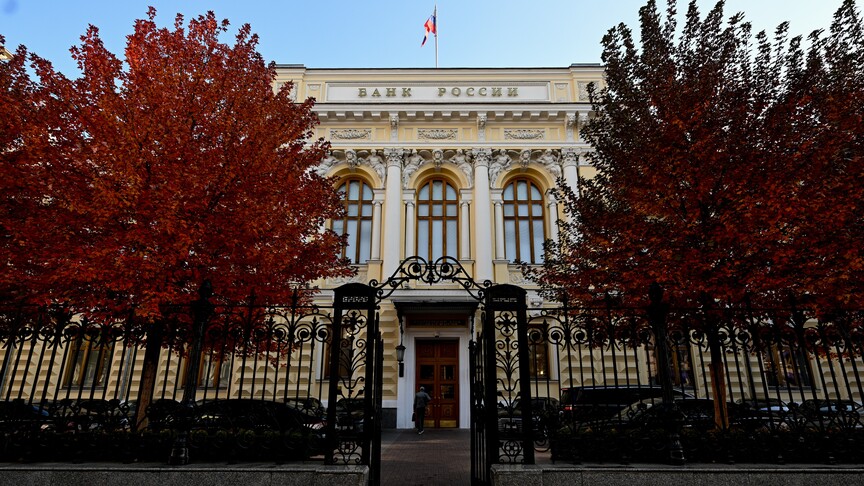
Critical readWhat happened. The Russian Central Bank has maintained the interest rate at 14% for the ninth consecutive week, further heightening concerns about rising inflation pressures in the country. Despite moderate economic growth in the second half of 2026, the Russian economy continues to experience price increases that have not yet been reduced and are extending over approximately six months. The bank's analysis indicates that this trend is primarily due to a temporary reduction in production capacities in certain industries, but also to an increase in economic activity that must be moderate to allow inflation to return to its target level.
The Russian Central Bank has kept interest rates stable at 14% for the ninth consecutive week, reinforcing concerns about high inflation pressures in the country. Despite moderate economic growth in the second half of 2026, the Russian economy continues to register rising prices that have yet to decrease and are spreading over approximately six months. The bank's analysis indicates that this trend is primarily due to a temporary reduction in production capacities in certain industries but also to an increase in economic activity that needs to be moderated to allow the rate of inflation to revert.
According to calculations by the bank, price growth has been accelerating annually over the past few weeks, with an increase of 8% from 4.8% during the latter half of 2026. Price growth rates have risen to 6.2%, up from 4.5% previously. Today, the Russian Central Bank announced that its baseline forecast predicts interest rate taxes between 12.5% and 13.5% for 2027, with inflation expected to revert to the target level of 4% by 2027.
The bank has warned that inflationary aspects remain dominant compared to concerns about deflation in the short term. The biggest risks include employment force issues, geopolitical tensions, higher wages exceeding productivity growth, and ongoing price pressures even though the economy is gradually easing labor market pressure and the job market is approaching historically low levels. Interest rates have experienced a gradual reduction from 21% to 14%, with interest rate spreads having been verified over an extended period of time. Russia's economy continues to register elevated prices that are still increasing but not yet decreasing, extending across approximately six months.
The analysis of the bank indicates that this trend is mainly due to a temporary reduction in production capacities in certain industries, but also to an increase in economic activity that needs to be moderated so that the inflation rate can decline again.
The news that matters, every morning.
Ricevi una selezione ragionata di business, mercati e innovazione.
