
BMag Signal · In 30 seconds
Critical readWhat happened. The fintech company is valued at $4 billion and believes it has found a way to avoid the startup's client abandonment problem.
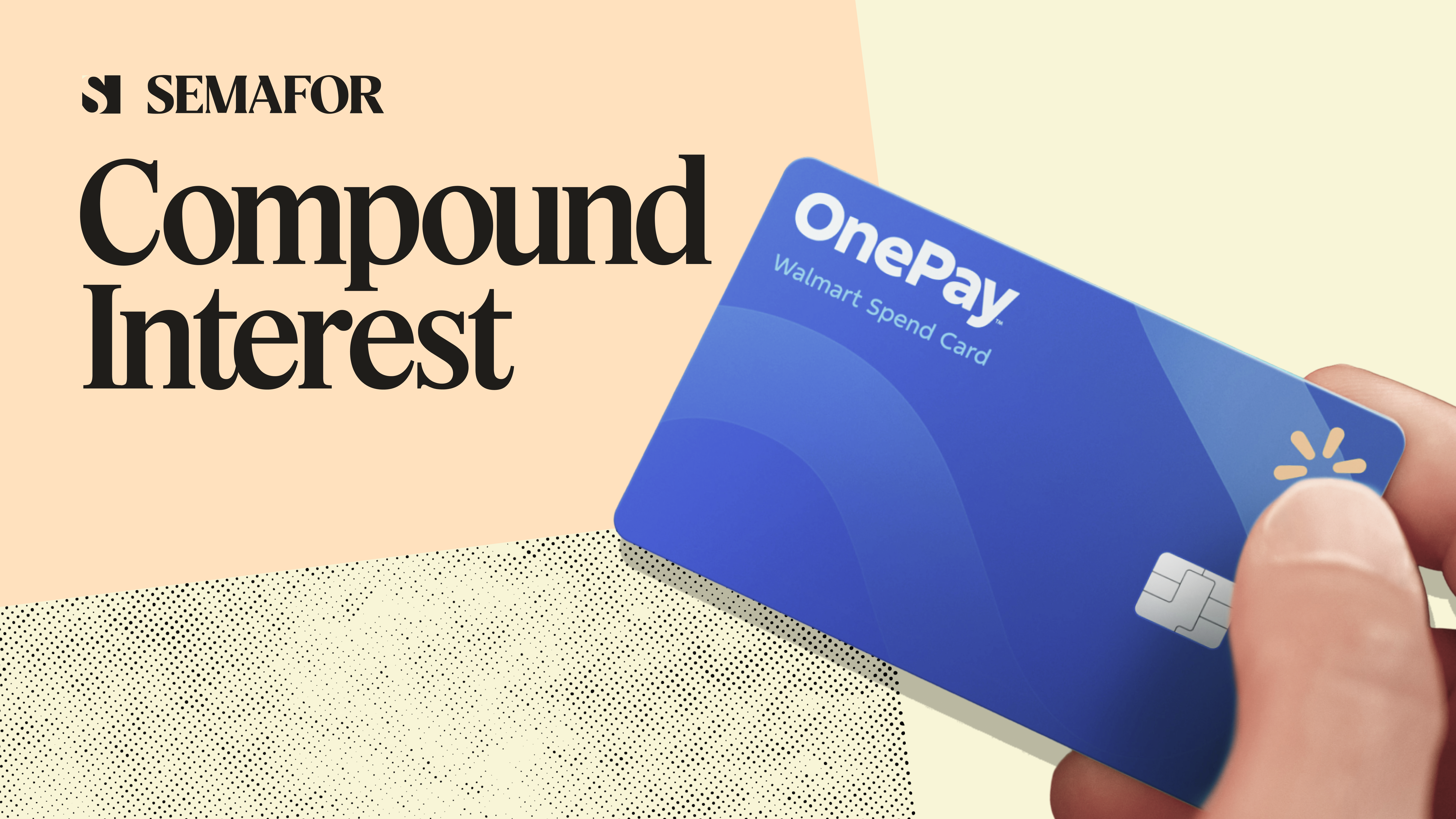
The news is that startups in the fintech space often fail, mainly because they spend all their money trying to acquire clients. The costs of generating contacts and advertising in metropolitan areas accumulate, while users abandon the service before the companies can recover them. Omer Ismail, CEO of OnePay, which is backed by Walmart, believes he has found a way to avoid it: partnering with the largest retailer in the country.
Most of OnePay's 7 million clients come from Walmart's base, composed of 1.5 million employees and approximately 150 million customers acquired for free. 'The problem is always been how difficult it is to acquire clients,' Ismail said in the last episode of Semafor's. 'Distribution and data constitute formidable barriers to competition.' Walmart has been trying to assert itself in financial services for over two decades, with mixed results. In an attempt to attract more customers... The most significant signs that have emerged so far indicate competitive pressure and demand.
For companies, the knot is not just growth in volume: it counts the quality of revenue, holding onto client portfolios, and sustainability of net margin in the next quarter. In the short term, the decisive lever remains commercial execution: entry times, channels, and market selection could determine the difference between expansion and compression of margins. In an attempt to attract more customers into its ecosystem, Walmart has launched a bank authorized to collect deposits in Utah, which ran into a normal regulatory barrier, while a subsequent partnership with American Express for offering pre-paid credit cards did not produce significant results.
Now it tries OnePay and Ismail, who contributed to creating and directing Marcus, the retail bank of Goldman Sachs, which was later abandoned after burning billions of dollars. Ismail has some ideas on why that initiative didn't work and is building OnePay differently. Marcus had 'many battle scars to demonstrate how difficult it is to innovate and build something within the walls of a large company,' said Ismail.
Walmart owns majority stake in OnePay, but the company is developed separately: starting with New York, far from the headquarters of the retailer in Arkansas. The point of view of Liz... Distribution always beats content.
Having a good product is important, but it's fundamental to get it to the largest number possible of people, using simple methods for them and economical for companies. OnePay, which currently occupies the eighth place in finance category of Apple App Store, has started proposing itself as other partner-entrepreneurial companies like Workday (Ismail implicitly recognized when I asked about Target... For companies, the knot is not just growth in volume: it counts the quality of revenue, holding onto client portfolios, and sustainability of net margin in the next quarter.
The most significant signs that have emerged so far indicate competitive pressure and demand. In the short term, the decisive lever remains commercial execution: entry times, channels, and market selection could determine the difference between expansion and compression of margins.
The news that matters, every morning.
Ricevi una selezione ragionata di business, mercati e innovazione.