
BMag Signal · In 30 seconds
Critical readWhat happened. The businesses in the area between Calangianus and Tempio Pausania are recording $190 million in revenue. Today, the sector must face various challenges.
Economy of Tar: A Journey Through Sardinia, Where 140,000 Tons of Tar Are Extracted Annually is taken from Forbes Italy's July 2026 issue. Subscribe! Peripheral island compared to major economic and political centers, yet finding itself at the center of Mediterranean trade routes, Sardinia has known invasions, dominions, and migrations.
If Sicily smiles at the sea and at exchanges, Sardinia appears more reserved and austere: a land from which much is taken and rarely returned, as confirmed by Cesare Pavese's aphorism for which 'a country needs people, not just to leave, but also to come back'. Perhaps even for this some of its most precious resources are at the margins of the national economic account. Among these is tar, an ancient material that continues to generate value, occupation, and exports.
A filial that has seen the most relevant signals so far indicate competitive pressure and demand with values cited at 140,000 tons, $190 million. For businesses, the node is not just growth in volume: it counts quality of revenue, holding of client portfolio, and net margin sustainability in the next quarter. In the short term, the decisive lever remains execution commercial: times of entry, channels, and selection of markets may determine the difference between expansion and compression of margins.
A filial that has its epicenter in Gallura, between Calangianus, Tempio Pausania, and Luras, and which represents one of the most interesting cases of specialized productive output in Southern Italy. The peculiarity of tar lies mainly in its origin. Unlike many other materials prime forestal, it is obtained without felling the tree.
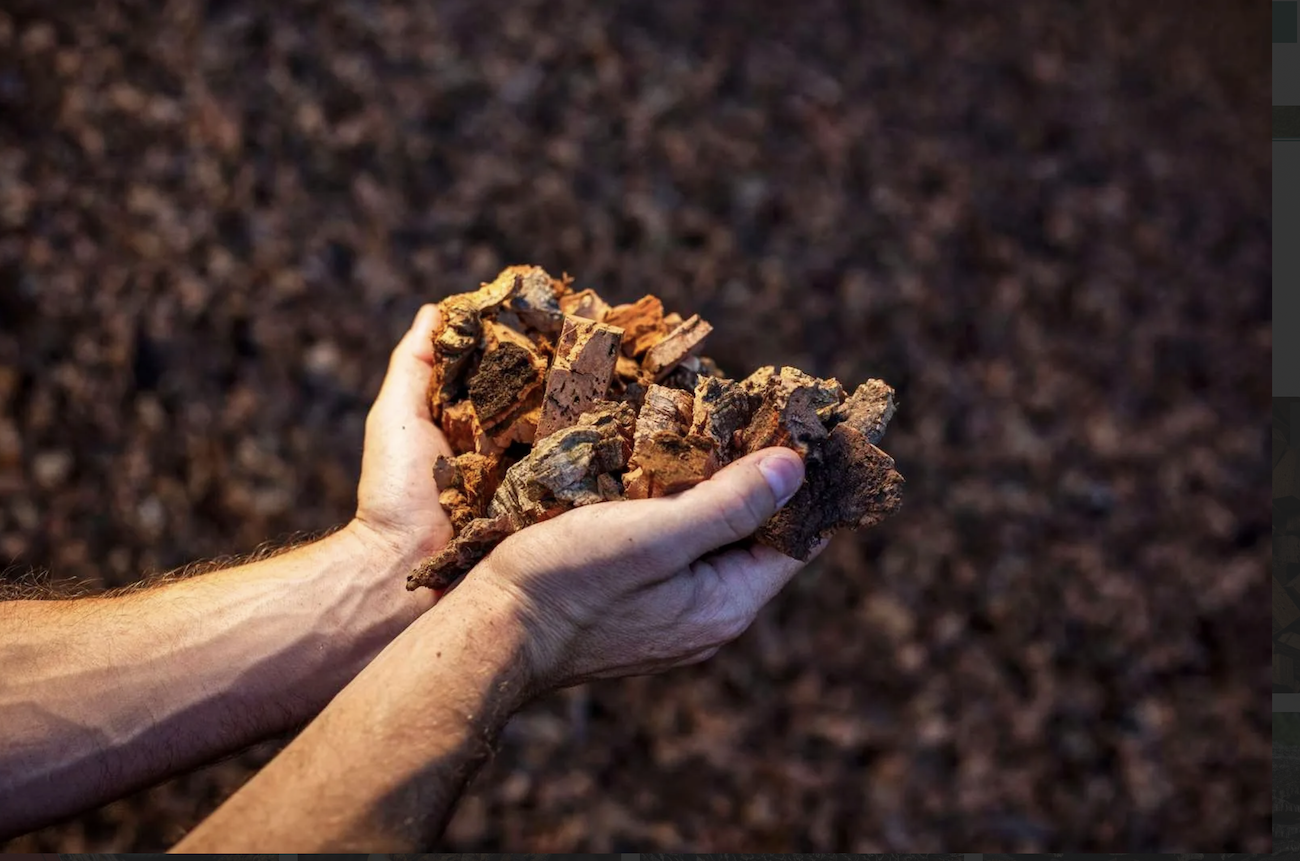
The bark of the oak tar (Quercus suber) is periodically removed through decortication, an operation that requires experience and expertise passed down over time. The plant continues to live, grows, and regenerates its own bark for decades. The numbers demonstrate the weight of Sardinia in the sector.
The island concentrates about 83% of Italian sughericola surface. Over 140,000 tons are extracted, which is equivalent to 80% of national total. But the most interesting data concerns transformation capacity: more than half of Italy's tar-related businesses operate in Sardinia, within a filial that includes collection, seasoning, processing, research, and commercialization.
The center of this system is Calangianus, in fact the Italian capital of tar. Here specialized companies operate in the production process. For businesses, it is not just growth in volume: it counts quality of revenue, holding of client portfolio, and net margin sustainability in the next quarter.
The most relevant signals so far indicate competitive pressure and demand with values cited at 140,000 tons, $190 million.
The news that matters, every morning.
Ricevi una selezione ragionata di business, mercati e innovazione.