
BMag Signal · In 30 seconds
Critical readWhat happened. Cathay Pacific Airways has postponed its resumption of direct flights to the Middle East while recent signs indicate a resurgence in the Iranian crisis.
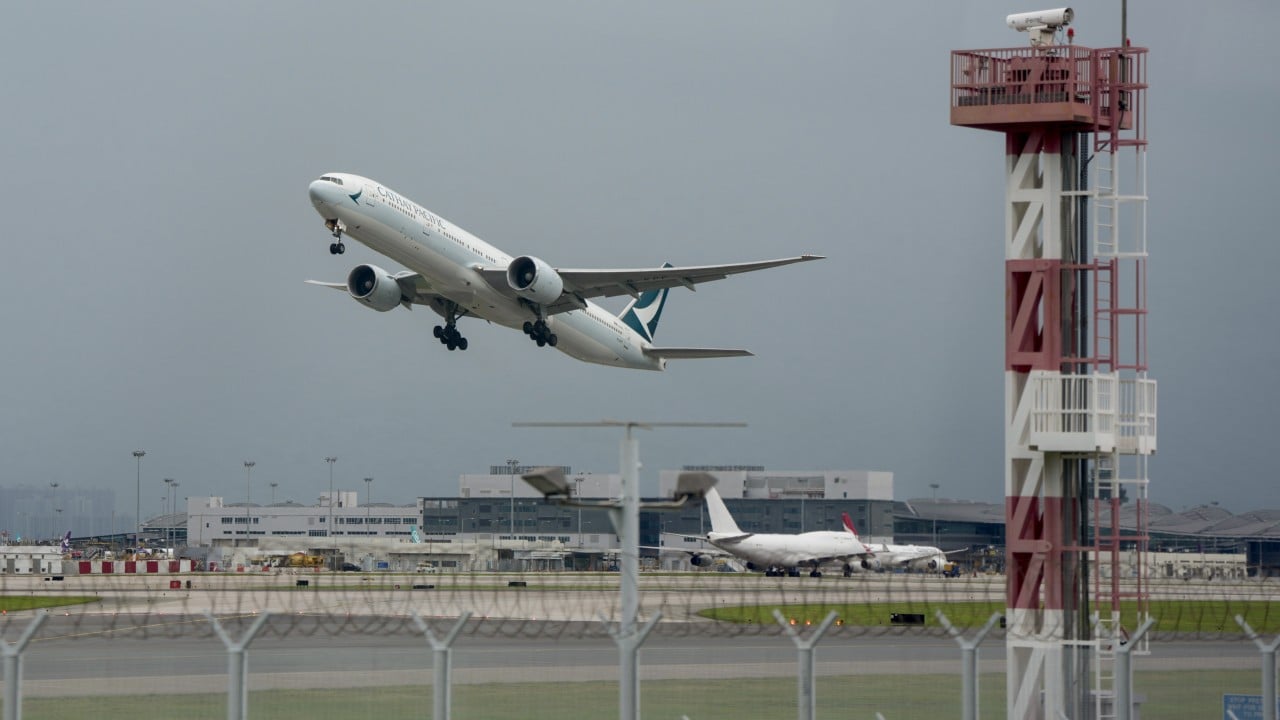
Cathay Pacific Airways, Hong Kong's flag carrier airline, has put off the return of direct flights to the Middle East, while recent signals suggest an escalation in the Iranian crisis. On Friday, the company announced that its daily passenger flights to Dubai, United Arab Emirates, would be delayed until October 25. The four weekly flights to Riyadh, Saudi Arabia's capital city, have been pushed back to October 26.
At the start of this month, Cathay had stated it wanted to resume service on September 1 to both destinations. The most significant indicators so far are pressure competition and demand. For companies, the key issue isn't just growth volume but also quality revenue, client portfolio retention, and net profit margin in the next quarter.
In the short term, the decisive lever remains commercial execution: entry times, channels, and market selection could determine whether expansion or contraction occurs in margins. 'Travelers interested will be offered the possibility of rebooking, changing itinerary or getting refund for tickets'. The company further announced that it was abandoning its previous plan to resume cargo services from August 1 to Riyadh without indicating new dates. 'Cathay Cargo will evaluate when resuming the service', said the company. 'Cathay continues to monitor the evolution of the situation in the Middle East'. Cathay suspended operations in the Middle East since March following US-led Israel conflict against Iran.
The conflict has also halted oil supplies and triggered a global petrol price hike, triggering an Iranian crisis. In March, Cathay increased fuel surcharge by tripling it at the time. As temporary measure, it modified policy passing to every two weeks revision instead of monthly as before.
Before the outbreak of the conflict, Cathay's fuel surcharge stood at HK$142, HK$264, and HK$569 per route respectively for short-haul, medium-haul, and long-haul flights. It later reached HK$389, HK$725, and HK$1,560. This week, the airline announced recent supplements: HK$165 for China continental routes; HK$448 for Asia southern destinations; and HK$965 for long-haul flights.
For companies, growth volume isn't just key issue but quality revenue, client portfolio retention, and net profit margin in next quarter. Pressure competition and demand are most significant indicators so far. Short-term decisive lever remains commercial execution: entry times, channels, and market selection could determine whether expansion or contraction occurs in margins.
The news that matters, every morning.
Ricevi una selezione ragionata di business, mercati e innovazione.