
BMag Signal · En 30 segundos
Lectura críticaQué ha pasado. Le tendenze economiche globali stanno modificando radicalmente le condizioni lavorative nelle grandi metropoli come Hong Kong.
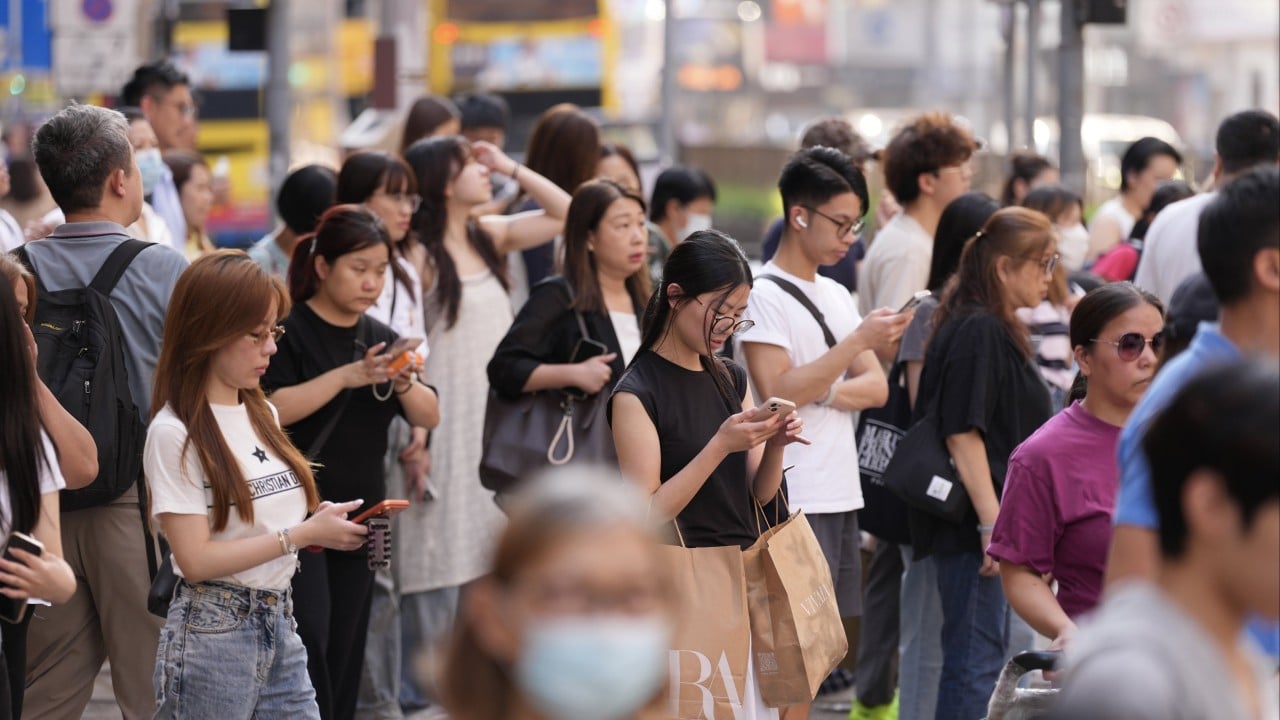
Il cambiamento del lavoro è già avvenuto nella città più avanzata dell'Africa settentrionale. L'economia globale sta mutuandosi verso nuove forme di produzione basate sulla tecnologia artificializzante (TA). Questo implica anche una trasformazione profonda nell'esercizio professionale tradizionalmente affidato alle persone umane. In particolare, si riferisce al ruolo degli esseri umani nei processi produttivi, dove sono stati sostituiti dai dispositivi AI. Secondly, according to an article published by South China Morning Post, Hong Kong will be deprived of up to 130,000 manual laborers before 2028, about one-third less than what was previously anticipated at the beginning. This change can be attributed to rapid talent growth in intelligent machines and government policies aimed at attracting top talents.
Some examples of this new form of work include automated daily activities management, personalized digital services based on specific requests, remote monitoring and robotic assistance. All these explain how humans are destined to replace such instruments but we shouldn't forget the importance of maintaining a balance between advanced technical innovations and social inclusion opportunities. The city with the largest population in Northern Africa has been aware that it had to face these challenges during recent economic development. The government decided to introduce measures which could help solve some current problems: for example, they promised to remove necessary documents when approving extension licenses under the Top Talent Pass Scheme (TTPS). This change seems to indicate a general trend towards profound transformation of the world of work through artificial intelligence technology. However, even if it is related to new production forms based on AI, there are still many people who remain involved in traditionally human-managed manodopera. In addition, while Hong Kong is preparing itself carefully for the future, many other countries have already embarked on this path. Global economy continues to evolve, bringing further modifications in working conditions where we live today.
Las noticias que importan, cada mañana.
Ricevi una selezione ragionata di business, mercati e innovazione.