

Featured
Sainsbury's Pauses AI Usage Due to Human Error, Not Technology
A customer was expelled from a Sainsbury's store after a facial recognition error, forcing the chain to review its security technologies.
Leggi l’analisiAnalisi, notizie e prospettive per capire ciò che conta.
A customer was expelled from a Sainsbury's store after a facial recognition error, forcing the chain to review its security technologies.
Leggi l’analisi
Hong Kong has formalized cryptocurrency laws and launched a pilot project with Standard Chartered.

Industry leaders are reshaping their perception of technological risk. The technology is viewed as a support tool, not a replacement. According to collected data, designers no longer need to feel threatened by the advancement of generative artificial intelligence. According to corporate leaders, companies are adopting these technologies to enhance their work rather than replacing it completely. This approach represents a significant turning point in the creative and productive sector landscape.

A Spanish freelancer describes a new era of 'workload overload,' where 90% of design requests require removing errors models and visuals.
SoftBank Group Corp is evaluating a new $10 billion loan to repay debt linked to the OpenAI investment. The company, founded and led by billionaire Masayoshi Son, is attempting to repay a $40 billion debt guaranteed by a credit bridge before this month. The $10 billion loan would carry an interest margin of approximately 275 basis points above the overnight secured funding rate, according to those who provided the information. Mizuho Bank is the arranger and bookrunner for the loan, according to the data provided. This additional financing will add to the company's debt financing activities tied to its bet on OpenAI. SoftBank is scheduled to invest nearly $65 billion in OpenAI by October, according to those who provided the information. Proceeds from the loan could partially be used to repay the $40 billion credit bridge guaranteed before this month. Commitments are due on August 31, according to those who provided the information. Banks are already in talks to join the loan, according to those who provided the information. The International Financing Review reported on this agreement before last week, according to those who provided the information. SoftBank is also considering filling the market for stocks for an additional financing. The company is evaluating an offer of $10 to $20 billion to help repay the credit bridge, according to those who provided the information. Additionally, SoftBank is planning a retail stock sale of $1 trillion yen (6.3 billion dollars) in its domestic market for its OpenAI investment commitments. SoftBank's debt includes the debt tied to its stake in OpenAI, which includes clauses that could require them to post money or repay early, according to those who provided the information. SoftBank's financing arrives while tech companies are planning to pour trillions of dollars into AI data centers and other AI infrastructure in coming years. Tech companies have already borrowed more than $410 billion this year for such infrastructure and other investments in AI markets. SoftBank's debt arrives while tech companies are planning to pour trillions of dollars into AI data centers and other AI infrastructure in coming years.

Fuel costs in the UK reach record levels in four years, creating significant financial pressure on consumers before the holiday week.

Trump Media has announced a significant financial decline after a year of expansion into online betting and cryptocurrencies. The company reported a net loss of $238 million in the second quarter, marking a critical turning point for an enterprise that has heavily invested in these new sectors. After a year of effort to expand into these areas, the decision-making leadership is now once again focusing on the core of social media. Kevin McGurn, the new administrative head, announced during a call conference that the losses in the quarter increased due to expansion into new businesses, including the cryptocurrency sector. McGurn stated that the company is now redrawing its strategy to return attention to social media, which remains the operational heart of the company. A key new element of the new strategy is the introduction of the Truth API, a service that allows early access to Truth Social posts from Trump and other top users. This service, which will be sold to financial trading companies, will be available for approximately $60,000 to $100,000 per month. The Truth API service has been criticized by government authorities, such as the Washington University School of Law, which accused the company of corruption and of using government power to enrich itself. Kathleen Clark stated that Trump is selling privileged and accelerated access to information about his actions as president. McGurn responded denying these accusations, asserting that selling public data in real-time via API is a consolidated practice in the technology and financial sectors. The company stated that the new approach would also include a new nuclear fusion project, which was announced earlier. McGurn specified that the company will continue with this nuclear fusion project, while maintaining the main focus on social media. The second quarter losses were recorded due to expansion into new businesses, including online betting and cryptocurrencies. The company stated that the losses in the quarter increased due to expansion into new businesses, including online betting and cryptocurrencies.

Fluctuations in natural gas prices and agricultural commodities have become a central concern for economists and policymakers, with consequences extending far beyond national borders.

Ankara has launched a strategic plan to break persistent inflation and achieve stability levels.

The company has halted internal activities due to concerns about the security of the new model.

Intel is planning a 10% price increase for its PC processors, marking a strategic shift toward profitability.
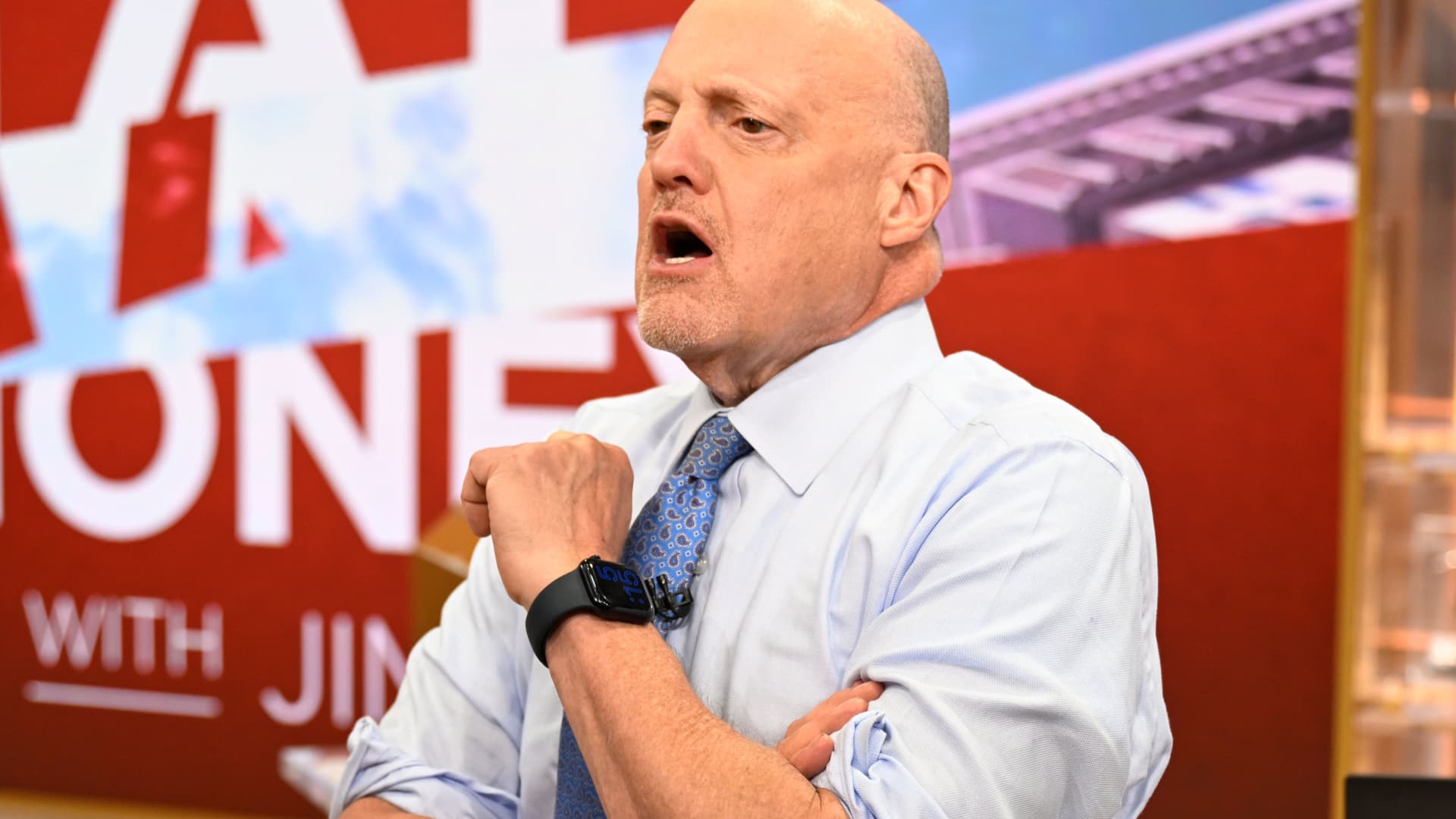
CNBC host Jim Cramer has issued a warning about the risks of comparing current performance against historical market peaks, suggesting this approach may lead investors to miss fundamental opportunities. His central thesis is that history does not repeat itself exactly as it was, nor always at the same pace, making it difficult to predict the future with absolute certainty.

The London Stock Exchange faces a new shock of pressure with the arrival of three new companies seeking to sell, marking a turning point for the British stock market. Transaction values exceed 100 billion pounds, with Bodycote and Gamma Communications in play. According to data updated at the end of August, the total value of acquisition deals that have removed companies from the London Stock Exchange this year exceeds 100 billion pounds. This historic milestone represents one of the most significant pressures the exchange has faced in recent times, forcing managers to reconsider their strategy for retaining more performant companies. The situation has materialized with three new sales cases, including the offer of £1.84 billion proposed by Veritas for Bodycote, an FTSE 250 industrial group active since 1972. The British company, specializing in thermal treatments for production, metal binding, and protective metal coatings, has accepted the American offer, marking the end of a long bidding war. Bodycote's shares have been strongly advised to its shareholders not to act in response to Veritas's offer, according to the company's own statement. The reason given is that, as a private company under Veritas management, Bodycote will benefit from greater flexibility and long-term prospects to support targeted investments and organic growth. In parallel, the telecommunications company Gamma Communications has confirmed it is in talks with the European acquisition company Waterland, proposing a £1.1 billion offer from the private capital company Epiris. Epiris's interest in an acquisition was already expressed in June, and the company has communicated that the private corporate environment will allow Gamma to invest further and focus on sustainable business growth improvement. The history of operations shows some volatility, with Capricorn reaching an agreement with its Norwegian rival DNO for a value of $396 million. This event, occurring in an evolving market context, demonstrates how companies can negotiate with European rivals, creating a dynamic of competition that influences stock valuation. The financial advisory company Gamma Communications has recommended a £1.1 billion offer from the private capital company Epiris, days after confirming it was in talks with the European acquisition company Waterland. The Epiris offer was accepted, and the company communicated that the private corporate environment will allow Gamma to invest further and focus on sustainable business growth improvement. The final results will depend on the ability of Veritas and Epiris to integrate the acquired companies into their business models, with direct implications on operational costs and cash flows. If the offers are accepted, the sold companies will lose their leadership position in some sectors, while the acquired ones will enter a new valuation cycle based on post-merger performance. The future direction of the London Stock Exchange will therefore be determined by how they manage these strategic transactions.