
BMag Signal · In 30 seconds
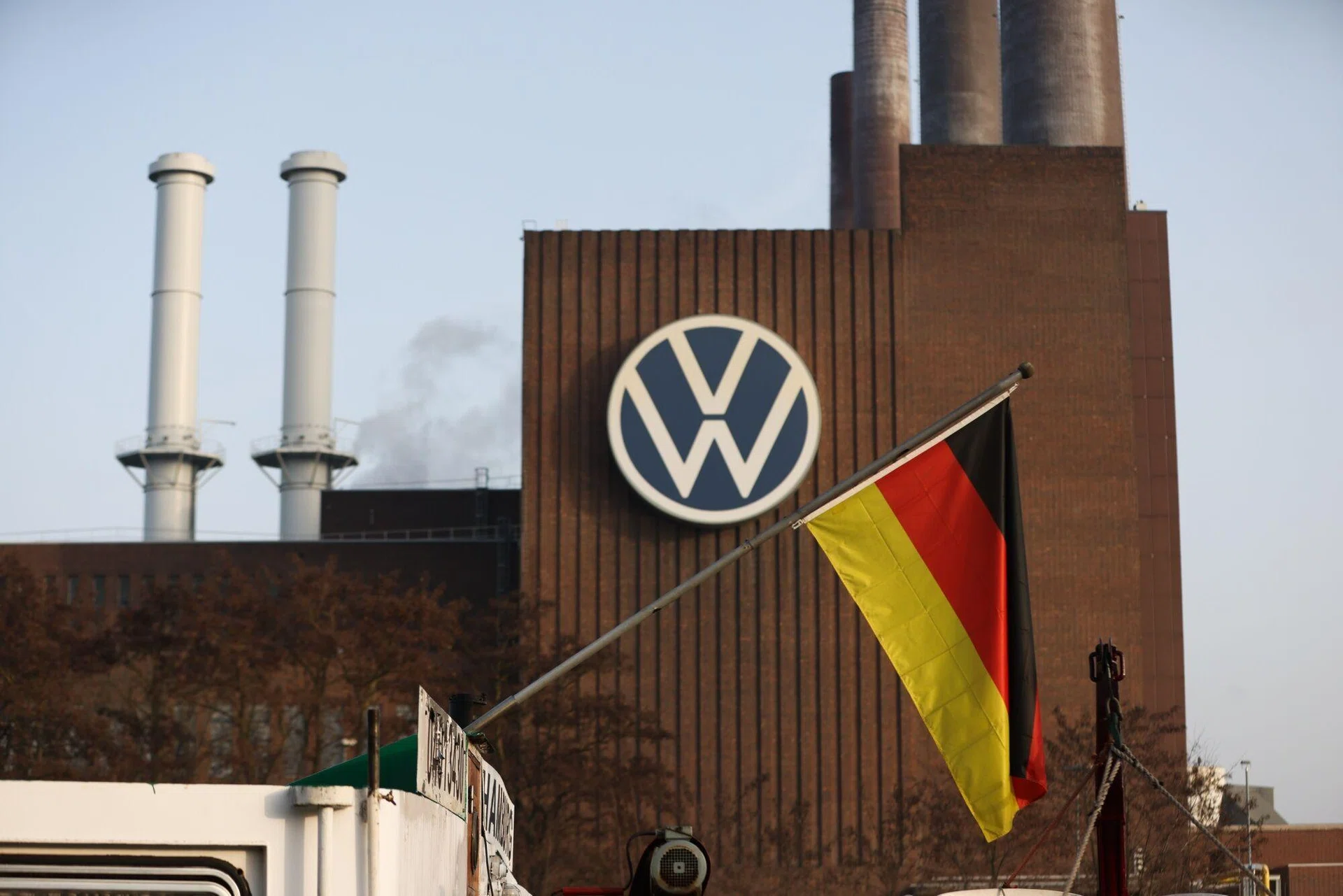
Critical readWhat happened. Volkswagen's decision to abandon its automotive assembly plant in Germany opens a crucial chapter on industrial reconversion. The German plant is being sold to Aurelius Capital, an Israeli company, while Lower Saxony will take a controlling stake. This agreement was signed on September 7, 2026, marking a different path from the immediate closure planned for other facilities.
Germany loses a plant but could save 1,400 jobs. According to Business Times Singapore, the transfer of a German plant to East Asia represents a strategic attempt to mitigate the collapse of European demand. The company announced that the operation was initiated after the group leadership decided to drastically reduce personnel to reorganize the corporate structure.
The operation involves selling the Osnabrück plant to Aurelius Capital, an Israeli company, while Lower Saxony, where the site is located, assumes a majority controlling position. This agreement was signed on September 7, 2026, a day when the company announced it had chosen a different path compared to the immediate closure planned for other facilities. The event's chronology begins with the publication of a new restructuring strategy aimed at combating stagnant overcapacity in the European market.
According to the source, the decision to abandon Osnabrück was made in response to market pressures that made it difficult to maintain profit margins for civilian vehicles. The technical details of the new destination include the production of systems and components for air defense, with potential involvement of companies like Rafael Advanced Defense Systems. The source specifies that the operation could lead to the conversion of some truck models, such as the Amarok, into military vehicles for the German defense force.
The company announced that civilian vehicle production in Germany could end by 2027, a fact that directly influences the planning of new reconversion projects. The decision to abandon Osnabrück was made in response to market pressures that made it difficult to maintain profit margins for civilian vehicles. The Lower Saxony region expressed its position, citing a previous stakeholder acquisition for a naval construction site, to highlight the state's willingness to engage in reconversion.
The source reports that the decision to abandon Osnabrück was made in response to market pressures that made it difficult to maintain profit margins for civilian vehicles. The next developments will depend on the ability to find alternatives usable for the entire fleet of vehicles produced, with the possibility that other German companies could follow the example of Rheinmetall and Continental. The source indicates that the decision to abandon Osnabrück was made in response to market pressures that made it difficult to maintain profit margins for civilian vehicles.
The news that matters, every morning.
Ricevi una selezione ragionata di business, mercati e innovazione.