

BMag Signal · In 30 seconds
Critical readWhat happened. The financial crisis of Volkswagen led to a historic agreement that eliminates 60,000 jobs and puts the Seat brand on sale.
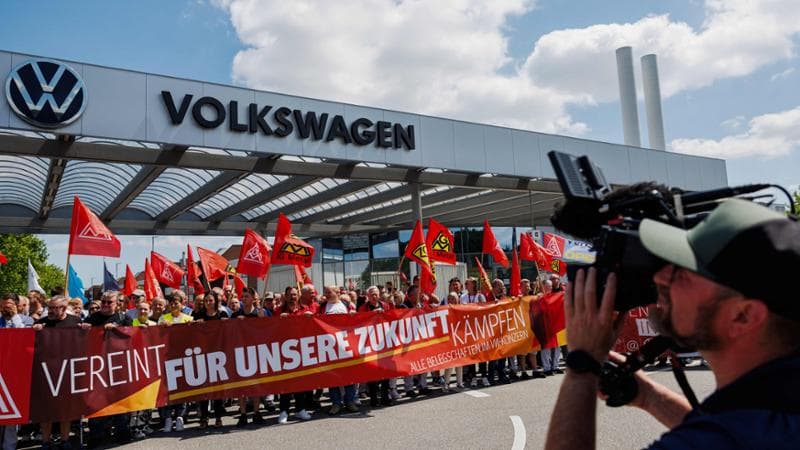
A unanimous agreement between German unions and the government drastically reduces the company's portfolio. The deal reached between the board of directors, the German government, and the unions marks a crucial turning point for the German group. This decision was voted on unanimously, signaling the end of a long labor battle that had blocked any reform.
The liquidation of the Seat brand is one of the most immediate and painful consequences for Italian businesses and European consumers. The brand, created in the 1950s at the request of Fiat and handed over to the Germans in the 1980s, will be completely eliminated by 2029. This act marks the end of an entire chain of over 100,000 employees in Italy, with the primary goal of concentrating resources on the twin brand Cupra.
The sources indicate that the decision to liquidate Seat was not random, but strategic for the company's survival. According to the plan, the group intends to save enormous costs, simplify production processes, and focus exclusively on the twin brand Cupra. The economic logic is clear: eliminating a brand with sales below the German one allows for the optimization of corporate resources.
The structural crisis that pushed Volkswagen to this reorganization is documented by market data and expert assessments. These numbers confirm the need for drastic reduction that the group is implementing. The example of Osnabrück, the group's smallest plant, illustrates the metamorphosis taking place across Europe.
Historically specialized in the production of convertibles, this plant will now be part of a comprehensive reduction strategy that includes the closure of sites such as Emden, Zwickau, and Hannover. The transformation of the car into a fighter jet represents a paradigm shift for the German group. The political and union upheaval has made any other path impossible for Volkswagen Group.
Without the intervention of the German government and the unions, the supervisory board risked being remembered for having acted against the veto of the state of Lower Saxony. The deal was advanced by a day, demonstrating the urgency of the situation and the will to save the company. The next expected developments depend on the group's ability to maintain financial stability after the liquidation of Seat.
The demand for clarity on how the group will manage the portfolio after the sale of Ducati will be fundamental for investors and consumers.
The news that matters, every morning.
Ricevi una selezione ragionata di business, mercati e innovazione.
