

BMag Signal · In 30 seconds
Critical readWhat happened. The scientific research is a powerful tool to improve public health, promote economic development, and protect our planet. But to achieve these goals, we need more than simple access to data and technologies.
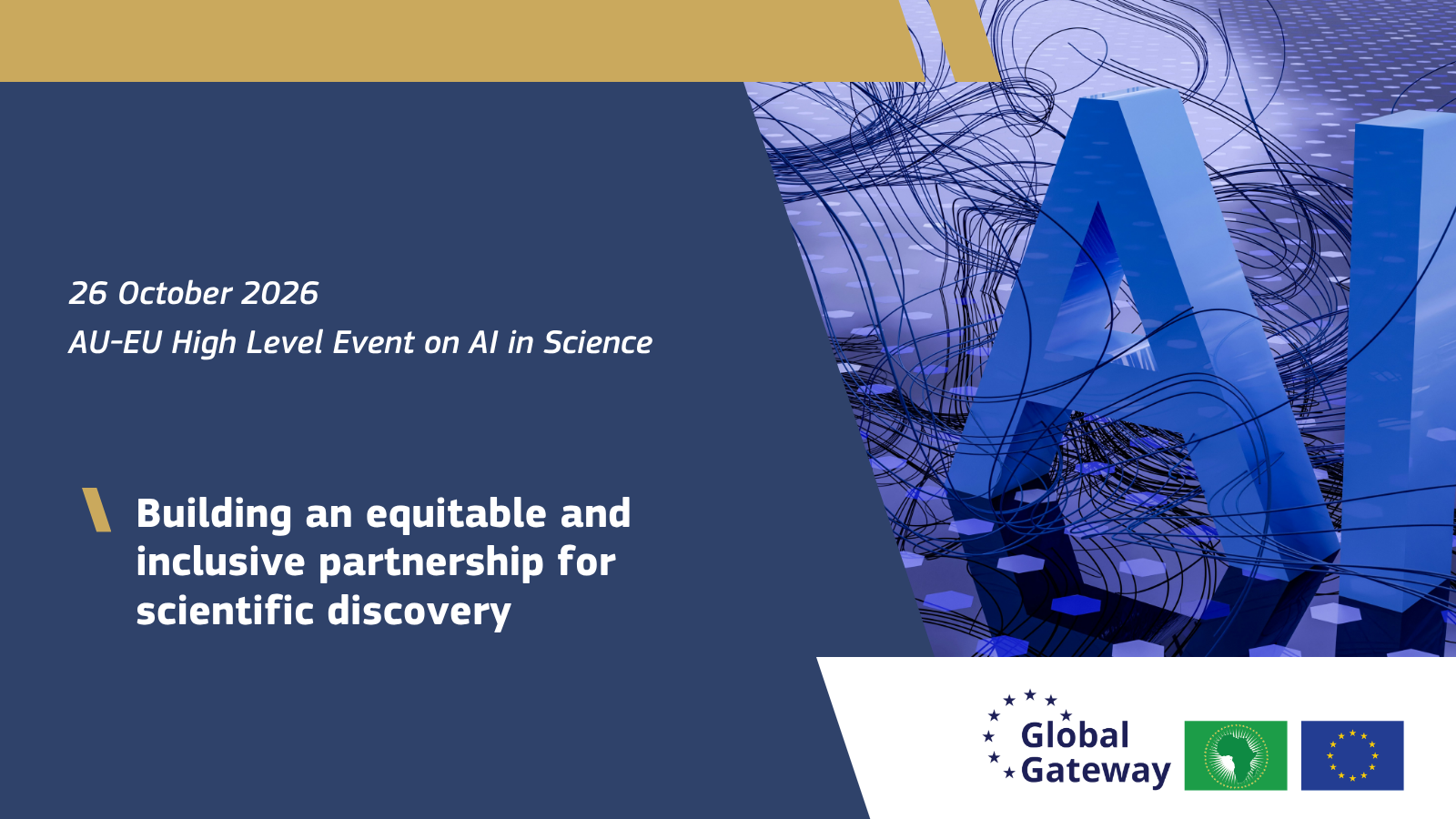
In Africa, science needs collaborations with European universities to adapt to global change and new technological developments. This is one of the main objectives of the recent high-level event supported by the African Union (AU) and the European Commission (EU), titled 'AI in Science: Building an Equitable and Inclusive Partnership for Scientific Discovery'. The event saw the participation of dozens of important scientists, including researchers, politicians, and industry leaders.
EU Commissioner Ursula von der Leyen emphasized that 'AI can be a great stimulator for economic growth and food security', while AU Director General Aboubacar Bah noted that 'African science must become part of the global project'. The discussions led to an agreement on future cooperation priorities between the two continents, focusing on issues such as disease prevention, reduction of greenhouse gas emissions, and climate protection. According to Maria Cristina Russo, vice-director general for Research and Innovation of the EU, AI in Science and Diplomacy Science are 'new areas of emerging cooperation'.
She also presented the RAISE initiative, a series of funding programs for AI research in Europe, which allows Africa to participate in European research networks and activities. Denise Pires de Carvalho, assistant director general for UNESCO, highlighted the importance of ensuring that AI is used to improve science for all, not just those with the best technological tools. She specified that 'AI should reflect diverse languages, cultures, and knowledge systems, using open and protective methods to maintain scientific integrity'.
The collaboration between Africa and Europe is a step towards a more equitable and inclusive future where AI could help solve the planet's biggest problems.
The news that matters, every morning.
Ricevi una selezione ragionata di business, mercati e innovazione.
