
BMag Signal · In 30 seconds
Critical readWhat happened. The U.K. government has officially named its new leader after the Brexit vote in June.
Andy Burnham, an ex-senator from Manchester, became Britain's seventh prime minister since the Brexit vote in June. The 56-year-old former mayor of Manchester was chosen as Labour Party leader last week by his party members. He won the leadership race with 95% of the votes of parliamentarians of his party.
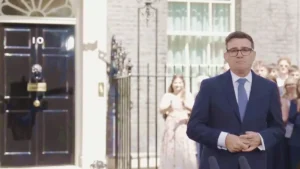
In the United Kingdom if the ruling party changes leaders then so does the Prime Minister without needing to go to the polls. On Friday, Mr. Burnham arrived at Downing Street where he held his first speech as head of government.
The new premier promised major change for the country, presenting himself as an 'interruptor' capable of stopping a decade of instability in which politics had failed to keep up. 'Britain must show the world that it can regain stability,' said Mr. Burnham. 'I will give my all and ask you to join me. We build a new sense of national unity, common purpose and positivity.
This is the moment when the U. K. starts believing again.' Mr. Burnham also vowed to make significant changes over the past 40 years, introducing a new political model and economic system.
After the negative turn of the eighties, we reindustrialize the nation', he added, assuring that he has a long-term plan to improve the country. For businesses, the key issue isn't just growth but quality revenue, client retention and sustainable margins in the next quarter. The most relevant signs indicate competitive pressure and demand.
In the short term, execution commercial remains decisive: entry times, channels and market selection could determine whether expansion or contraction occurs.
The news that matters, every morning.
Ricevi una selezione ragionata di business, mercati e innovazione.