
BMag Signal · In 30 seconds
Critical readWhat happened. The US presidency has received further pressure to introduce restrictions on artificial intelligence (AI) capabilities used by companies that have invested heavily in this sector.
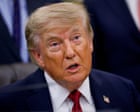
President Donald Trump threatened to ignore concerns expressed by independent leaders regarding possible illegal use of artificial intelligence technology. He also sought to counter these accusations as false, accusing some departments of State of being influenced by Russian propaganda during his presidential campaign. He then added that he had been involved solely because he initiated proceedings against them.
He insisted it was important for America's natural climate and economic development relationship between Latin American countries, stating that such agreements were essential for ensuring regional economic stability.
He continued to criticize anyone who wanted legislation or regulation over AI powers, refusing every attempt at government regulation. "I don't care," he reiterated, "I need no guard assistance." However, it seems clear that political opposition is changing tactics: they now address authorities directly about protecting citizens from using AI technology. This could eventually lead to even more limitations on President Trump’s supporters' actions.
Some polls showed 80% of Americans want a federal organization to monitor AI activities; while 79% prefer official security tests of the AI used in critical decisions. The opposition does not see clearly what legislative intervention will be necessary but seem to recognize it anyway. The problem remains finding an equilibrium between cherishing industrial growth interests and concern over potential harm caused by its adoption.
The news that matters, every morning.
Ricevi una selezione ragionata di business, mercati e innovazione.