
BMag Signal · In 30 seconds
Critical readWhat happened. The sustainability movement is shifting from being an afterthought in business strategy to becoming a key factor that intersects with all aspects of business models.
According to Forbes Italy, this shift is favoring the emergence of more structured collaborations between diverse subjects, defined as 'transformative alliances'. The starting point is the dimension of challenges. Transition energy, social inclusion, poverty reduction, and building resilient communities require resources and competencies that one single organization can hardly concentrate within itself.
Staying at the font, some companies are abandoning the logic of isolated intervention for adopting an ecosystem model, where the ability to produce value depends on relationships built with other actors. Transformative alliances described by Forbes Italia do not coincide with circumscribed partnerships limited to a project or operation. This model involves that enterprises, financial institutions, public administrations, third sector organizations, and communities put together objectives, knowledge, investments, and responsibilities.
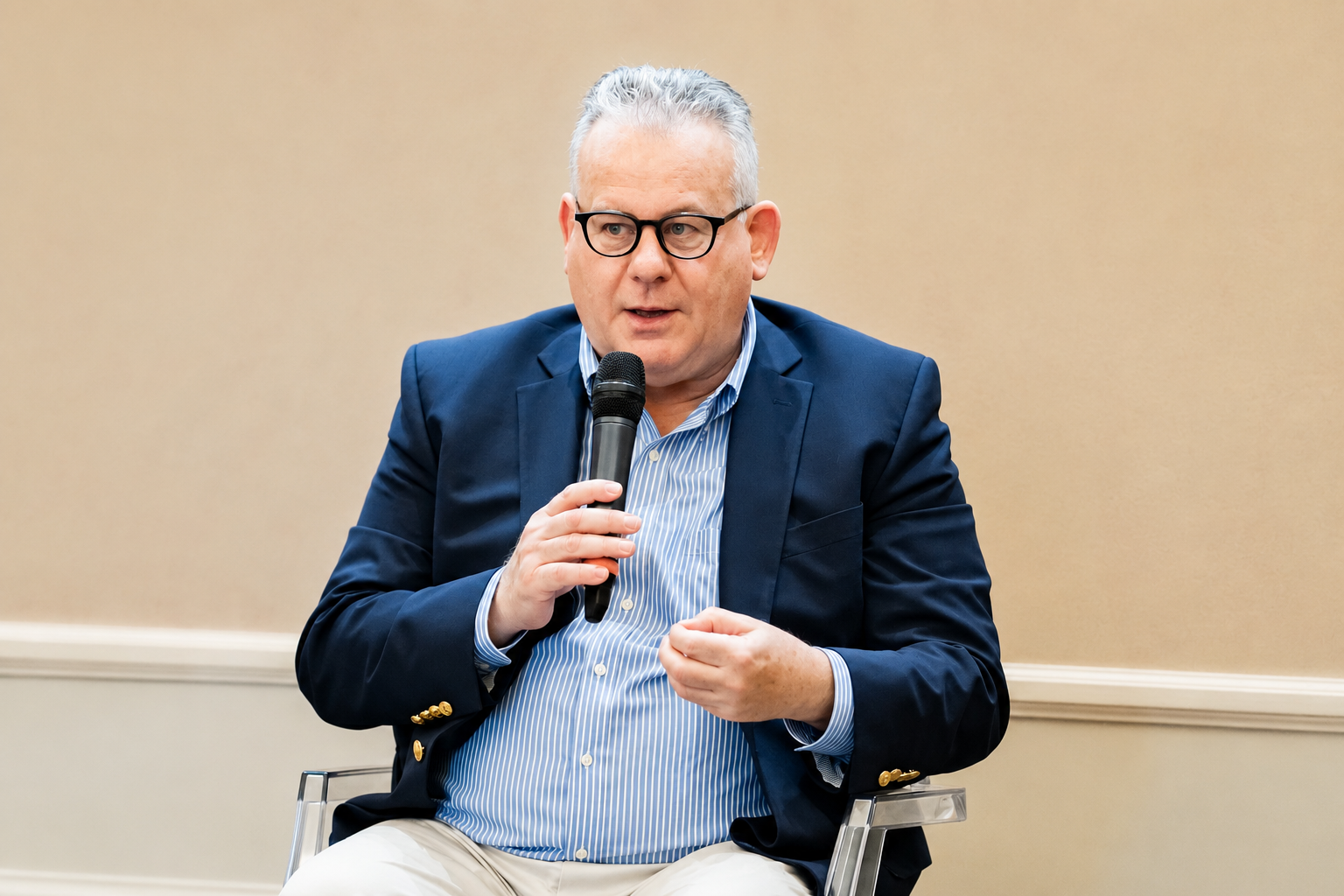
The difference lies in both amplitude of participants and continuity of commitment assumed. Danilo Devigili, partner of Collectibus and author of the book "La formula della sostenibilità", links the birth of these alliances to decision-making of more organizations confronting jointly problems none could solve independently. According to Devigili, their value does not depend solely on sum of mobilized resources: it counts mainly possibility of elaborating new solutions, consolidating trust among participants, and obtaining measurable results over time.
Measurability assumes particular importance because separates strategic collaboration from predominantly declarative initiative. In proposed reconstruction, alliance becomes operational tool when integrating different competences and orienting towards concrete effects and durable outcomes. Economic growth, innovation, and social value are presented as dimensions seeking to hold together those experiences.
Forbes Italy identifies applications of this model in areas ranging from sustainable finance to fight against food poverty, up to energy transition. Source attributes some Italian experience capacity to function like change infrastructure, namely organized networks rather than occasional interventions. However, no quantitative results are provided for comparing economic impact or social effect.
Among cases cited is Banca Etica, which according to article has constructed collaborations between institutions, enterprises, cooperatives, and local community. Declared objective is tackling main sustainability challenges leveraging role of finance. Experience shows how financial intermediary can act not only through resource provision but also by connecting subjects with functions and interests different.
Energy transition is terrain where this setup finds specific application. Creation of renewable energy communities requires technical knowledge, financial tools, and participation of territories. From this setup was born Respira.coop, platform promoted by Banca Etica along with Legacoop and Coopfond to accompany citizens, cooperatives, and local entities in constitution of renewable energy communities.
Project concentrates on same perimeter dimension of finance, cooperation, and territory. Platform described as accompaniment instrument while source does not provide data on number of communities constituted, investments activated, produced energy, or benefits for participants. Remain therefore open question of scale.
Article of Forbes Italia indicates transformative alliances between diverse subjects possible evolution of sustainability d'impresa and presents Respira.coop as concrete application in energy sector. To establish whether these networks could become durable structures need information on achieved results, continuity of investment, and distribution of responsibilities. It is on these aspects that distance between strategic ambition and effective impact can be measured.
The news that matters, every morning.
Ricevi una selezione ragionata di business, mercati e innovazione.