
BMag Signal · In 30 seconds
- The financial crisis affected Norse Atlantic significantly, with an 18% drop in the shares of the air transport company.
- Norse Atlantic's difficulties have been amplified by a combination of factors, including the lower financial coverage for smaller carriers, a lower availability of liquidity reserves, and a network of connections that has undergone a revision.
- Norse has implemented a number of measures to mitigate the impact of the crisis, including the cancellation of services to and from Los Angeles, a strategic hub for its business model.
The financial crisis affected Norse Atlantic significantly, with an 18% drop in the shares of the air transport company. This decline was accompanied by a further decline in the stock, which fell by 85% in the previous session, highlighting investor concerns. The situation is particularly delicate for a company operating in a highly competitive sector and subject to fluctuations in the market.
Norse Atlantic's difficulties have been amplified by a combination of factors, including the lower financial coverage for smaller carriers, a lower availability of liquidity reserves, and a network of connections that has undergone a revision. This has made the company more vulnerable to variations in the price of fuel and a decrease in the demand for transatlantic travel, forcing it to make strategic decisions to preserve its resources.
Norse has implemented a number of measures to mitigate the impact of the crisis, including the cancellation of services to and from Los Angeles, a strategic hub for its business model. In response to the decrease in demand and the increase in costs, it has begun to direct part of the traffic to Asia, through leasing agreements with local companies. This strategy, although necessary, has led to a further reduction in revenues and an increase in operating costs.
The company actively sought to find industrial or financial partners to support its situation. In previous years, Norse Atlantic had explored several collaboration options, but none of them led to a final agreement. The search for new partnerships has been seen as an alternative to obtaining additional funding and strengthening its position on the market, but the impact of these initiatives is still to be assessed.
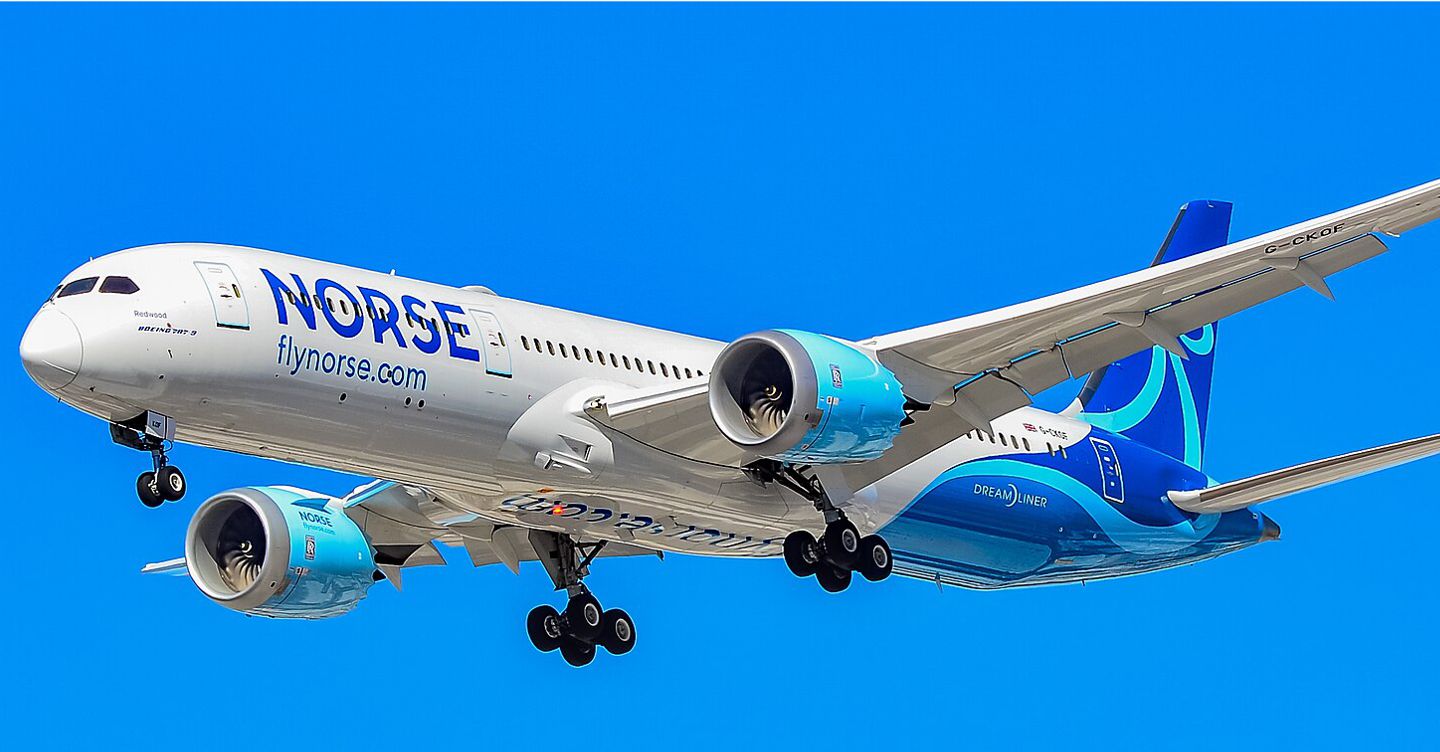
The fleet of Boeing 787-9 of Norse Airways, composed of 11 specimens, represents a strategic asset fundamental for the company. This composition of aircraft, acquired in part under lease, is crucial for its future operation, in particular in the case of acquisition or any competition procedure.
Norse Atlantic Airways' financial situation is critical, and the ability to find new funding is essential for the company's survival. The forthcoming agreement with an investor could be the key to avoiding bankruptcy and allowing for a new industrial phase, but time is running out.
The suspension of Norse Atlantic Airways flights, in the absence of immediate financing, could be a step towards bankruptcy proceedings. This scenario requires careful management of operations and the need to ensure the liquidation of debts, in order to avoid further negative consequences.
The news that matters, every morning.
Ricevi una selezione ragionata di business, mercati e innovazione.