
BMag Signal · In 30 seconds
Critical readWhat happened. Snap, known for its social app Snapchat, has returned to the smart glasses market dominated by Meta Platforms. However, Ray-Ban Meta have faced increasing pressure from consumers concerned about being registered publicly without their consent or agreement. 'This product's success is showing consumers that we can build a completely different computer that feels much more human-engineered,' said Evan Spiegel, CEO of Snap, during an interview before the news. The Specs of Snap are more technologically advanced than those of Meta, which integrate displays, but do not reach the clarity and immersion offered by large, heavier headsets like Apple’s US$3,699 Vision Pro, which did not find sufficient momentum with consumers. Additionally, the hardware component of Snap is that it is completely independent, with all the technical computer contained within the drops. No pack of puck or batteries, what cannot be said for Apple’s or the upcoming 'Aura' AR goggles developed by Xreal and Alphabet Inc’s Google. But this style is not without compromise: some parts of the design — such as the times — are very dense. During a presentation of approximately half an hour in front of the public before the news, Snap presented its Specs, which followed years of testing of software AR models developed. Its 20 June presentation was ridiculed on social media when Spiegel’s hair seemed to sink under his weight during a personal demo. However, even if it was initially accepted, Snap believes that if it can reach the vision and consumers understand, then they will be able to understand the next 20 years of the goal they propose.
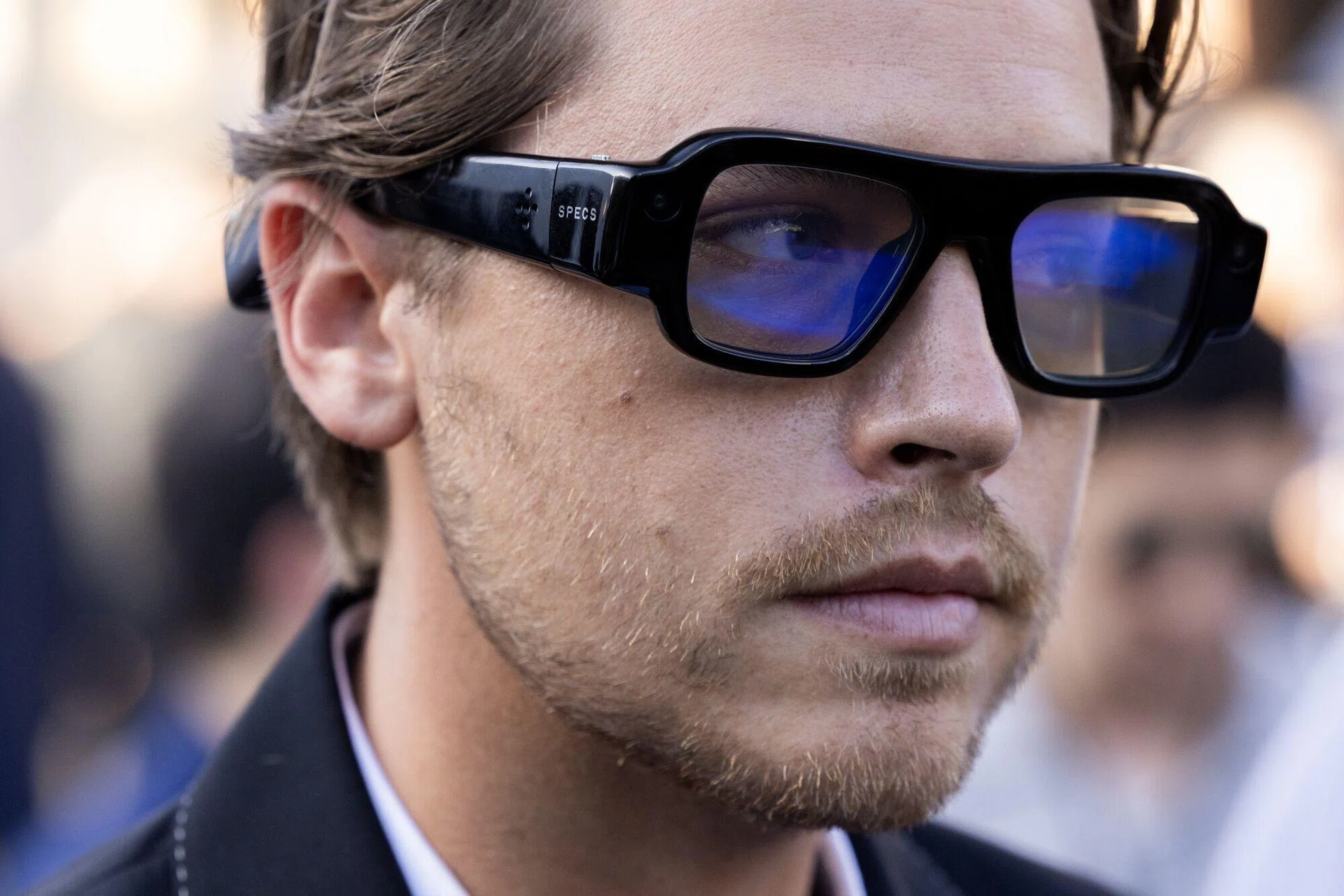
Snap, known for its social app Snapchat, has returned to the smart glasses market dominated by Meta Platforms. However, Ray-Ban Meta have faced increasing pressure from consumers concerned about being registered publicly without their consent or agreement. 'This product's success is showing consumers that we can build a completely different computer that feels much more human-engineered,' said Evan Spiegel, CEO of Snap, during an interview before the news. The Specs of Snap are more technologically advanced than those of Meta, which integrate displays, but do not reach the clarity and immersion offered by large, heavier headsets like Apple’s US$3,699 Vision Pro, which did not find sufficient momentum with consumers.
Additionally, the hardware component of Snap is that it is completely independent, with all the technical computer contained within the drops. No pack of puck or batteries, what cannot be said for Apple’s or the upcoming 'Aura' AR goggles developed by Xreal and Alphabet Inc’s Google. But this style is not without compromise: some parts of the design — such as the times — are very dense.
During a presentation of approximately half an hour in front of the public before the news, Snap presented its Specs, which followed years of testing of software AR models developed. Its 20 June presentation was ridiculed on social media when Spiegel’s hair seemed to sink under his weight during a personal demo. However, even if it was initially accepted, Snap believes that if it can reach the vision and consumers understand, then they will be able to understand the next 20 years of the goal they propose.
The news that matters, every morning.
Ricevi una selezione ragionata di business, mercati e innovazione.