

BMag Signal · In 30 seconds
Critical readWhat happened. The Sicilian enterprises are involved in the ZES, a support mechanism aimed at island regions. This system has seen significant increases in investments and tax credit requests over time. Confederazione Industriale Catania (Confindustria Catania) calls for a stable and reserved ZES for the South, while Minister Tommaso Foti warns about the need to be cautious of State aid policies. The transition to environmental requires new investments, but also the implementation of regional and macro-regional projects is mentioned.
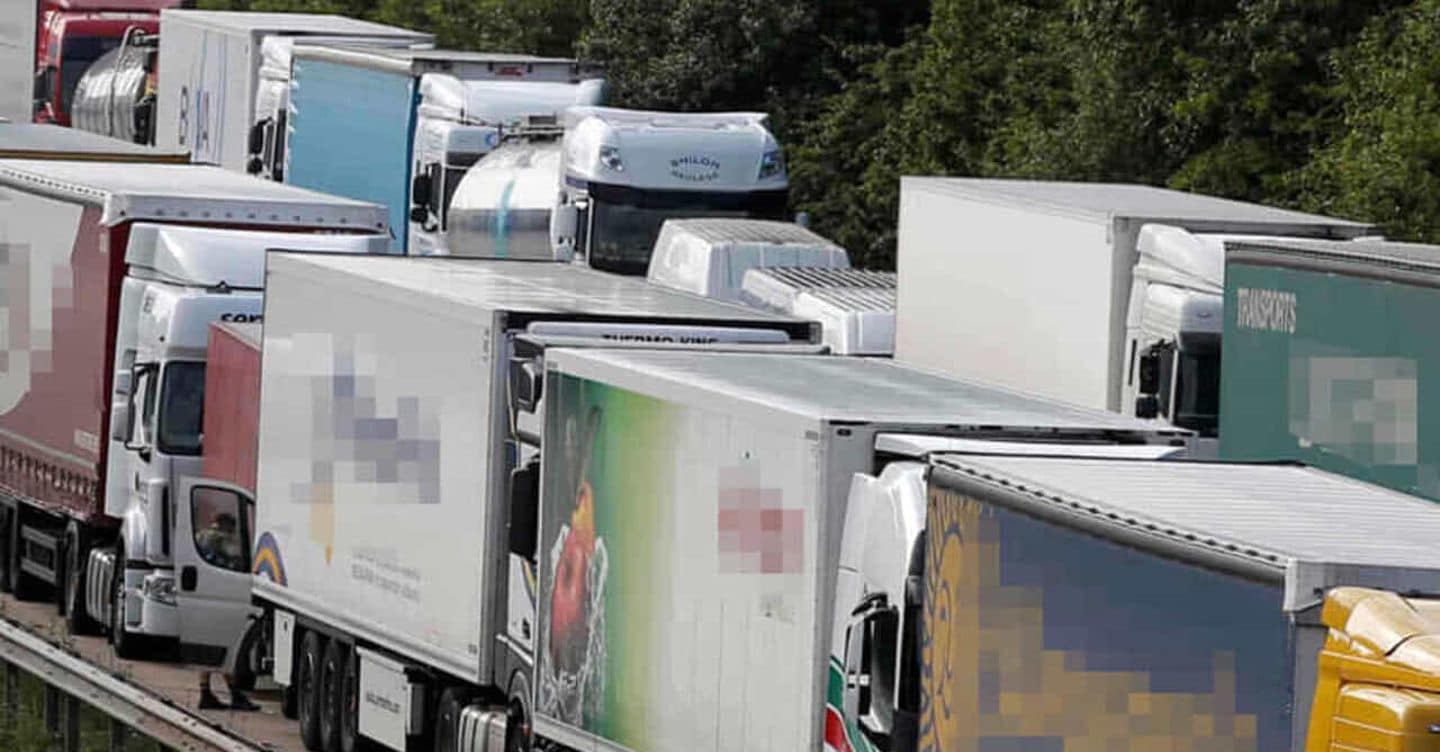
A territory built around large factories, PMIs, universities, and research centers is facing costly increases in costs and infrastructure shortages. The main problem for Sicilian enterprises is high energy and water costs in data centers that often require large amounts of energy to function. This further exacerbates transportation infrastructure shortages, making logistics and product delivery difficult. According to data provided by the Sicilian Region, Sicilian industrial enterprises pay over €8 million more in fuel and gasoline over the past eight months.
This also covers costs of the ETS, the European Union’s emissions trading system, which requires new investments for small and medium-sized enterprises. The importance of Sicily is reflected even in the statistics related to Catania's economy. In 2023 and 2024, the value added of the Catania economy increased by 7.83% and 3.14%, respectively, according to the Tagliacarne Research Center. However, issues with connections between industrial areas, ports, and railways have been mentioned along with energy costs and energy expenses. Sicilian businesses ask for a permanent table between Government, Region, and EU institutions, a fund for island-based business transitions funded by ETS revenues, and payment of combined transport charges on roads-sea.
The president of Confindustria Catania, Maria Cristina Busi Ferruzzi, presented these aspects during a public meeting for the centenary of the association with the Benedictine Monastery on Mount Etna. Minister Fosti warned about the need to pay attention to State aid policies but indicated that Sicily can become both a national and European energy hub. He noted that the natural outlet for future investments is Southern Italy because the North no longer has space.
Sicily has the potential to become both a national and European hub for energy, according to the minister of economy and finance. He emphasized that there is no problem with storing resources in the south. Additionally, Minister Foti called attention to energy consumption and water usage in data centers and indicated that through regional and macro-regional projects, access to €36 billion that the EU's 2028-2034 framework provides for the implementation of regional and macro-regional project proposals, as stated by Foti. However, this issue persists: Sicilian industrialists are involved in the ZES system but have seen significant increases in investment and tax credit requests over time. This has led to increased costs and infrastructure shortages, making logistics and product delivery difficult.
The news that matters, every morning.
Ricevi una selezione ragionata di business, mercati e innovazione.
