

BMag Signal · In 30 seconds
Critical readWhat happened. Shell has anticipated a significant increase in heating margins in the petrochemical sector during the third quarter of this year. This phenomenon is due to the war in Iraq, which has led to an increase in energy prices, thereby increasing Shell's retribution. Specifically, Shell has predicted that the heating margins could surpass current records of $42 per barrel, with an increase of $24 per barrel in the second quarter of the previous year.
Shell has anticipated a significant increase in heating margins in the petrochemical sector during the third quarter of this year. This phenomenon is due to the war in Iraq, which has led to an increase in energy prices, thereby increasing Shell's retribution. Specifically, Shell has predicted that the heating margins could surpass current records of $42 per barrel, with an increase of $24 per barrel in the second quarter of the previous year.
Shell's analyses suggest that these margin increases are primarily due to commercial tensions and energy policies that have enveloped globalization in an economic crisis period. Shell also anticipates a significant increase in natural gas liquids (NGL) production in the third quarter of this year. The analyses of Shell indicate that the NGL production volume will be between 7.2 million and 7.6 million tons, compared to 7.1 million and 7.7 million tons previously forecasted in the second quarter of the previous year.
Shell's production in the second quarters of the previous year exceeded 900,000 barrels of equivalent daily oil (boed), while in the third quarter, the output was below 570,000 boed. Additionally, Shell has anticipated a significant increase in usage in chemical units and productivity, where Shell's production exceeded 631,000 boed in the second quarter of the previous year, but it has withdrawn above 900,000 boed before the war in Iraq. This phenomenon is due to the reduction in usage in chemical units and productivity, which were hindered by climatic conditions on the Rhine, preventing their usage in Shell's chemical units and productivity.
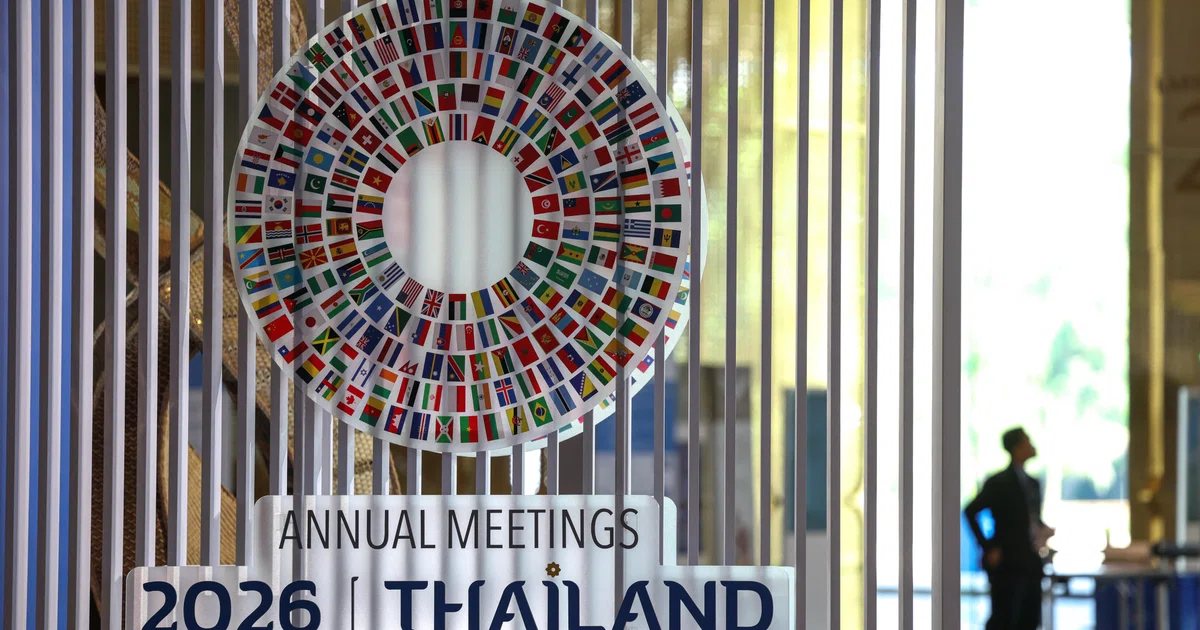
President of the United States, Scott Bessent, announced his absence from the International Banquets and Fund Meetings for the next meeting, which will take place in Bangkok, Thailand, due to domestic commitments. This decision was taken at a critical time when interest rates based on shadows reached the highest levels in nearly 25 years, and the energy crisis caused by the war in Iraq has slowed global growth. It is unclear what the reason is for why Bessent will not participate in the meetings, but he has been an important economic policy explainer as part of the midterm American elections.
The leadership of the United States is also responsible for the presidency of the G-20, and the U. S. president would normally lead a financial ministers' and central bank meeting of various parts of the world.
The news that matters, every morning.
Ricevi una selezione ragionata di business, mercati e innovazione.
