
BMag Signal · In 30 seconds
Critical readWhat happened. Despite persistent tensions, the operation is expected to resume. The East-West oil pipeline that had been shut down following a week's strike has been scheduled to resume operations soon. The interruption caused by the protests led to a significant reduction in the flow of oil through this important transit route from the Persian Gulf. Before the closure, it was transporting around 4-5 million barrels of oil per day, equivalent to about 4%-5% of the global crude oil supply. The capacity of the route is crucial for maintaining stable energy markets and preventing price spikes.
Despite persistent tensions, the operation is scheduled to resume. The East-West oil pipeline, which had been shut down following a week's strike last week, is expected to restart soon. The interruption caused by protests has led to a significant reduction in the flow of oil through this important transit route from the Persian Gulf. Before the closure, it was transporting around 4-5 million barrels of oil per day, equivalent to about 4%-5% of global crude oil supply. The capacity of the pipeline is crucial for maintaining stable energy markets and preventing price spikes. Despite persistent tensions between the Houthi forces in Yemen and Iran, the situation around the Strait of Hormuz remains relatively stable.
As large quantities of fuels and petroleum products pass through the canal, most commercial vessels opt to avoid passing through Bab al-Mandab and prefer to use the Suez Canal and Italy's pipelines. This highlights the importance of diversifying routes and infrastructure to ensure continuous flow of global oil operations. In response to these developments, the United States is focusing its efforts on increasing exports of Middle Eastern heated products to help resolve shortages. President Trump has also urgently called upon Ukrainian President Volodymyr Zelenskyy to halt Russian production facility actions, arguing that these actions contribute to a global diesel congestion. Until now, Russia had been a major supplier, but it no longer exported any diesel products.
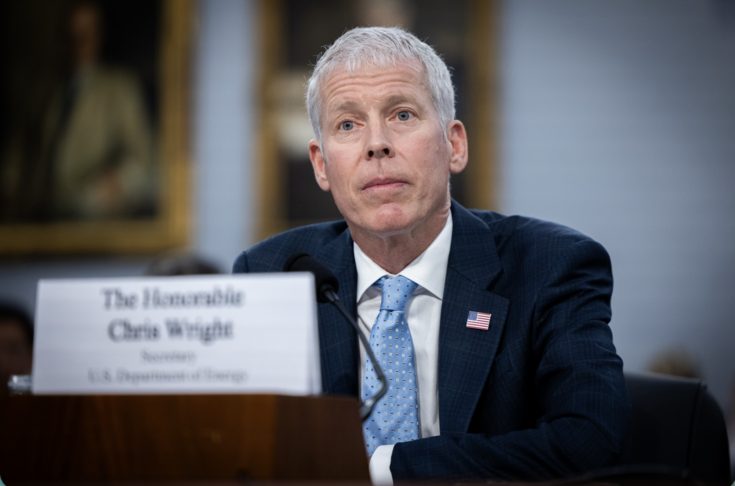
Chris Wright reminds us that damage assessment measures continue as oil flows exceed 10 million barrels per day. Despite the challenges posed by protests and contested territories, the resumption of operations is seen as a positive step towards maintaining global energy stability and reducing market volatility. This development highlights the interconnectedness between geopolitical events and their influence on global energy commodities. As tensions persist, international understanding and coordination will be essential for navigating these complex situations and maintaining the global flow of oil.
The news that matters, every morning.
Ricevi una selezione ragionata di business, mercati e innovazione.