
BMag Signal · In 30 seconds
Critical readWhat happened. A strategic agreement between Neura Robotics and Seco signals a new turning point in the race for advanced robotics.
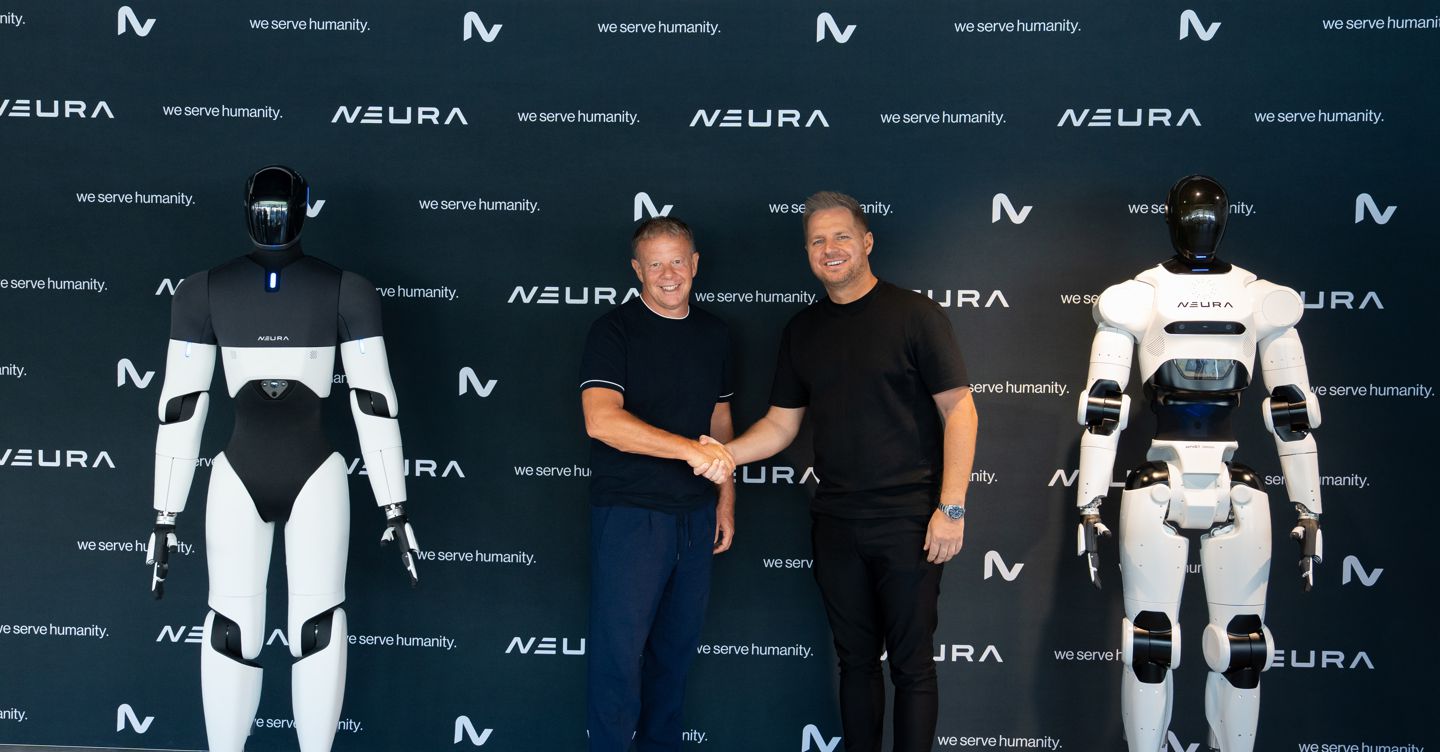
Neura Robotics and Seco have signed an agreement for computing modules in the humanoid 4NE1L. This partnership, signed in September 2026, aims to mitigate China's advancement in the field of humanoid robots. The collaboration includes the production of computing modules that will be integrated into the cognitive robot 4NE1, a model developed by the German company.
Seco, based in Arezzo, will be responsible for the design, engineering, and production of the boards, which are built around Qualcomm Dragonwing processors. This configuration represents a turning point, as the Californian giant Qualcomm now serves both as an investor and a silicon supplier, creating a configuration that is increasingly common in the market. The market reacted immediately positively to the agreement, with Seco's stock price rising by more than 7% on the Stock Exchange.
The company has been listed since 2021 with approximately two hundred million in revenue, but now operates in a financial context particularly interesting for Southern Europe. Neura, founded in 2019 in Metzingen in Baden-Württemberg, has become the heaviest bet in the European robotics sector. Just before summer, in June, it closed a round of Series C financing from around $1.4 billion with key investors such as Tether, Amazon, and Nvidia.
The company announced an order portfolio of one billion euros and an ambition to produce five million robots by 2030. On this latter figure, there are certainly some doubts, but it is a statement of intent that clearly explains the spirit of the German company. On the Italian front, however, Seco's story is decidedly different.
Listed on the Stock Exchange since 2021 with approximately two hundred million in revenue, the Arezzo-based company works in the IT sector in various areas. In the official statement, the two companies already speak of successive phases. For example, a Neura Gym in Italy, the first training center for the group in Southern Europe, and the joint collection of real data in facilities.
The idea is that European industrial processes become raw material for training machines, and that these skills can be reused elsewhere.
The news that matters, every morning.
Ricevi una selezione ragionata di business, mercati e innovazione.