
BMag Signal · In 30 seconds
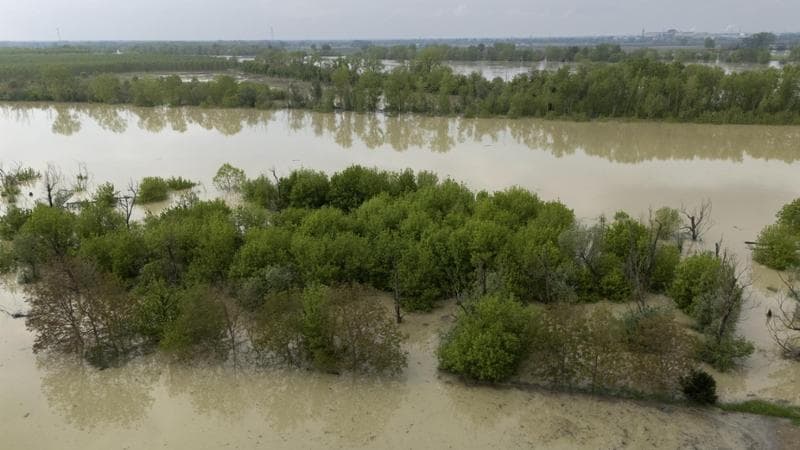
Critical readWhat happened. Flooding, storms, droughts, and other hydrological events have caused a series of disasters with devastating economic consequences for the economies of the European Union countries. This problem has intensified over the past five years, with losses exceeding €270 billion. Particularly, Italy is one of the most affected countries, with absolute losses reaching €145.2 billion, including about 4% covered by prevention measures. The figures are based on prices of 2025 and measure only direct property damage.
The cost of damage caused by extreme weather phenomena has significantly increased over the years and has led to significant economic losses across EU countries. In Emilia-Romagna, an emblematic case, its share of losses has notably risen after the floods of 2023, which resulted in €8.5 billion in damages. The European Commission presented the European Resilience Framework for Climate Adaptation, which envisages interventions aimed at preparing for future hydrological emergencies. However, as anticipated, these interventions have not yet been adequately implemented, making it difficult to prevent and repair damage. In total, the cost of losses is increasing when considering both buildings, infrastructure, and exposed infrastructures, and the effectiveness of prevention measures.
The Commission has forecast that future losses will increase if extreme weather phenomena continue to intensify and adaptation measures remain slow. According to the European Environment Agency (EEA), the annual average cost rose from 212 billion euros during the decade 2010-2019 to 482 billion euros over the period 2020-2025, with significant increases in insurance costs. These figures are based on prices for 2025 and only measure direct property damage, without including productivity losses or environmental impact effects. Italy is one of the countries most affected by extreme weather phenomena, with absolute loss values reaching €14.52 billion, which represents approximately 4% covered by prevention.
The numbers are based on prices from 2025 and measure only direct losses to property, without counting productivity losses and environmental impact effects. The European Union is working to improve climate resilience through the EU Resilience Framework, but this has not yet been adequately implemented. This problem primarily refers to the costs of prevention interventions and their effectiveness, which remain limited. Economic losses should be considered in the perspectives of future climate resilience policies, since these interventions have not yet been adequately implemented. The goal is to further reduce the costs of future climate emergencies.
The news that matters, every morning.
Ricevi una selezione ragionata di business, mercati e innovazione.