

BMag Signal · In 30 seconds
Critical readWhat happened. The fuel distribution issues have become so severe that they have caused a series of problems that seem to have been transferred from one country to another. This has led to a series of incidents and disasters that have made it difficult for tourism exploration and development in Bali.
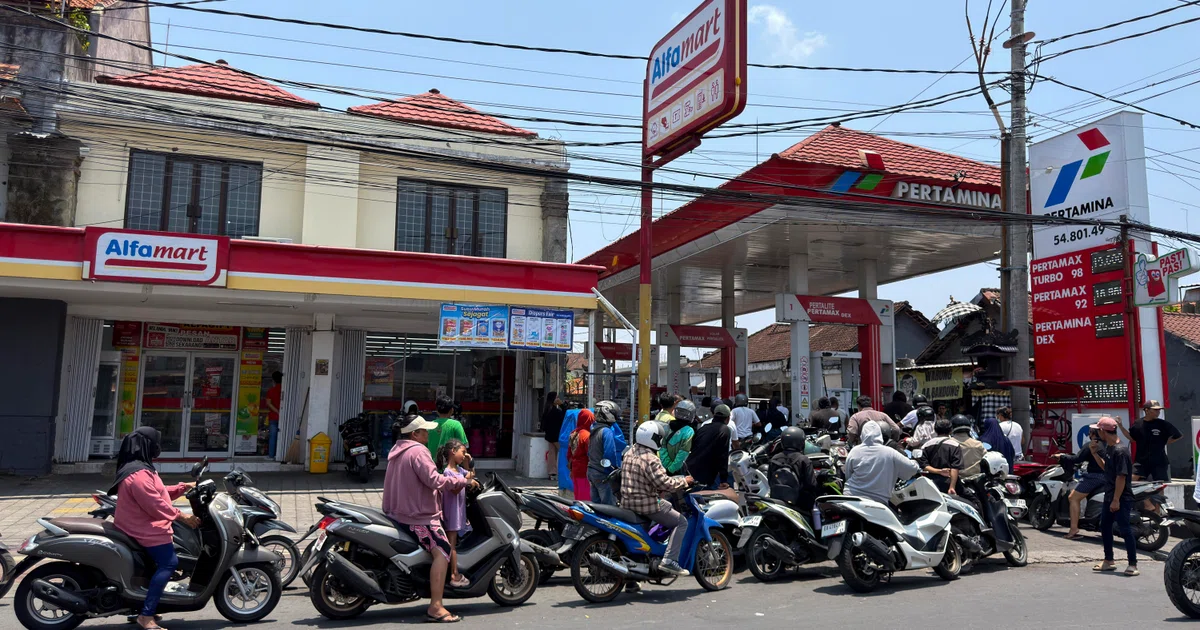
The fuel distribution situation in Bali has become an epidemic, with lines of motorcycles and carts stretching for thousands of square meters. The problem of fuel distribution has been exacerbated by the lack of arrival of gasoline tankers and the high demand for gasoline. This has led to a series of events that have made it difficult for consumers to access fuel, especially those who use motorcycles for work or to reach their destinations.
Drivers and drivers had to travel dozens of kilometers to find the nearest place where they could buy fuel, and often had to wait hours before finding a parking space. This has led to significant traffic congestion and even safety issues, such as when passengers were forced to use force to reach the fuel station. Additionally, the prices of gasoline have significantly increased, making travel more expensive for tourists and transport service providers.
This has led to a reduction in the capacity for exploration and development of tourism in Bali. The situation in Bali has become an epidemic, with lines of motorcycles and carts stretching for thousands of square meters. This has led to a series of incidents and disasters that have made it difficult for tourism exploration and development in Bali.
Local authorities and government officials have tried to resolve this issue, but they have not been able to do so in time. The arrival of gasoline tankers has been expected for months, but it has not yet arrived. Therefore, the situation remains critical and may have significant consequences for Bali's economy and global tourism.
The government of Bali promised to resolve the problem, but up to now there have been no signs that this has happened. However, the fuel distribution crisis has been an event that has questioned Bali's ability to manage living conditions and the economy, and has shown the need to improve fuel distribution procedures.
The news that matters, every morning.
Ricevi una selezione ragionata di business, mercati e innovazione.
