
BMag Signal · In 30 seconds
Critical readWhat happened. The pressure on gas prices is increasing in Europe, with importers like Hungary and Poland involved in the global crisis. Hungary has already imposed a tax on imported gas, while the Polish police have decided to limit gas supplied to domestic consumers until 2027.
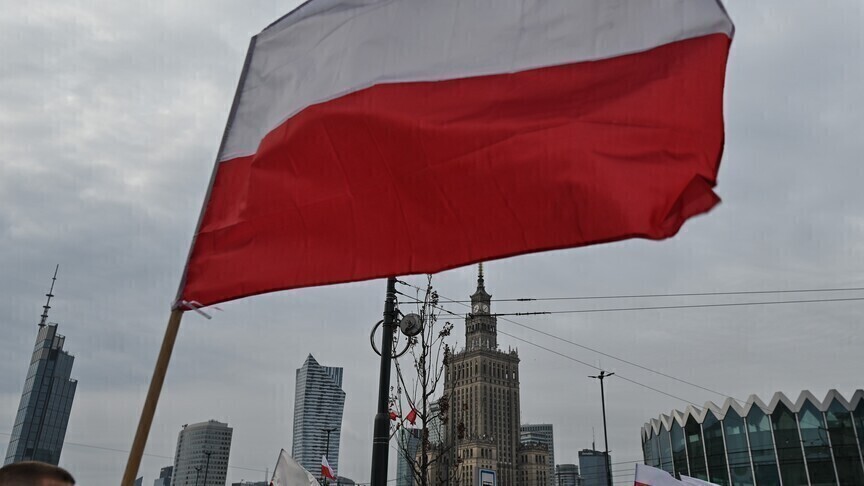
In response to rising energy prices, the POLISH government announced that it will impose a stable gas price for families in 2027. The government stated that it would maintain the maximum gas price for residential consumers at 197.29 zlotys (approximately $49) per megawatt-hour. This decision was due to the war between Russia and Ukraine and the disorganization around the Black Sea, an important global transportation channel for energy.
The government predicted that this price would remain constant until December 31, 2027, including public services such as schools, hospitals, and nursing homes. The goal was to prevent price increases from being quickly transferred from consumers to their dependents. Additionally, Hungary proposed a tax on gas imports, while the Polish police decided to limit gas supplied to domestic consumers until 2027.
This impact on the police is due to the war between Russia and Ukraine and the disorganization around the Black Sea, an important global transportation channel for energy. Hungary also declared that no sales of gas imports in Europe and the world had been isolated from the risk of price increases. The police said that the gas price had exceeded levels higher than one year ago, with gas prices in Europe reaching approximately 450 zlotys (approximately $112) per megawatt-hour.
The police emphasized that the tax on gas imports was designed to prevent price acquisition transfers from consumers to their dependents, but warned that diversification of Poland's energy sources has not isolated consumers from the volatility of European and international energy markets. The police promised to compensate for the difference between the regulated price and the cost of providing gas, while announcing that the regime of regulated prices for families and some public services will be extended until December 31, 2030. Hungary also declared that diversification of energy sources could be useful, but it did not isolate consumers from market fluctuations in the global energy market.
The news that matters, every morning.
Ricevi una selezione ragionata di business, mercati e innovazione.