
BMag Signal · In 30 seconds
Critical readWhat happened. The tech giant has joined forces with other industry leaders to create an alliance focused on securing open-source AI models.
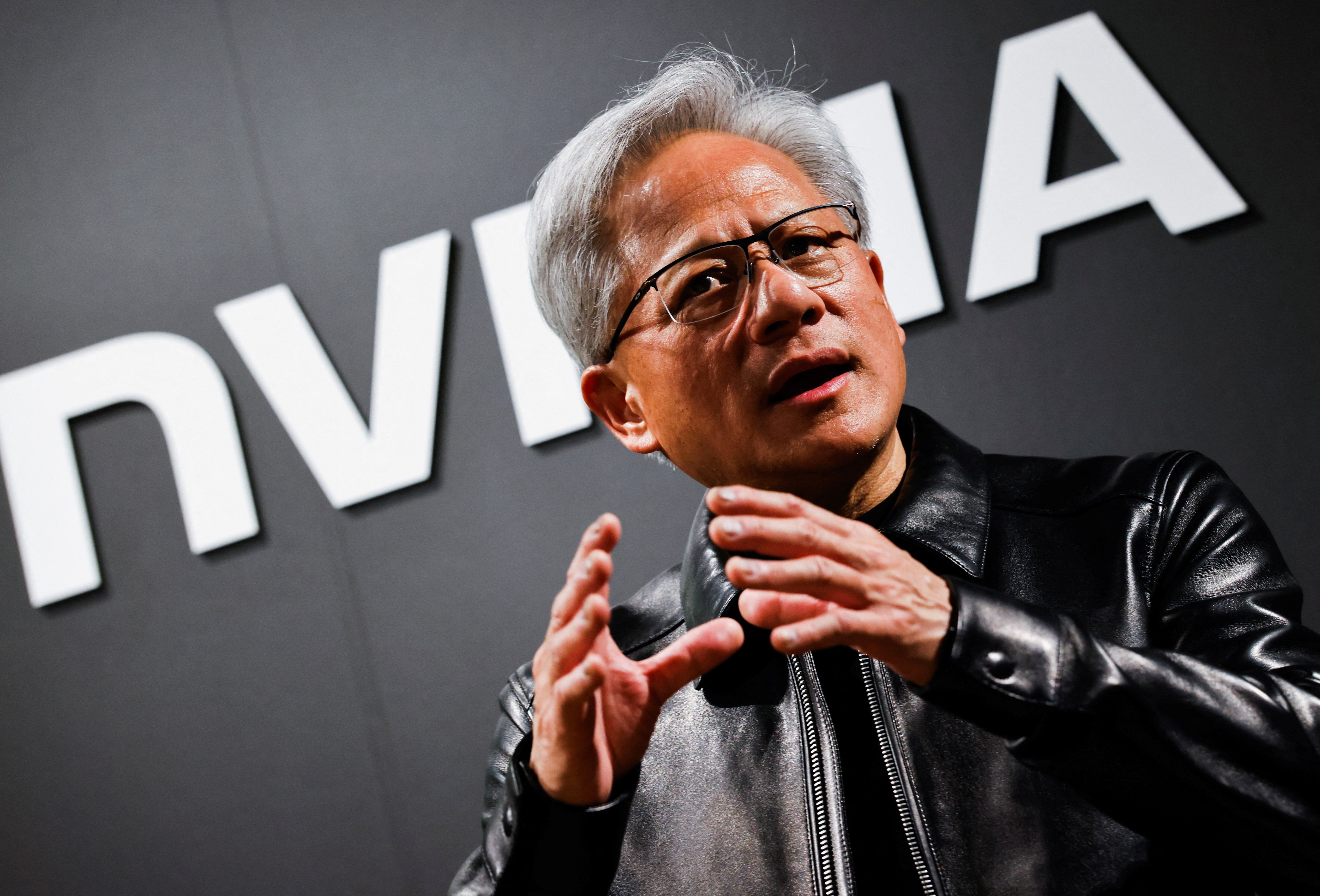
Several technology companies and cybersecurity firms are joining this initiative, including Palantir, IBM, CrowdStrike, SpaceX, and Hugging Face. Nvidia is leading this new alliance, which it calls Open Secure AI Alliance. The company claims that its goal is to make available open-source AI models, data, and resources in order to contribute to accelerating development of new security tools.
In a blog post published last Monday morning, Nvidia writes that "the right answer isn't just saying no to those who deal with defense about access to advanced open systems." Instead, solid measures of protection, clear rules against illicit use, rigorous evaluations, and swift corrective actions should be taken," the company states. Several technology companies and cybersecurity firms are joining this initiative, including Palantir, IBM, CrowdStrike, SpaceX, and Hugging Face. Per the companies, the key issue isn’t solely growth volume: quality of revenue counts, holding onto client portfolio, and sustaining net margin in upcoming quarter matters most.
Pressing signs indicate competitive pressure and demand. For now, execution commercial remains decisive: entry times, channels, and market selection could determine difference between expansion and contraction margins. Nvidia aims to provide open source AI models, data, and other resources for contributing to acceleration of new security tools.
The company urges policymakers to recognize open source AI models, control systems, and security tools as defensive assets rather than passivities in their policies on AI and cyber security. Moreover, censured Chinese light-weight open sources gain popularity over American heavy-hitting ones like OpenAI’s or Anthropic’s which mostly closed cost more usage. Washington is evaluating possible limitations on accessing Chinese open-source AI models; Secretary at Treasury Scott Bessent recently stated that administration would examine these models for potential intellectual property thefts, while later accusing Moonshot AI’s Kimi K3 of stealing US technology.
Morgan Chalfant reports.
The news that matters, every morning.
Ricevi una selezione ragionata di business, mercati e innovazione.