
BMag Signal · In 30 seconds
Critical readWhat happened. A meeting in Chapel Hill saw a consensus on the importance of AI amidst strong local opposition.
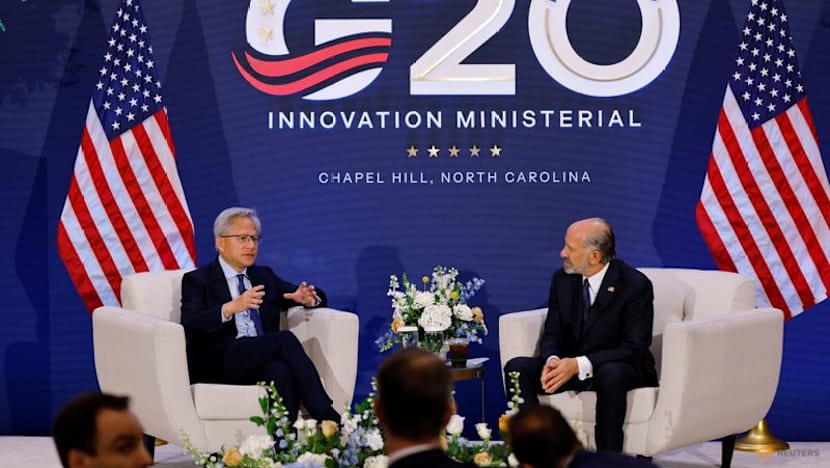
On September 2, 2026, in Chapel Hill, North Carolina, Nvidia's president, Jensen Huang, presented a unified vision for the artificial intelligence industry. During a meeting with G20 ministers, Huang defined AI as a fundamental infrastructure, comparing it to water, roads, and electricity. His statement was received with urgency, emphasizing that every nation must invest in building digital infrastructure to support its local economy.
This vision represents an attempt to align global technology strategy with national security priorities. The situation was sharply divided between international leaders and American local communities. While Huang insisted on the indispensability of infrastructure, the renewable energy sector and energy communities expressed strong resistance.
According to the company, the construction of new data centers is generating significant concerns about electricity tariffs. AI proponents criticized proposals to reduce tariffs, arguing that investment in new infrastructure is necessary to ensure a stable digital future. The political conflict intensified due to mass opposition.
At a North Carolina University event, approximately 100 to 200 protesters opposed the rapid development of AI. Huang directly responded to this opposition, warning governments not to base decisions on fears or uncertainties. His position was clear: the risk of not leveraging technology was considered more severe than the technological risk itself.
The diplomatic dynamics proved complex, with key figures interpreting priorities differently. American Secretary of State Howard Lutnick called Huang a "treasure American," while OpenAI president Sam Altman showed a more flexible stance. Altman suggested that some governments might choose to build data centers, while others would opt for leasing existing infrastructure.
This divergence of approach created fertile ground for future negotiations. The economic issue was at the center of the debate, with a specific focus on production costs. Huang specified that data is the engine driving companies toward innovation, but also hinted at a hidden cost.
The company communicated that constructing new data centers requires massive investments that might not be sustainable for local economies over the long term. This economic concern was received with attention by ministers present. The international context was characterized by a tension between technological adoption and environmental sustainability.
Huang spoke of a digital future but also hinted at the ecological implications of new infrastructure. The company communicated that the energy needed to power data centers might depend on renewable sources, but this was not guaranteed. The challenge was to find an equilibrium between technological progress and environmental responsibility.
The consequences of this divergence could be profound for global economies. If governments do not manage the risk correctly, they might see a slowdown in AI adoption. On the other hand, a too cautious approach could limit innovation and leave advanced nations behind.
The company communicated that the speed of AI development is a critical factor, but risk management is equally important. The balance will be the key to the industry's future.
The news that matters, every morning.
Ricevi una selezione ragionata di business, mercati e innovazione.