
BMag Signal · In 30 seconds
Critical readWhat happened. Milan has been selected as the primary candidate to host the headquarters of an UN agency dedicated to the governance of artificial intelligence. The event was held by the Chamber of Commerce in Italy, Assolombarda, and Conf-commercio Milano Lodi Monza Brianza. The president of the Senate, Ignazio La Russa, and the deputy secretary Alessio Butti brought the support of parliament and the government.
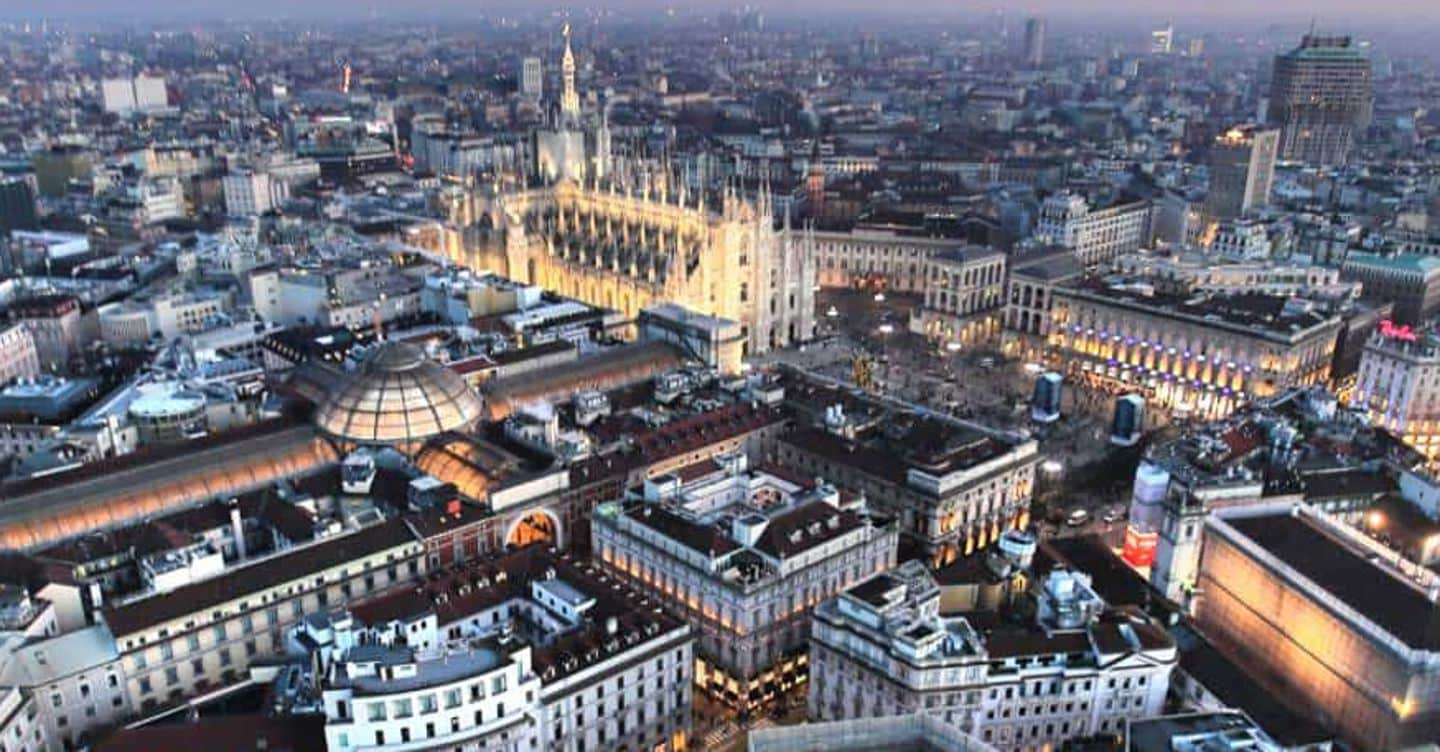
Milan has proposed a location for an UN agency focused on the governance of artificial intelligence. Lombardy has been chosen as the primary candidate to host this international agency. Milan has presented a solution designed to address the challenges posed by this technology to people and businesses.
This agency, called 'The Governance of Artificial Intelligence', will be responsible for directing the development of artificial intelligence, measuring the quality of models, and defining criteria for evaluating the impact of artificial intelligence on humans. Alvise Biffi, president of Assolombarda, highlighted that Milan is an ideal place for such an agency, with a strong industrial presence and high levels of scientific research. 'By placing a center that gives meaning to artificial intelligence in Milan, we respond to our need to tackle the importance of this technology in the workplace, production, and daily life,' Biffi said. This event transformed into unanimous support from representatives of industrial enterprises, scientific research centers, humanities, region, and commune.
The president of the Senate, Ignazio La Russa, and the deputy secretary Alessio Butti brought the support of parliament and the government. Additionally, Silvio Savarese, Chief Scientist of Salesforce AI Research and member of the independent scientific panel of the United Nations on artificial intelligence, said that after presenting the proposal to the UN, Italy's government and the European Commission will provide support. The need to give governance to artificial intelligence has never been more clear.
Big producers like Anthropic and OpenAI have indeed reported the danger of uncontrolled technological developments. Americans propose self-regulation, while Europeans prefer the approval of the UN. The cognitive capital disperses if humans delegate thinking to machines, as Giuseppe Riva, Director of the Human Technology Lab at the University of Catholic Holy Cross, pointed out. 'It is a problem for individuals, but also for businesses.
If business functions are delegated to artificial intelligence, all businesses become alike, and competitiveness risks disperse: because it is people who make the difference.' In conclusion, Milan's candidacy is seen as a significant step forward in the discussion on the challenges posed by the growth of artificial intelligence technology.
The news that matters, every morning.
Ricevi una selezione ragionata di business, mercati e innovazione.