
BMag Signal · In 30 seconds
Critical readWhat happened. Two phrases that summarize cause and effect
The American Congress has received a mission to regulate the important issue of AI, which has extended beyond technology, influencing society and work. Central data needed for its processing are often located in rural areas where energy infrastructure cannot adequately support them. This has led to problems with excessive power distribution, causing environmental and economic damage. AI developers have been accused of using machine learning methods that can be discriminatory towards minority groups. These trends have been highlighted by many recent examples, including discrimination in candidate evaluation and bias in credit decisions.
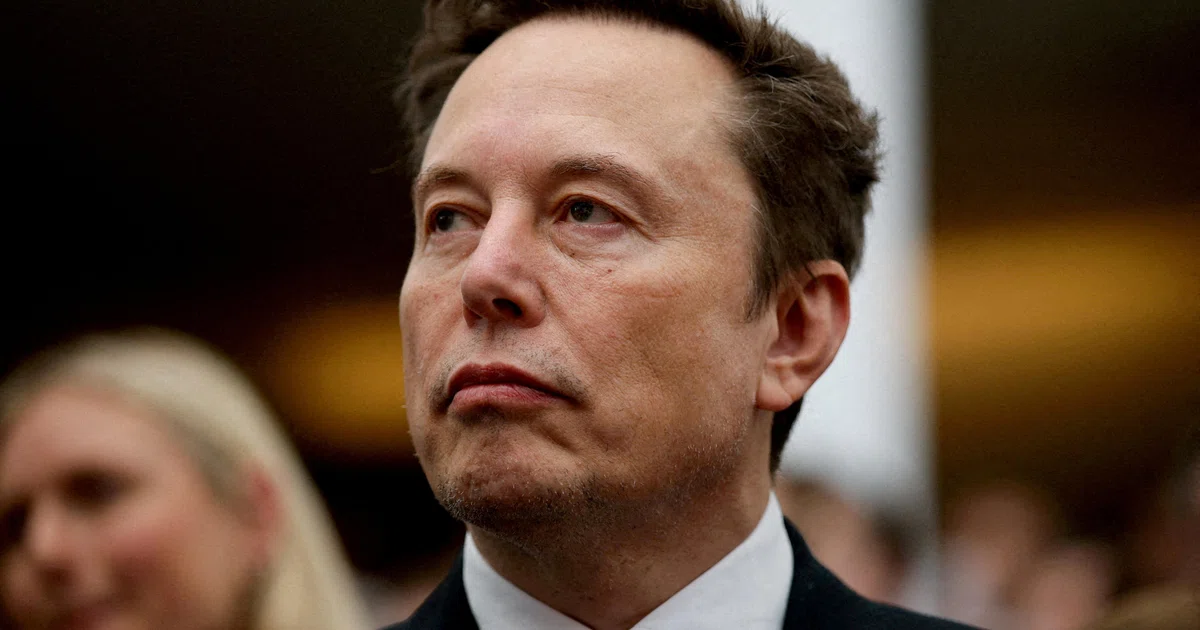
Workers who find themselves in vulnerable positions, such as young people and women, are particularly affected by risks associated with the use of AI. The issue of AI and its implications on growth opportunities and social mobility has been extensively discussed over the past few years. Statistics show a concentration of wealth and power in the technology sector, with 32.5% of net worth for the richest 1% of Americans and only 2.3% for those below the median income bracket. This phenomenon is due to the fact that large tech companies have received very little from tax revenue while consumers paid enormous percentages in taxes. The behavior of some influential leaders in the AI industry, such as Elon Musk, significantly contributed to creating an environment where public interest was not considered.
In particular, its support for conservative party campaigns has enchanted public opinion about artificial intelligence and their perception of losing control over it. Citizen attention and criticism have become increasingly focused on the effectiveness and use of AI economics. Economic growth targets are not fairly distributed among all Americans but concentrated in the hands of few. This has led to an increasing inequality situation where minorities have been exploited to achieve better economic results. The data shows that most government decisions are influenced by private interests, alongside economic powers.
The issue of AI has extended even to the workplace environment, with platforms that can have biases leading to harm young people and vulnerable individuals. These changes have clear consequences: concentration of wealth and power, loss of control over information, and discrimination based on age or social class lines. The solution may be found in effective regulation of AI, which requires responsibility from both parties: technology and society. The U. S. Congress received a mission to regulate AI, but until this responsibility is respected, there will be no significant improvements. It's time for the government to address the problem of AI and strive for better futures for everyone.
The news that matters, every morning.
Ricevi una selezione ragionata di business, mercati e innovazione.